Ferrari 250 GT Coupé Speciale by Pinin Farina
Does the name Mary Lilian Henriette Lucie Joséphine Ghislaine Baels tell you something? If you are familiar with the stories of aristocratic houses in Europe, probably. For all other readers, we would like to explain this little background story. The lady with the long name was the daughter of Henri Baels, later Minister of Agriculture and Governor of West Flanders, and was born on November 28, 1916, in London. As a 20-year-old she met the still young King of Belgium, Leopold III, who had been a widower since a self-inflicted car accident the year before. After some time of critical consideration by the public, the meetings of the bourgeois young woman and the King led to marriage in 1941 and the birth of their first child a year later. Lilian Baels became the Princess of Belgium and Princess of Réthy by this marriage, but not the new Queen of Belgium. As a result, her children were also princes and princesses, but were excluded from the throne. The attitude towards the capitulation of Belgium in World War 2 further deteriorated the reputation of King Leopold III, while his wife never managed to convince the people in Belgium. After the war, both were only allowed to return home from exile after a referendum and soon after, Leopold III handed over the crown to his son from first marriage, Baudouin.
But why do we report about the history of the Belgian royal family in our classic car magazine? Quite simple: The former King Leopold III was a great sports cars fan all his life, despite the serious accident in which he lost his first wife. Especially Ferrari was a brand he desired very much. Thanks to his family wealth, he was able to afford more than the average customer. It all started in 1953 with a 342 America (chassisnumber 0234AL) with Pinin Farina bodywork, followed two years later by the last-built 375 Plus (chassis 0488AM), which was the only car of the small series to be fitted with a convertible bodywork by Pinin Farina. Enzo Ferrari wrote in his book ‘My Great Joys’ about Leopold III: “He seemed to me to be a man who would have made a good engineer, a man gifted in technique and who bitterly regretted not ever having been able to follow his inclination. At the wheel, I found him courageous and able to confront danger with resolution and skill.”
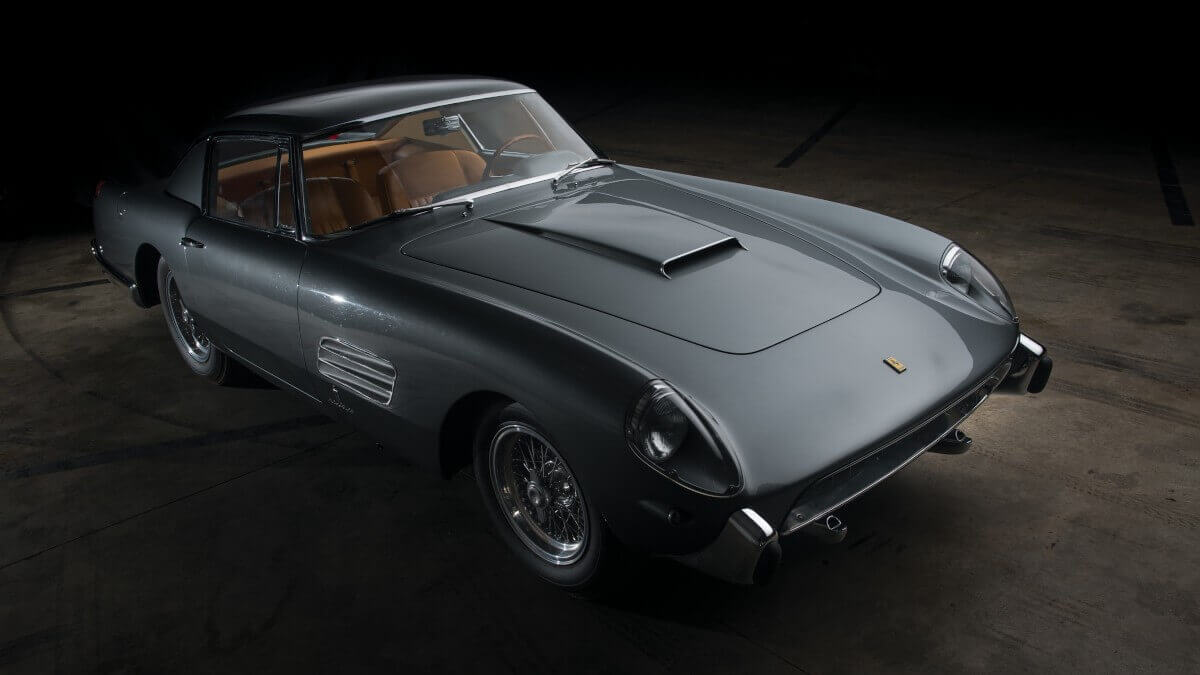


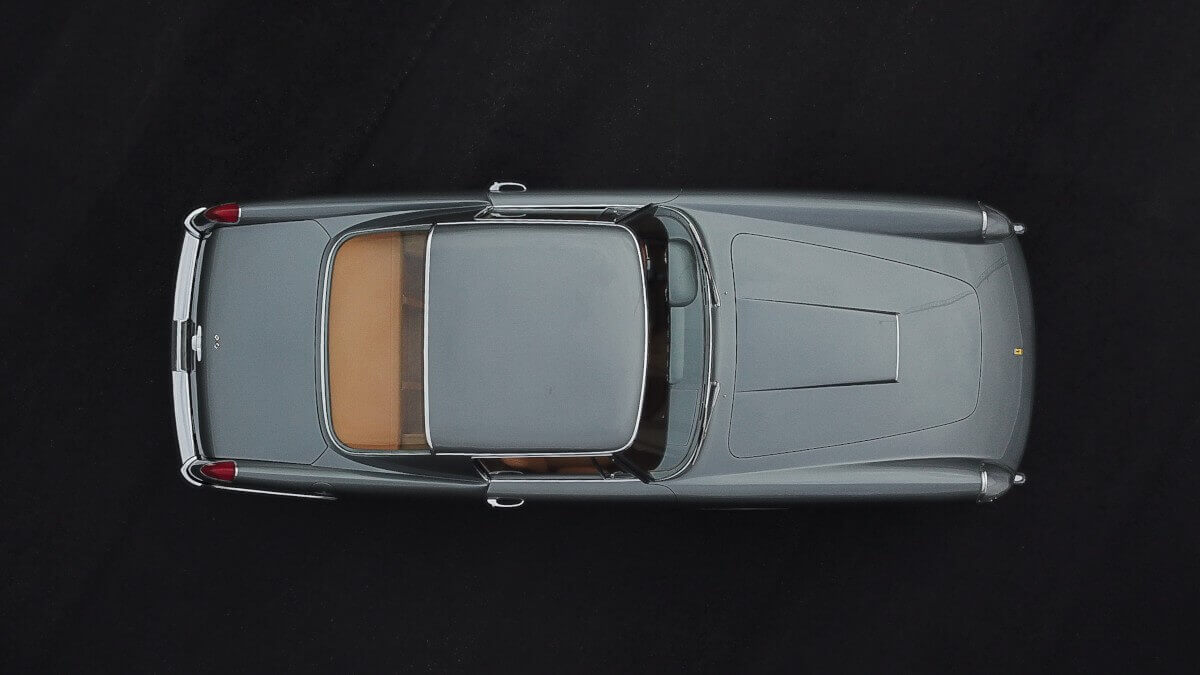




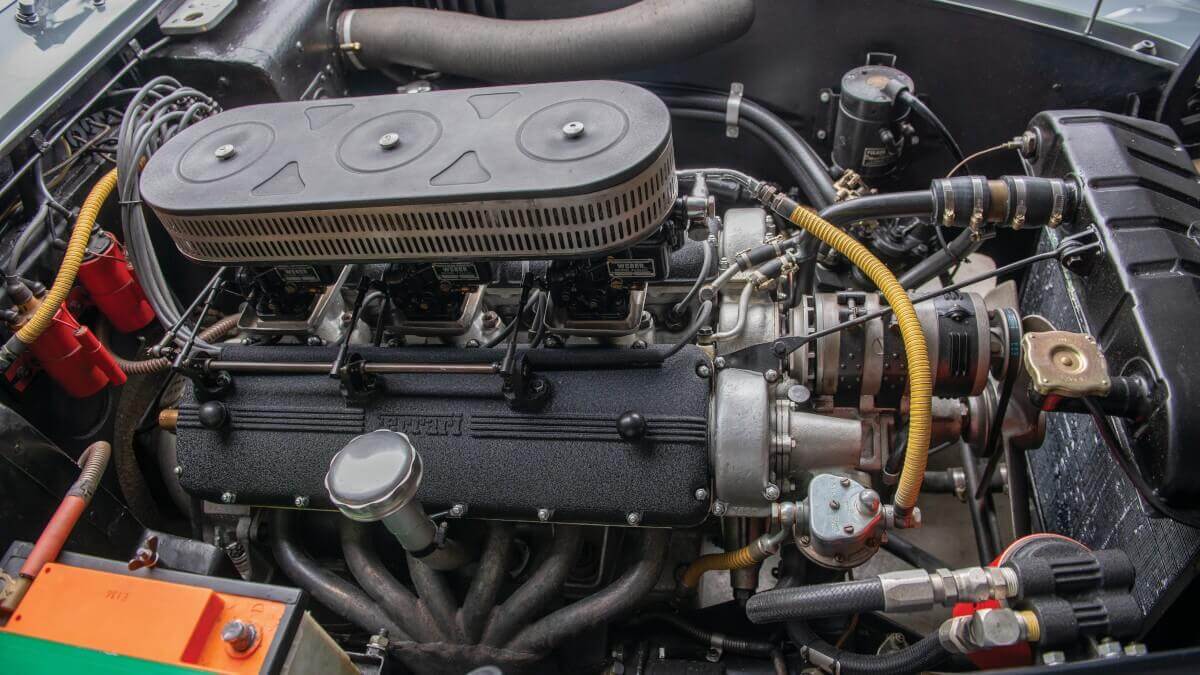
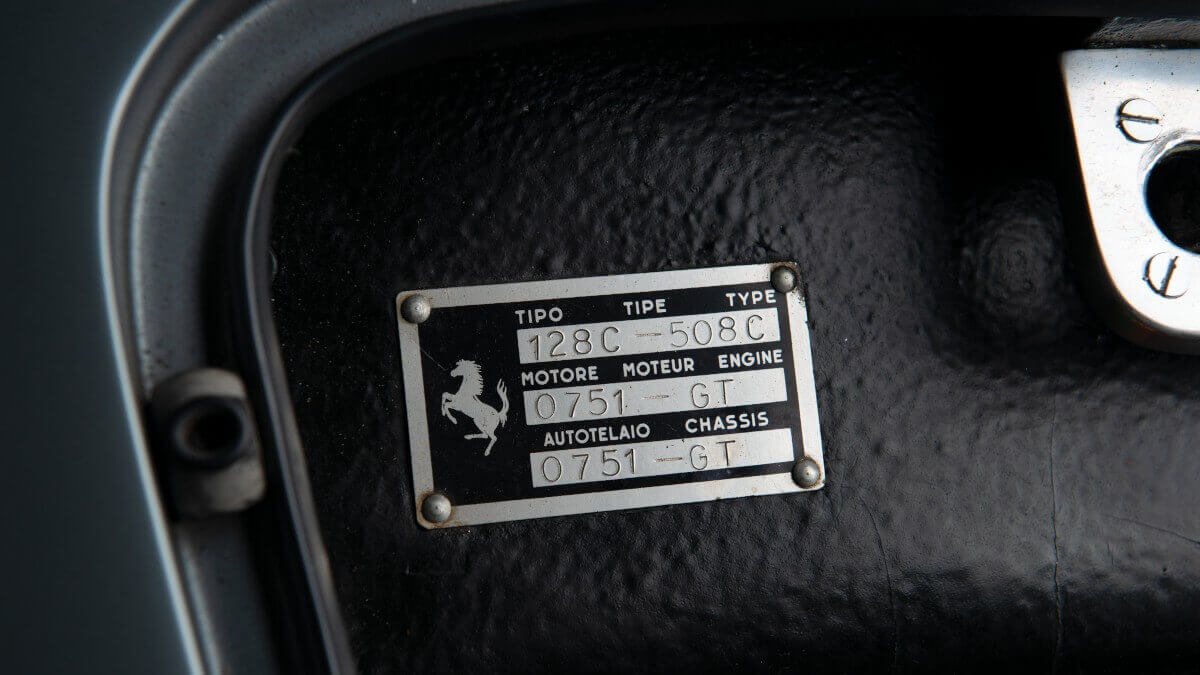

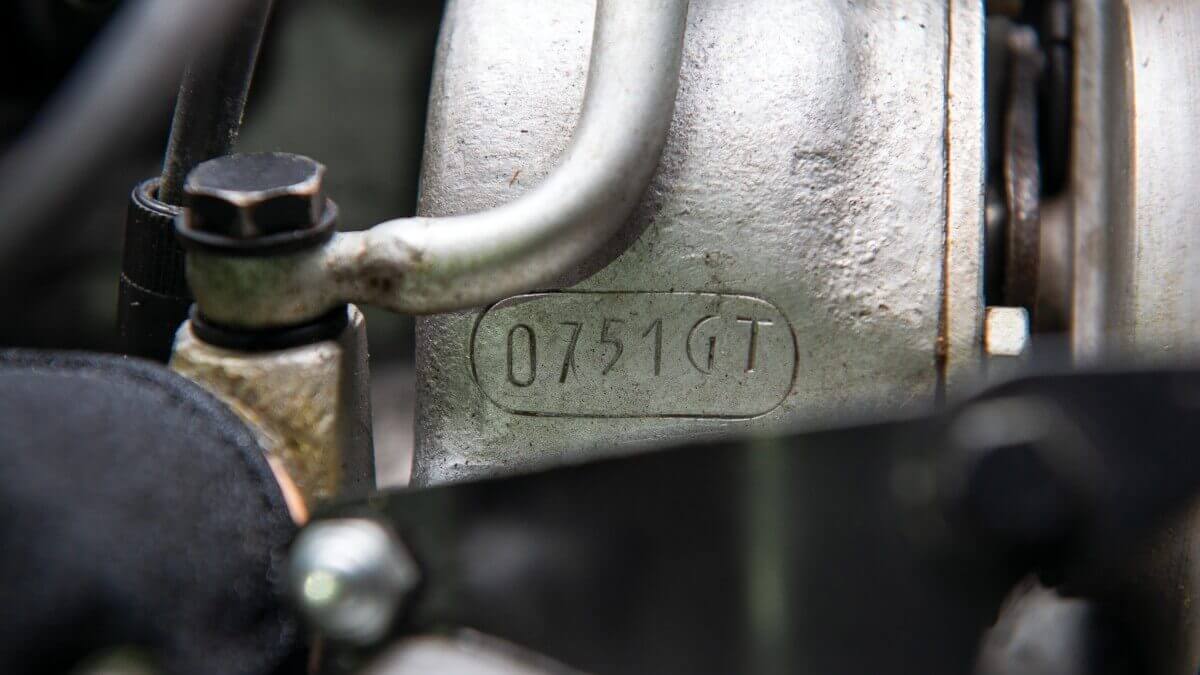
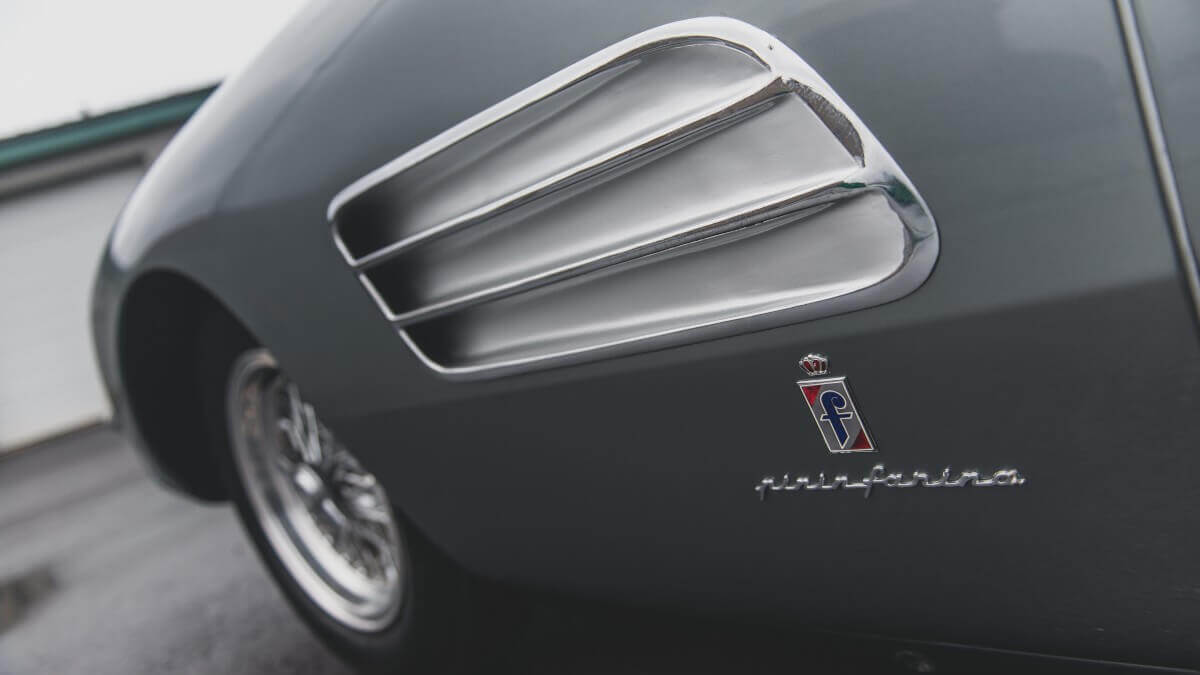


Also to the Princess of Réthy Ferrari maintained close contacts. So Enzo described to her in the course of the racing season 1955, that Pirelli wanted to withdraw as a tire supplier immediately. She just called the Belgian tire manufacturer Englebert (part of the Continental Group since 1979) and they started to deliver tires to Ferrari within the same night. In order to be grateful for this quick help, she was offered the unique opportunity to receive a coachwork body when ordering a new Ferrari 250 GT as a replacement for her 250 Europa GT with Vignale bodywork. Normally all Coupés of that time (1956) received a Boano body, but for the Princess a chassis with number 0751GT was sent to Pinin Farina. All in all, the famous design house produced only three Speciale Coupés during this period, of which the second rolled to Belgium. Visually, it incorporated details of the racing versions like the 250 GT TdF, but also from the 250 GT California Spyder and the later, at this point unknown 250 GT Pininfarina Coupé, that would arrive a year later.
It took until January 1958, before the 250 GT Speciale Coupé by Pinin Farina, painted in Grigio Fumo and upholstered with natural Connolly Vaumol leather, was finished and arrived at the home of the pair in Waterloo/Belgium. They drove the car on diplomatic plates for the next ten years. Then they ordered a new Ferrari 330 GTC with coachbuild body and the Princess gave the 250 to Dr Ernest DeBakey (brother of Dr Michael DeBakey), a surgeon from the USA who later became famous for surgery on the Shah of Persia. He tried to politely refuse the gift, but found a bill of lading in his mailbox when he returned home and finally took delivery of the car in late 1967 at the port of New Orleans. Just one year later he sold the sports car to his colleague Dr John Ochsner, who installed disc-brakes all around with 15-inch wheels.
In 1970, the well-known collector and dealer Kirk White from Philadelphia bought 0751GT and sold it to John Delamater in Indianapolis. After being owned by Ken Hutchingson in Tower Lake/Illinois for a while, Delamater bought it back and began a restoration together with Alan Powell of Michawaka/Indiana. During these works, the unpainted bodywork and parts went to Norman Silver, the founder of Silver Craft Furniture, in 1973. He sold the project one year later back to Alan Powell, who sold it to John Wilson Clinard, an executive at the Ford Motor Company from Farmington Hills/Michigan, three years later. Now the 250 GT Speciale Coupé finally got a new coat of paint, but in Ferrari-typically Rosso. Next to that the car got new beige leather and the technical components got a rebuild. He also provided a vehicle documentation with details of all previous owners. It was not until 1984 that he sold the car to John Carnack in Carmel/California, who passed it on to Anthony Wang in New York in 1991. From 1996 it was part of the collection of Gregory Noblet and a year later Philippe Lancksweert, the former partner of Jacques Swaters, the Belgium Ferrari importer, bought it and commissioned a comprehensive restoration including a repaint in its original grey and again new beige leather at Autofficina SAURO in Bologna/Italy. After this work and some presentations of this special car at Ferrari events in Europe, Todd Morici from Clifton/New Jersey bought the car and sold it to the current owner in 1998. The unique sports car is now ready for sale for the first time in 20 years and is expected to change hands at the RM Sotheby’s auction in Arizona on January 17, 2019. The experts expect a hammer price in the range between 11 and 13 million US$.
Images: RM Sotheby’s, Darin Schnabel