The M3 after the M3
Le Mans, just before midnight.
The air smells of gasoline, brake dust, and that peculiar mix of euphoria and exhaustion that only a 24-hour race can produce. On the Hunaudières straight, the prototypes vanish into the darkness, their taillights becoming red dots on the horizon. For decades, this place has been a stage for internal combustion engines, for mechanical power, for machines that loudly assert their right to exist. It is right here that BMW is showcasing the future of the M3.
Or at least what is supposed to become an M3.
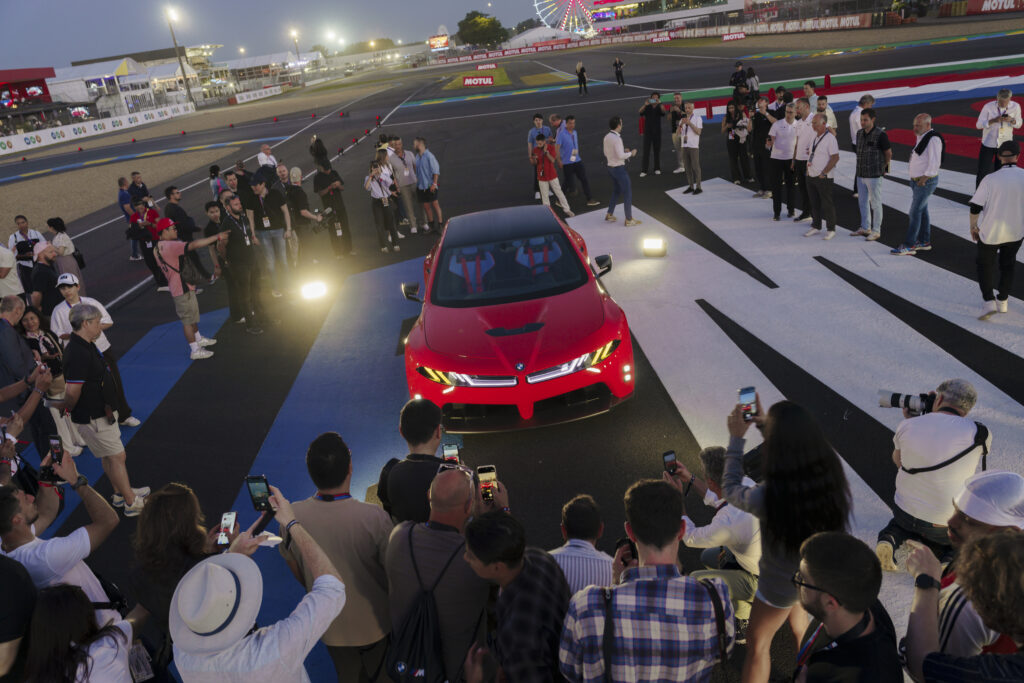
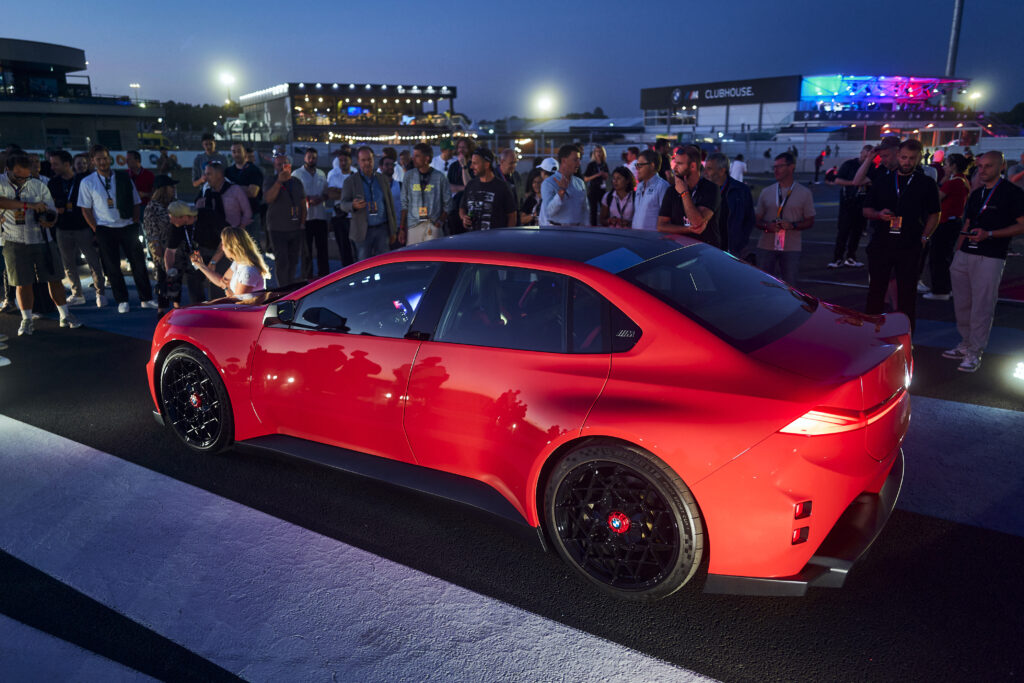
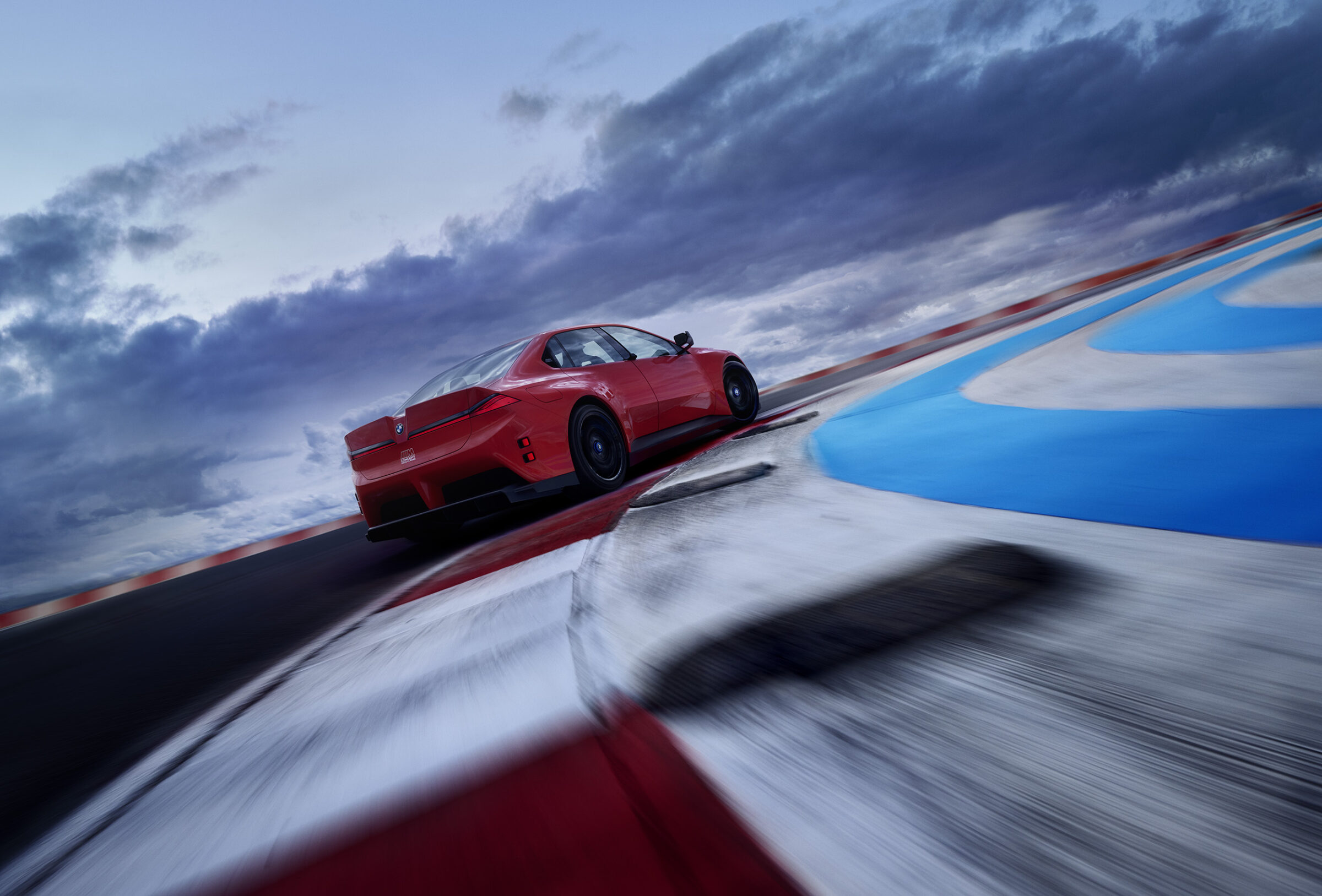
The new BMW M Concept Neue Klasse didn’t make its world debut at a sterile trade show booth, at a design week, or surrounded by influencers and LED screens. BMW brought the car to Le Mans. This is no coincidence. The message behind it is unmistakable: M GmbH’s electric future should not be seen as a technological necessity, but as a continuation of a motorsports tradition.
However, whether this will work is not something BMW alone will decide.
After all, hardly any other vehicle within the brand carries more emotional weight on its shoulders than the M3. Ever since the E30, the model name has stood for a very specific concept. A relatively compact car. Four doors or two. An engine in front of the driver. Rear-wheel drive. Precision over excess. Even the most powerful generations never felt like status symbols for the highway, but rather like tools for people who actually enjoy driving. The new electric M3 will challenge much of that.
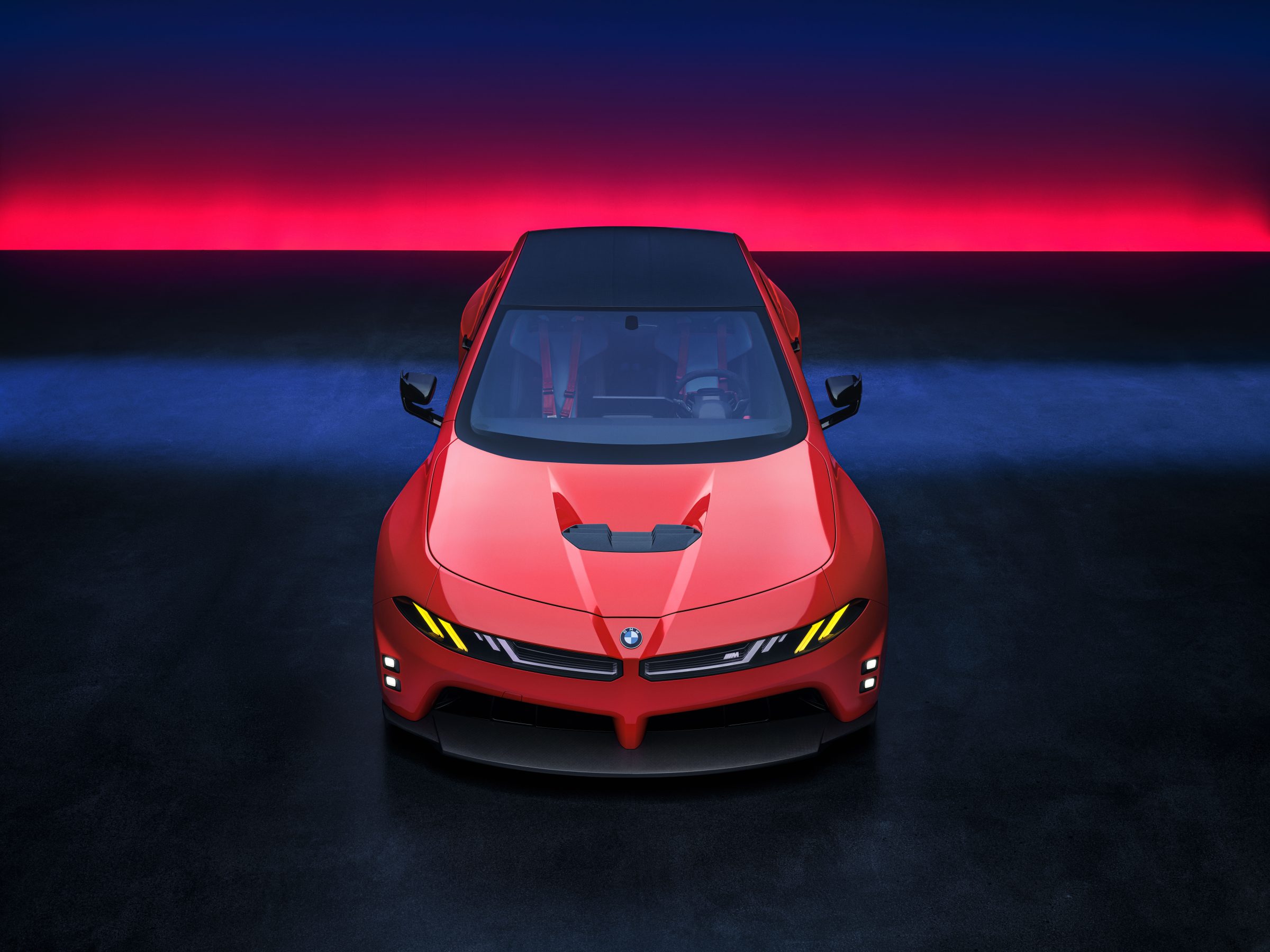
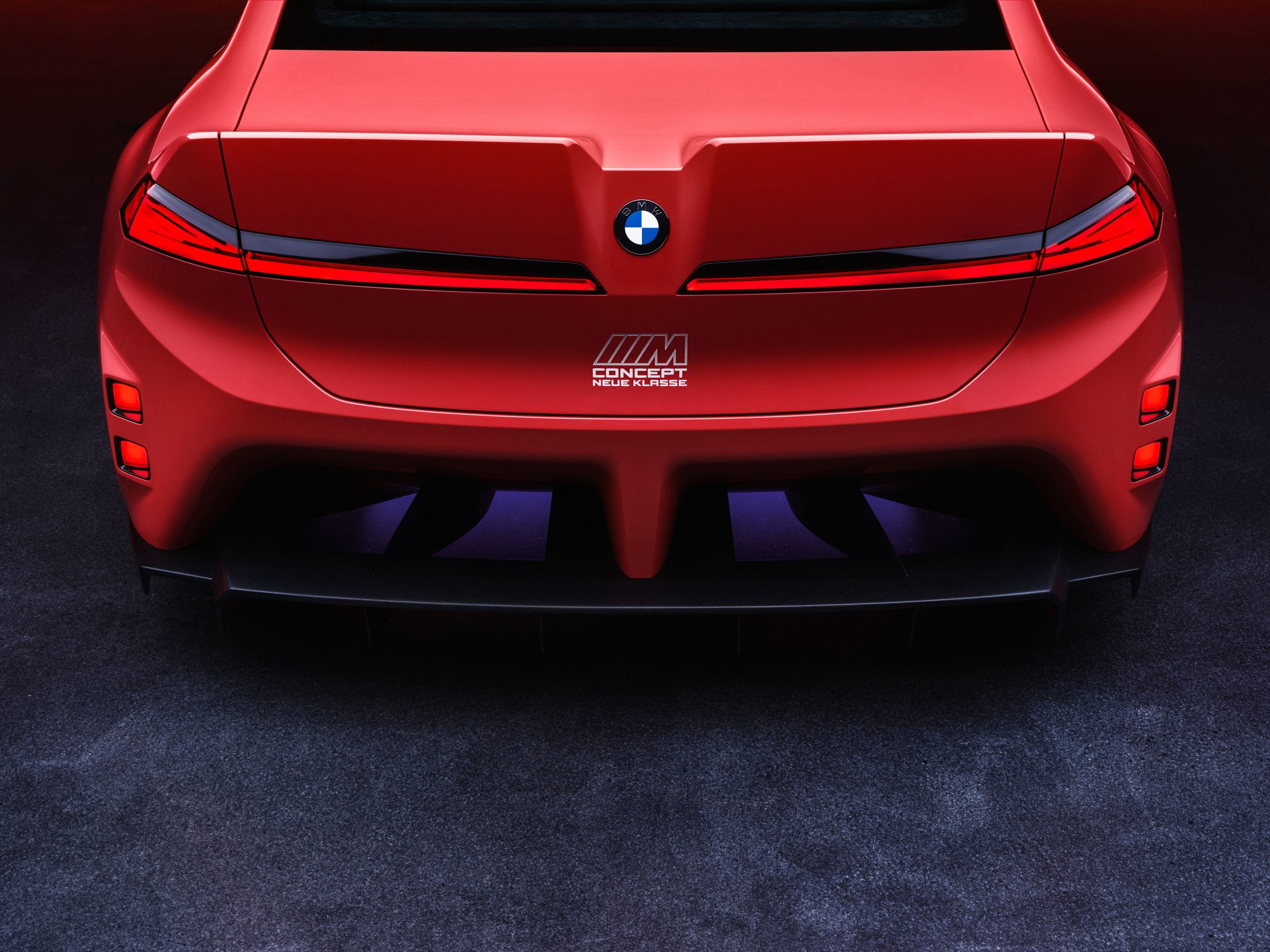
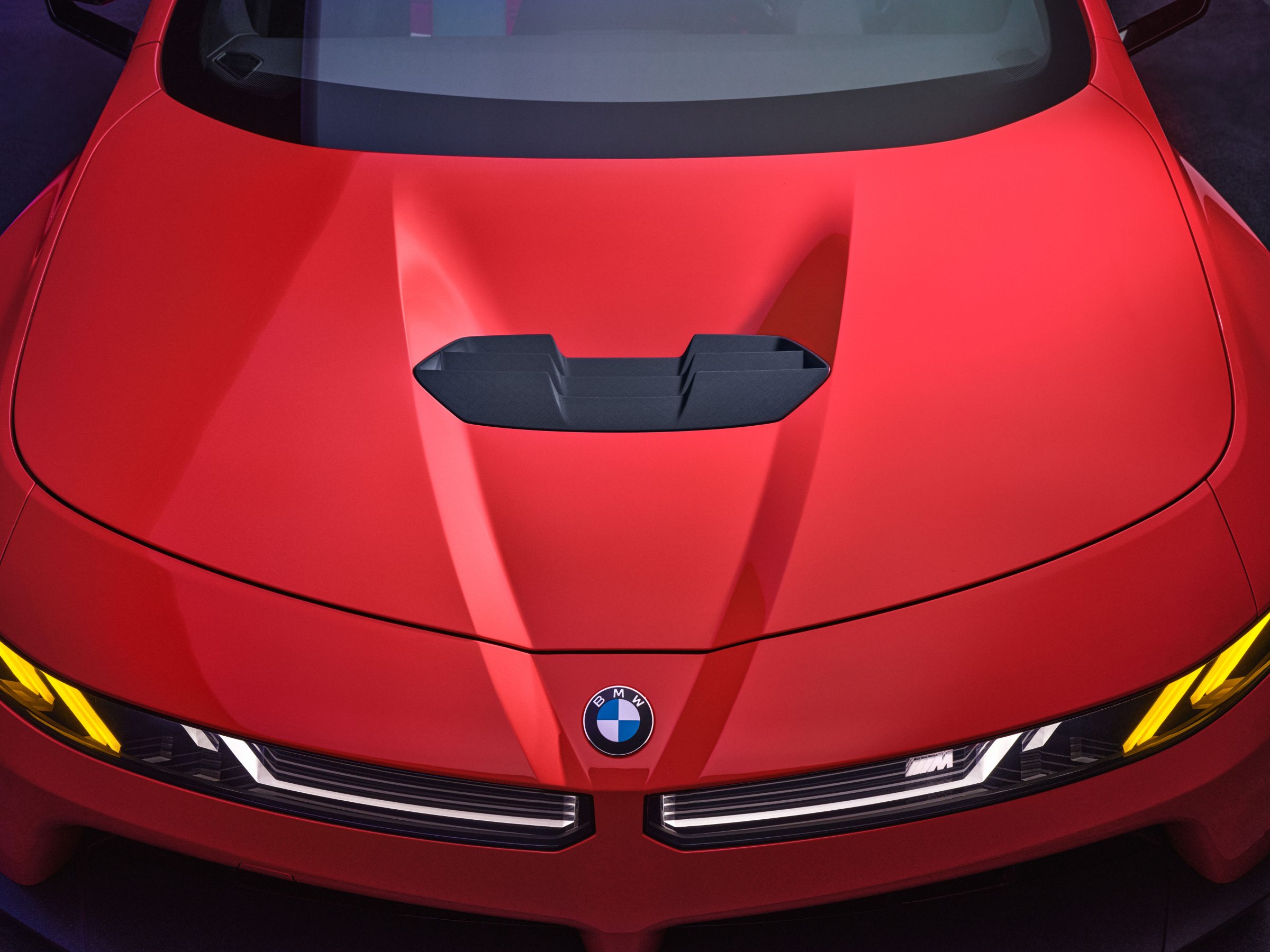
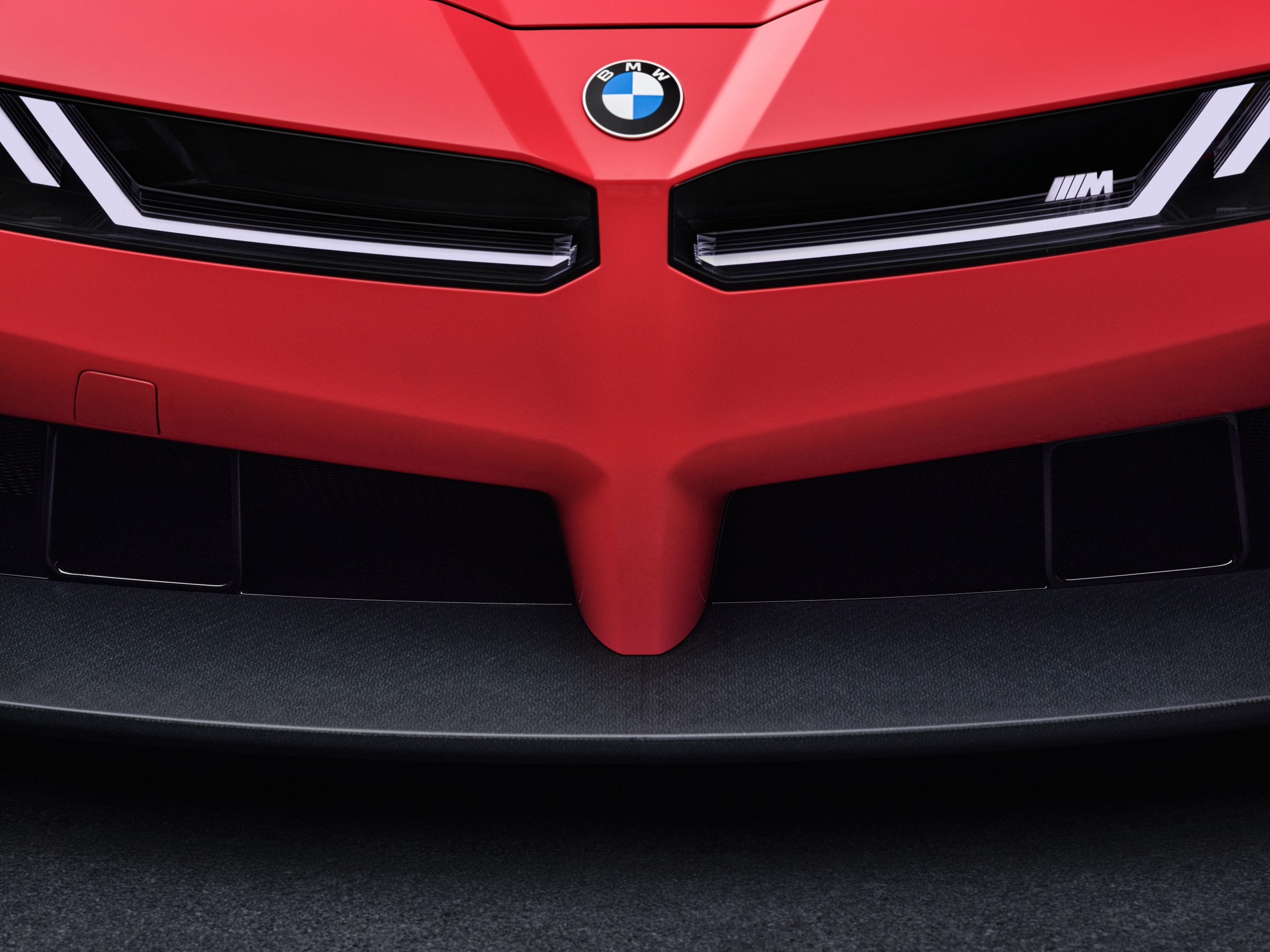
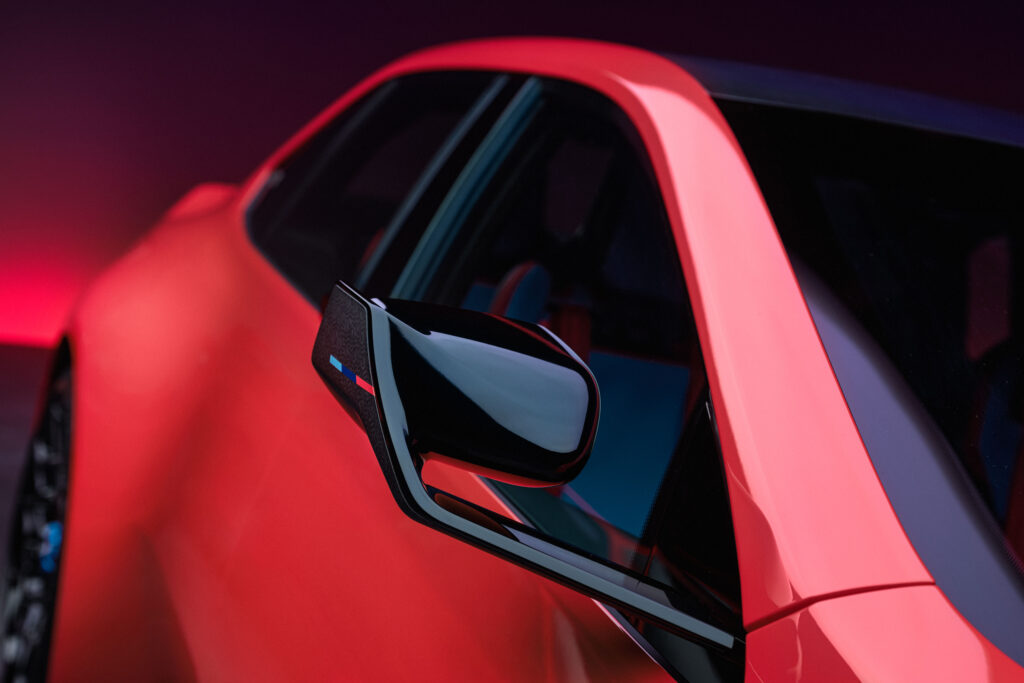
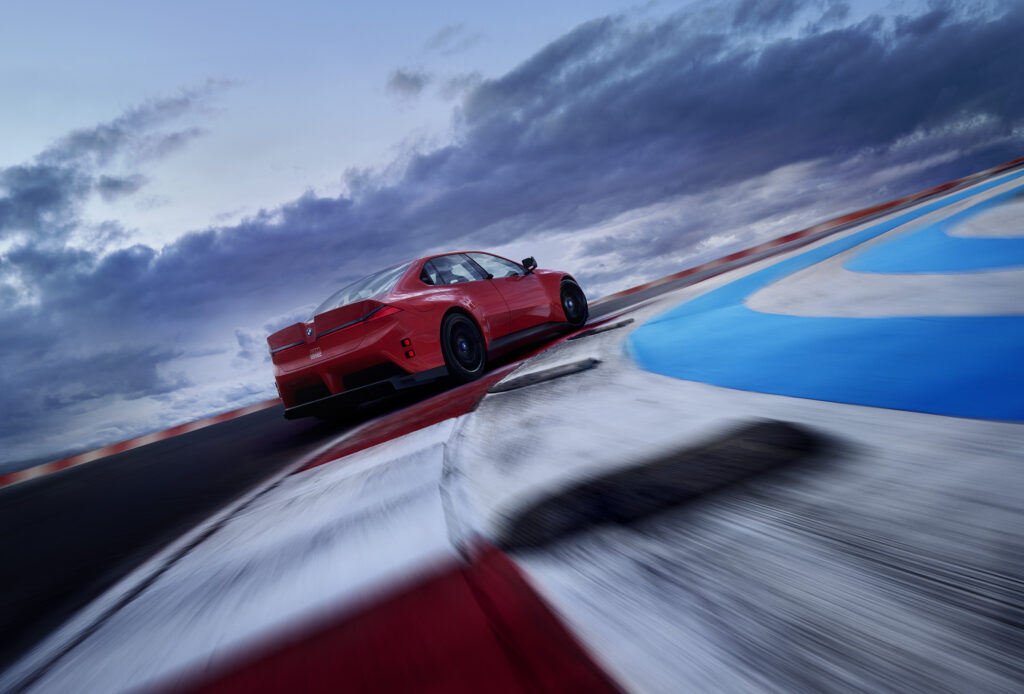
Even the concept car makes no secret of it. Wide fenders, massive air intakes, an aggressive front splitter, and a design language that looks more at home on the racetrack than on a business trip. BMW refers to it as a new design language for the electric M future. Form follows function, as the saying goes.
What is particularly interesting here is how heavily the designers draw on the past, even as they make a radical break with it. The yellow front lights are reminiscent of GT race cars and the BMW M Hybrid V8. The center-lock wheels pay homage to motorsports. Even the proportions feel like a modern interpretation of classic sports sedans. And yet, beneath the bodywork lies something entirely new.
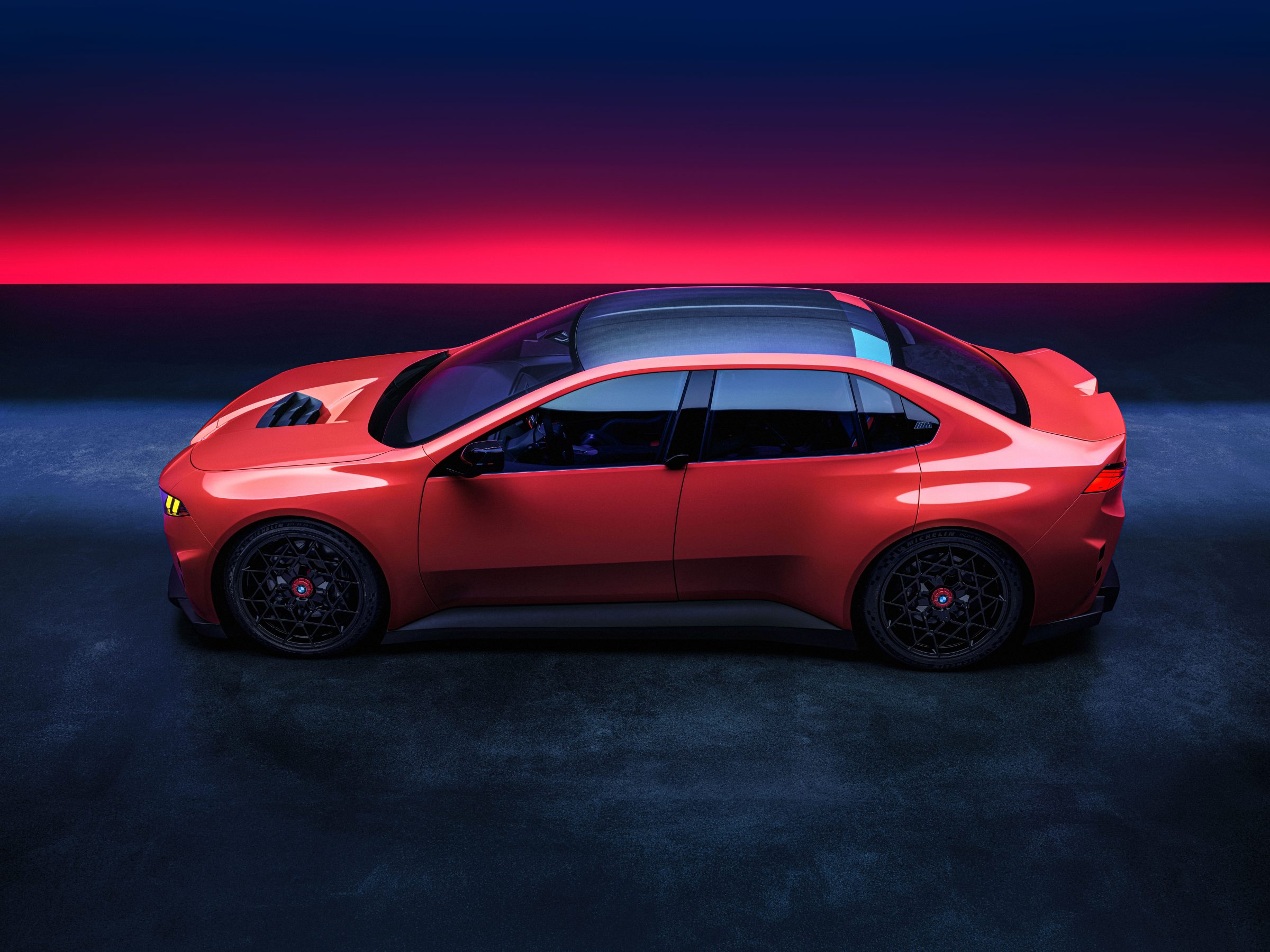
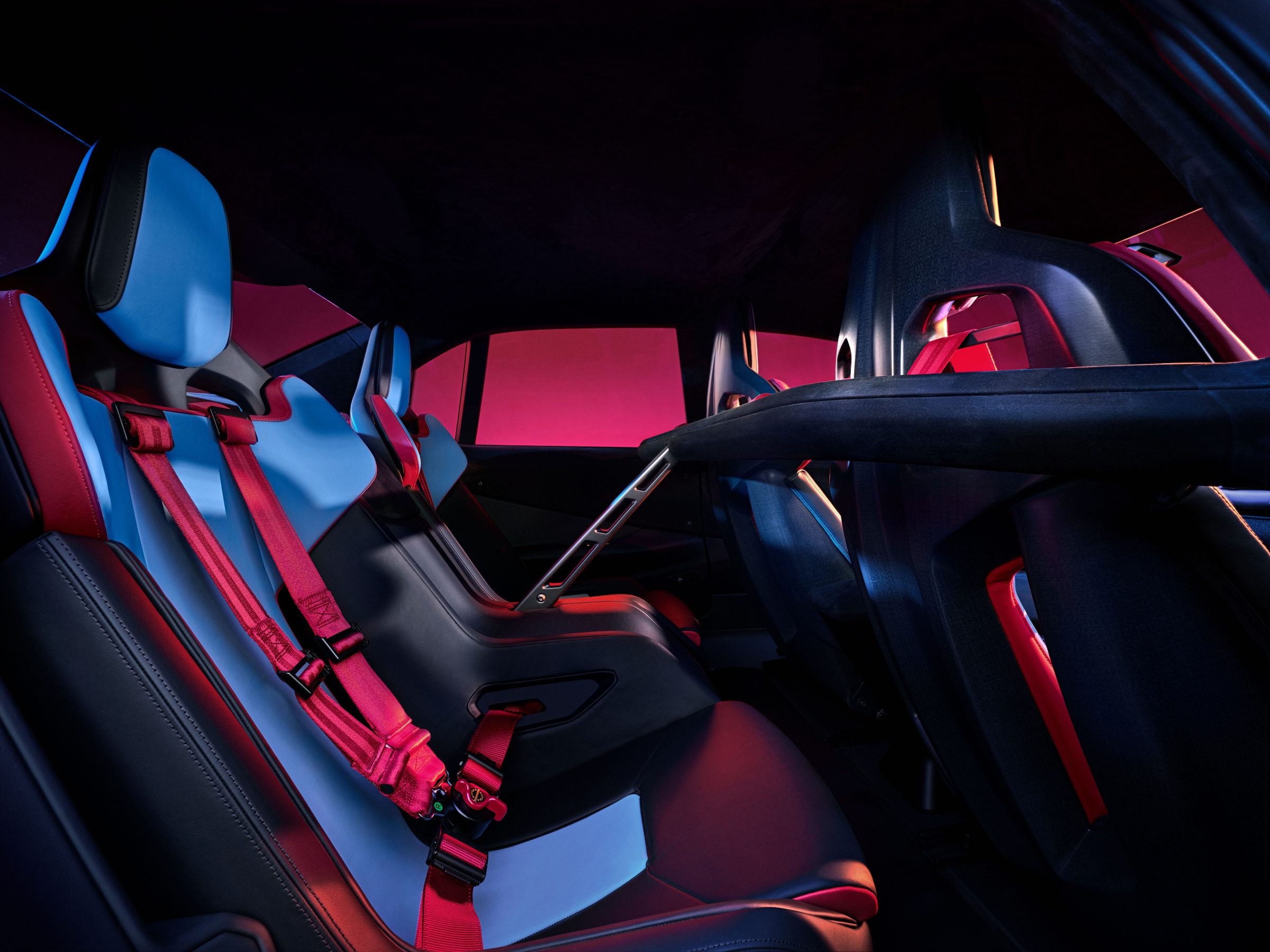
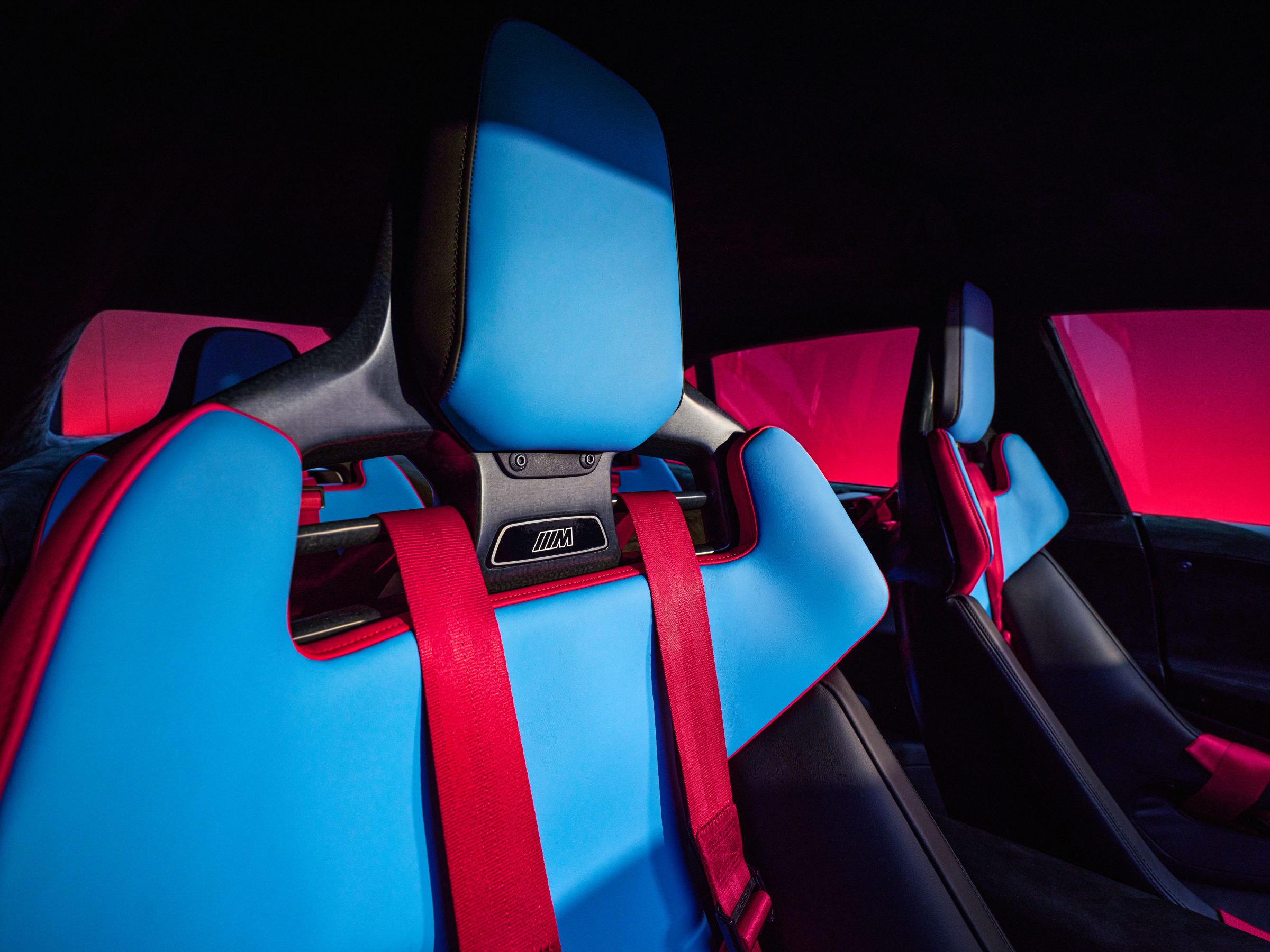
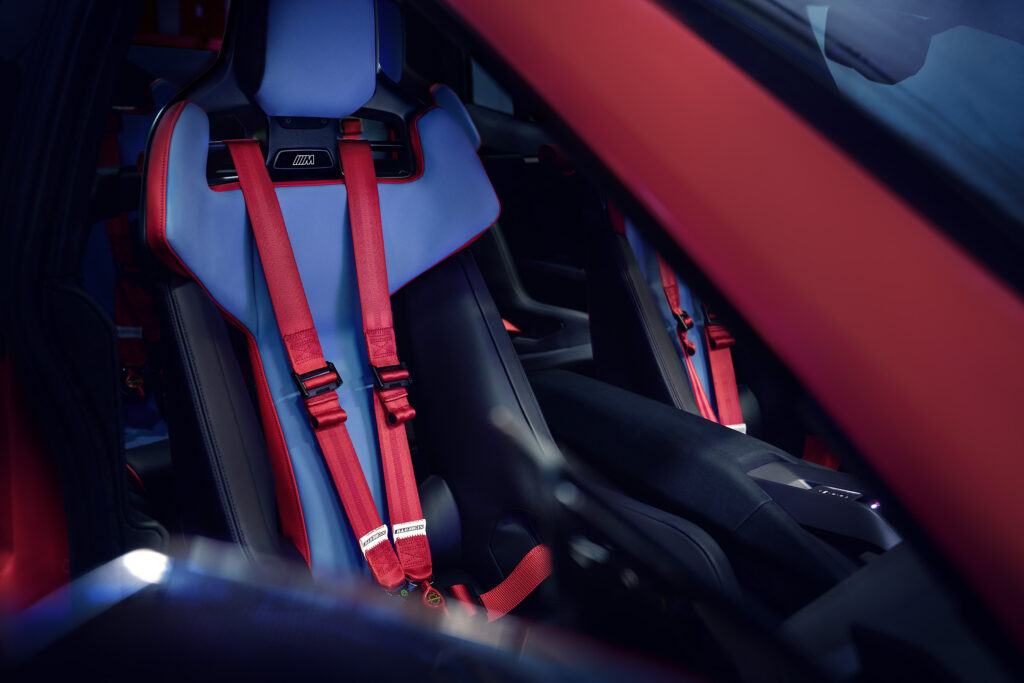
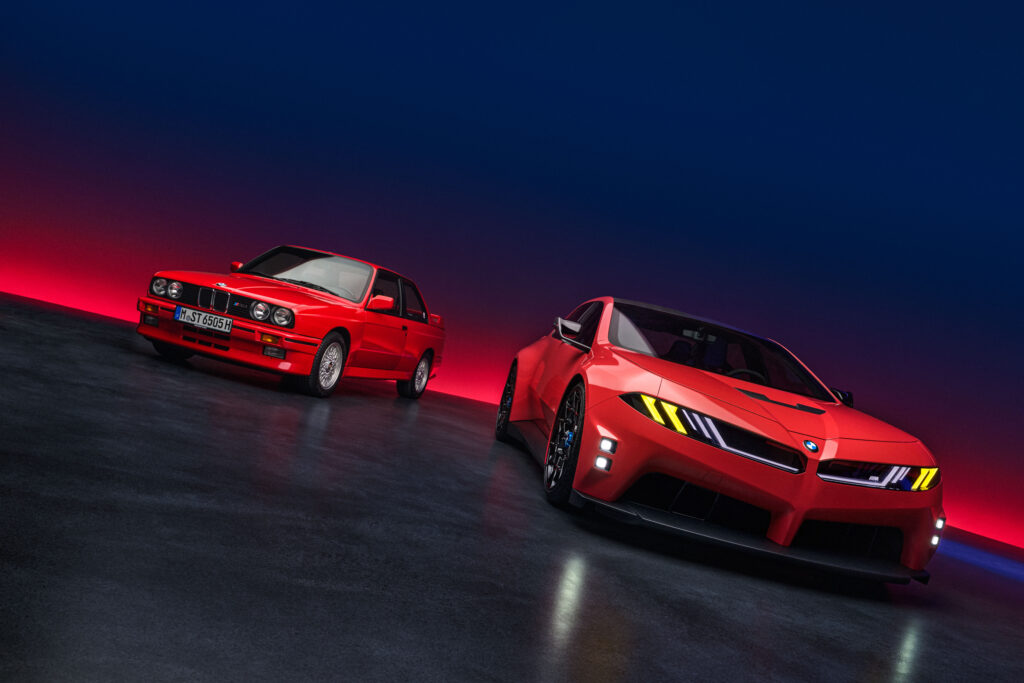
In the future, four electric motors will distribute power individually to each wheel. BMW promises a new dimension of dynamism, precision, and speed control. The technology behind this is called M eDrive and is coordinated by a central driving dynamics control unit. At first glance, this sounds like marketing jargon. At the same time, this is likely where the real revolution lies.
For decades, engineers have been striving to find the perfect balance between performance and controllability. Limited-slip differentials have become smarter, suspensions more complex, and control systems faster. The electric M3 could take this concept to its logical conclusion. No longer a single drive for two wheels. No longer two motors for two axles. Instead, complete control over every single wheel. The question, however, is not how fast an electric M3 is. The question is whether it still feels like an M3.
This is exactly where the real discussion begins.
After all, the history of the M3 has never been the story of the most powerful BMW. There have always been larger models for that: the M5, the M6, or, later, the heavy SUVs from M GmbH. The M3 thrived on its immediacy—on that feeling that as little electronics as possible stand between the driver and the machine. Now BMW is presenting a car whose capabilities are largely determined by software. One might see this as a contradiction. But one could also argue that BMW has always worked exactly this way.
Of course, the original E30 M3 was never a nostalgic product in its day. It was high–tech. The E46 M3 brought a high–revving concept to the road that was directly inspired by motorsports. The E92 introduced a V8, even though purists loved the inline–six. Each generation was initially met with skepticism. Many went on to become legends.
Perhaps that is the real lesson to be learned from four decades of M3 history. It is not the technology that defines the car, but the way it is used.
No one knows the final performance figures yet. There’s no Nordschleife lap time yet. No one knows yet how heavy the production car will actually be. The only thing that seems certain is that BMW does not view the electric future as a mere formality. The concept car appears too self-assured, too uncompromising, and too provocative for that. The first electric M3 could never be a quiet transition. The model name is too significant for that. Too many memories are tied to it. That’s why Le Mans was the right place.
Amid the world’s loudest race cars, BMW unveiled a car that, at first glance, seems like an attack on its own heritage. Perhaps in a few years it will turn out that it was, in fact, a logical continuation of that heritage.
Photos: BMW M