The lost dream is back – Audi Nuvolari
There are those rare moments at an auto show when you stand in front of a concept car and immediately know that it’s more than just a design exercise for the showroom. That’s exactly how I felt last year at the IAA in Munich. Amid a multitude of concept cars, visions of the future, and promises of electric vehicles, I stood in front of the Audi Concept C and was surprised by just how much this car fascinated me. Not because of its performance specs or futuristic technology. But because it seemed as though someone at Audi had finally found the courage once again to design a true dream car.
While many concept cars fade into obscurity just a few months after their debut, this car seemed to tell a different story. Its dramatic proportions, uncompromising mid-engine layout, and commanding presence made it seem surprisingly close to production-ready. Even back then, it was clear that this was much more than just a crowd-pleaser for the show floor.
Now it’s clear: My impression was correct.
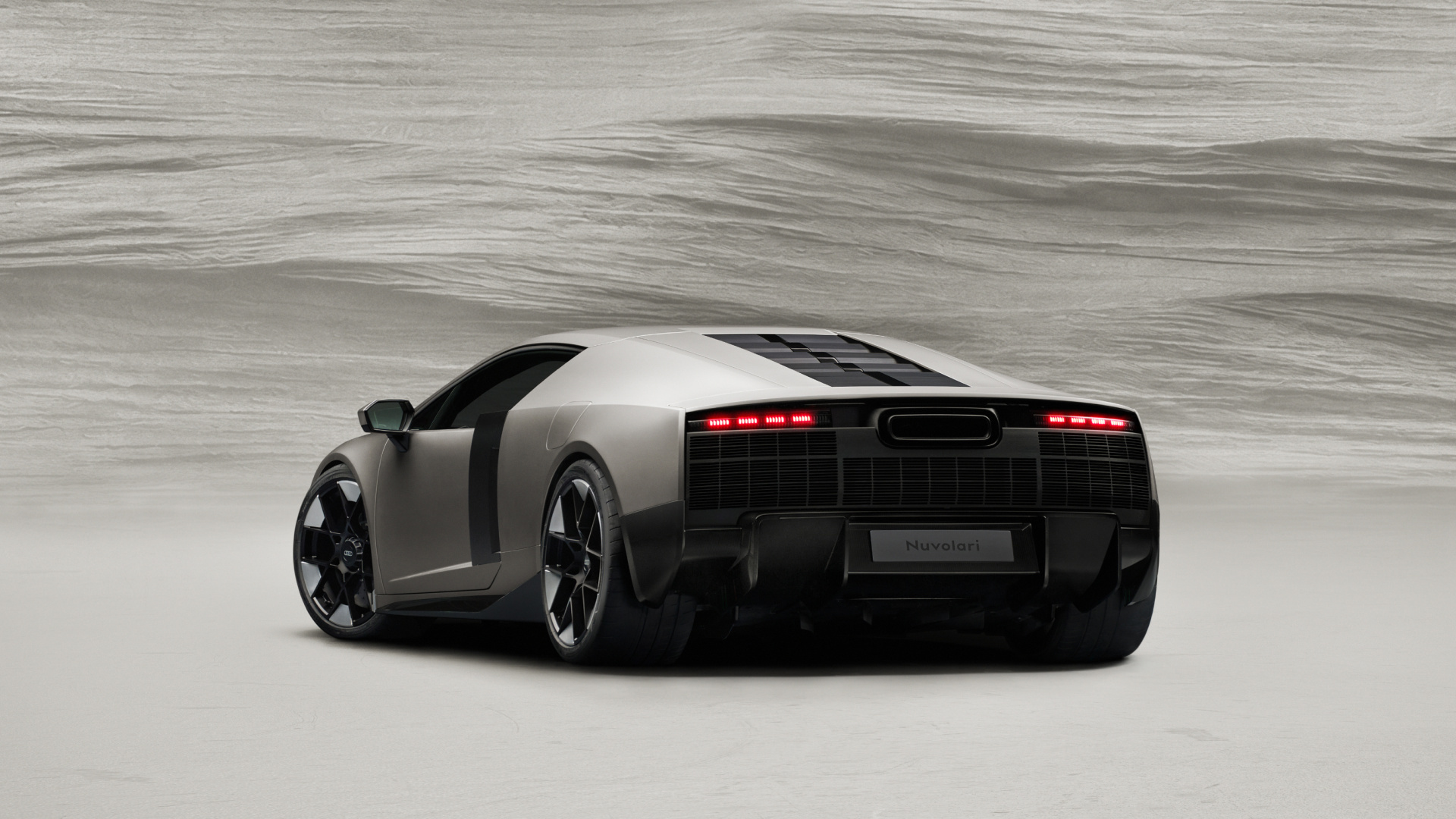
With the new Audi Nuvolari, the Ingolstadt-based automaker is unveiling its first supercar of a new generation—and, at the same time, one of the most ambitious vehicles in the brand’s history. The concept car unveiled in Munich is becoming a reality—and virtually unchanged.
The name alone says it all. To this day, Tazio Nuvolari remains one of motorsport’s greatest legends. More than almost anyone else, the Italian embodied courage, determination, and an almost boundless passion for speed—qualities that Audi has deliberately sought to embody in its new flagship model.
The technical specifications are equally spectacular. A system output of 1,001 hp is generated by the combination of a 4.0-liter twin-turbo V8 engine and three axial-flow electric motors. It accelerates from 0 to 100 km/h in 2.6 seconds and reaches 200 km/h in just 6.8 seconds. The top speed exceeds 350 km/h.

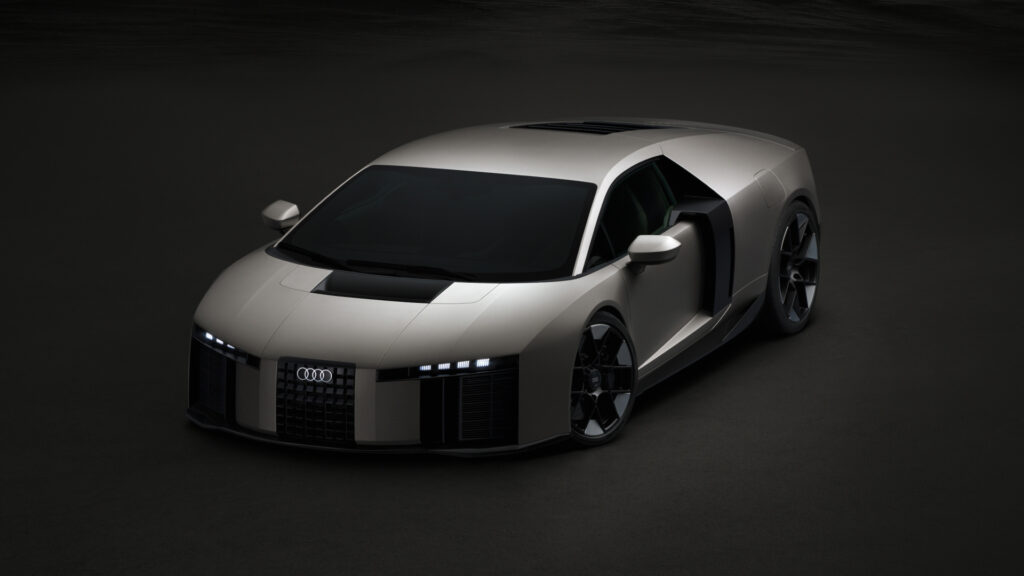
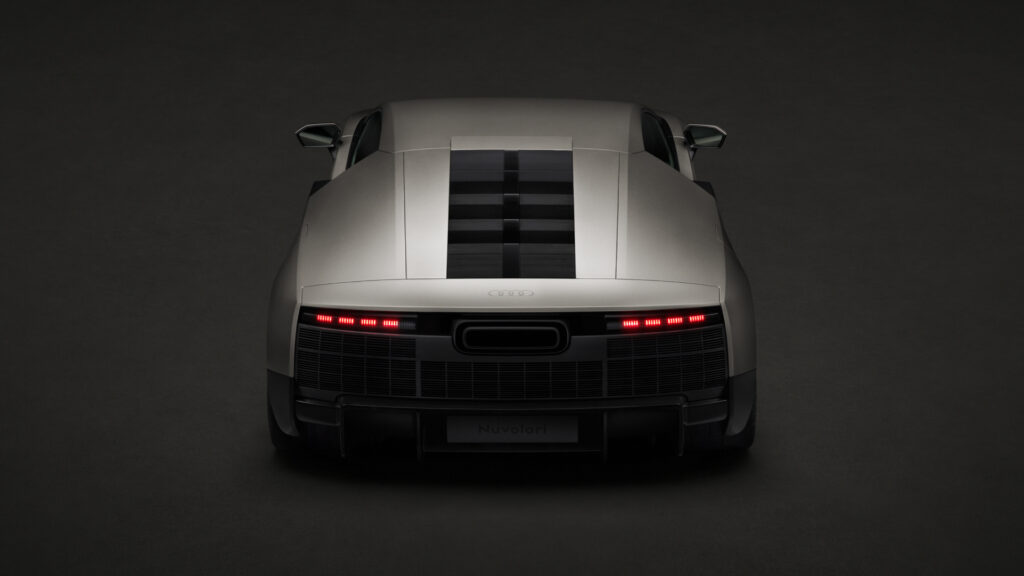
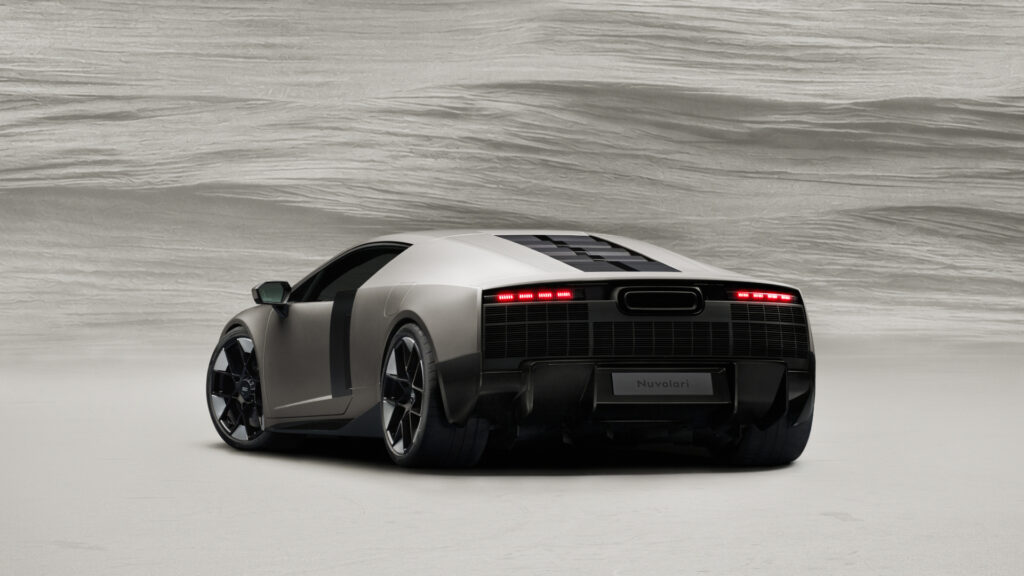
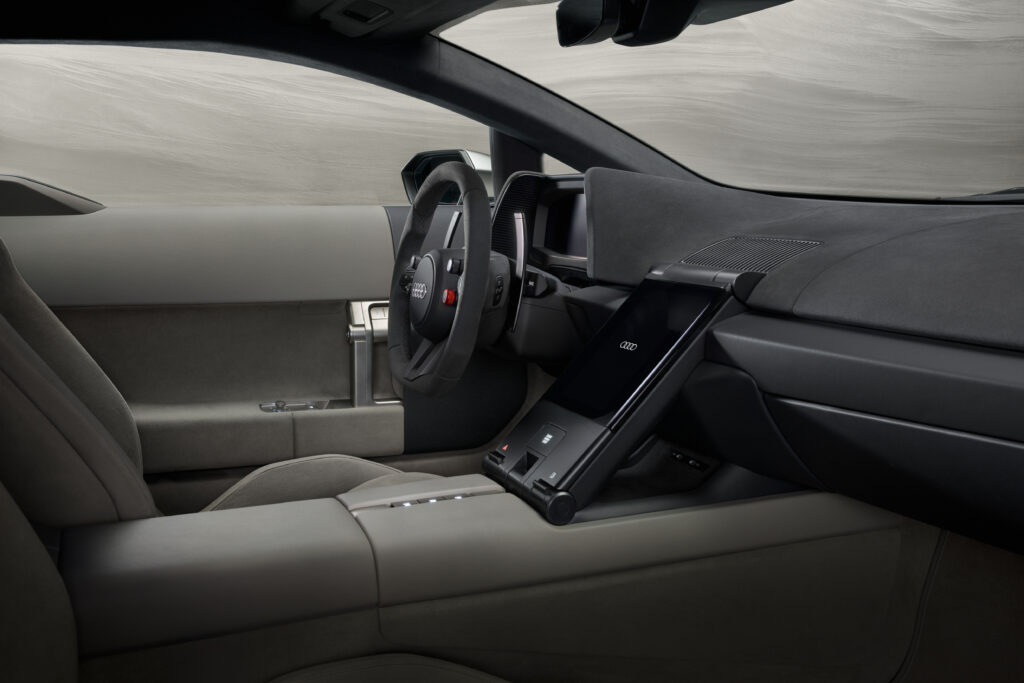
It is not just the numbers that are impressive, but above all the engineering philosophy behind the vehicle. Audi views the Nuvolari as a rolling technology showcase, in which numerous innovations from the Formula 1 program find their way into a production vehicle.
The new quattro predictive ride system is particularly exciting. The system continuously analyzes the vehicle’s condition, grip levels, and driving dynamics, and does not wait until the vehicle reaches its physical limits to react. Instead, the system is designed to anticipate situations and coordinate the drive units, brakes, and active aerodynamics accordingly. The two electric motors on the front axle do far more than just provide propulsion, enabling highly precise torque vectoring for maximum agility and stability.
The aerodynamics also follow this approach. The front splitter, diffuser, and adaptive rear wing work together as an intelligent integrated system. Depending on the driving situation, the balance between drag and downforce adjusts automatically. In high-downforce mode, the system is designed to generate more than 400 kilograms of downforce—figures that, just a few years ago, were found exclusively in motorsports.
Visually, the Nuvolari remains pleasingly close to the concept car that already caused a sensation at the IAA. The sculpted surfaces, the precisely integrated aerodynamics, and the powerful overall impression have made their way into the production model. The new Titanium paint finish, in particular, underscores the vehicle’s technical character and gives it a presence that stands out even in the world of modern supercars. Audi also takes a refreshingly consistent approach to the interior. Instead of digital sensory overload, the focus is on the driving experience. Displays and controls concentrate on the essentials. Lightweight seats with a carbon fiber structure, high-quality materials, and a deliberately minimalist design create an ambience that clearly puts the driver at the center.
The Audi Nuvolari will be limited to just 499 units. Deliveries are scheduled to begin in the first half of 2027.
The significance of such a vehicle cannot be overstated. With the discontinuation of the TT (RS) and R8, Audi has lost nearly all the models in recent years that generated a sense of prestige far beyond their actual sales figures. It was precisely these cars that sparked desire, adorned children’s bedroom walls, and strengthened the brand’s emotional foundation. The Nuvolari now takes on precisely this role, serving as a reminder that Audi was once among the manufacturers that regularly brought automotive dreams to life on the road.
However, one figure stands out as particularly regrettable, almost lost amid all the technical superlatives. Audi will limit production of the Nuvolari to just 499 units. At the same time, this also means that only a few enthusiasts will ever have the opportunity to actually experience—or even see—this extraordinary automobile. Precisely because Audi needs an image-builder like this more urgently today than ever before, one would have wished for a much larger stage for this fascinating supercar.