70 Years of Porsche – The six-cylinder models
Since June 8, the sports car brand Porsche is 70 years old. This is based on the day of the first registration of the 356/1 Roadster. After several years in which Porsche only built sports cars with four-cylinder boxer engines based on the Volkswagen engines, in 1963 a serious change followed. 55 years ago the new 901 debuted as 356-successor at the Frankfurt Motor Show. After only a few copies, Porsche renamed the new car to 911, because they wanted to avoid legal arguments with Peugeot, who had registered all three-digit numbers with a zero in the middle as model designations for cars as trademarks.
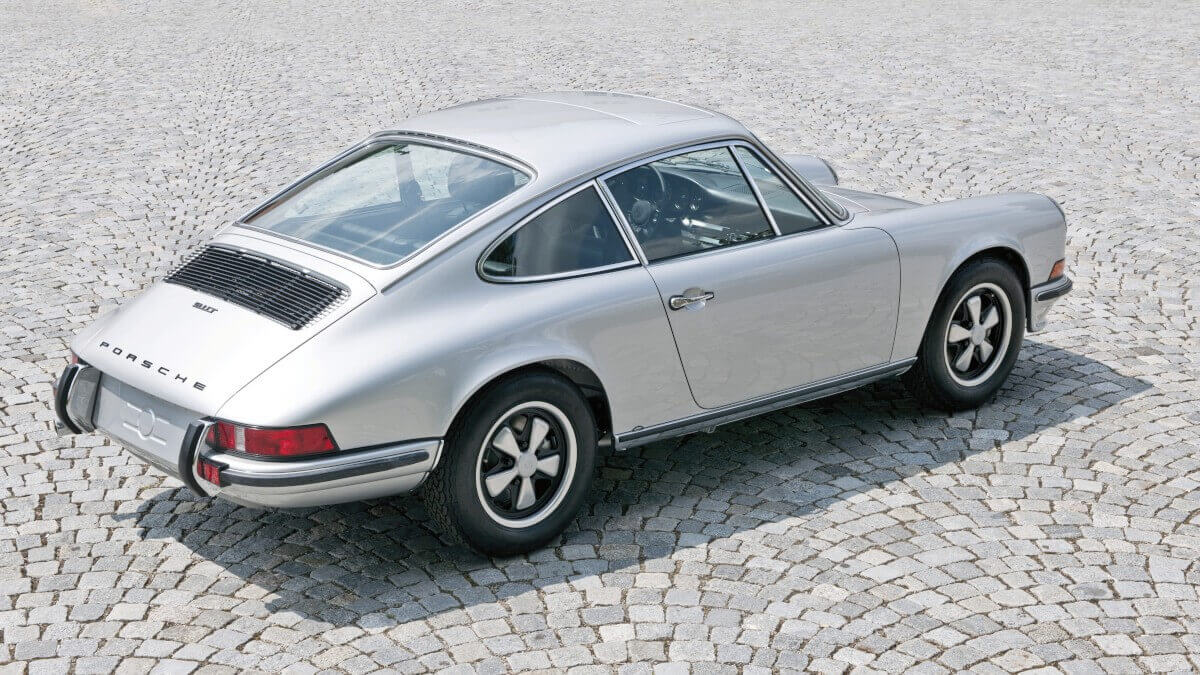
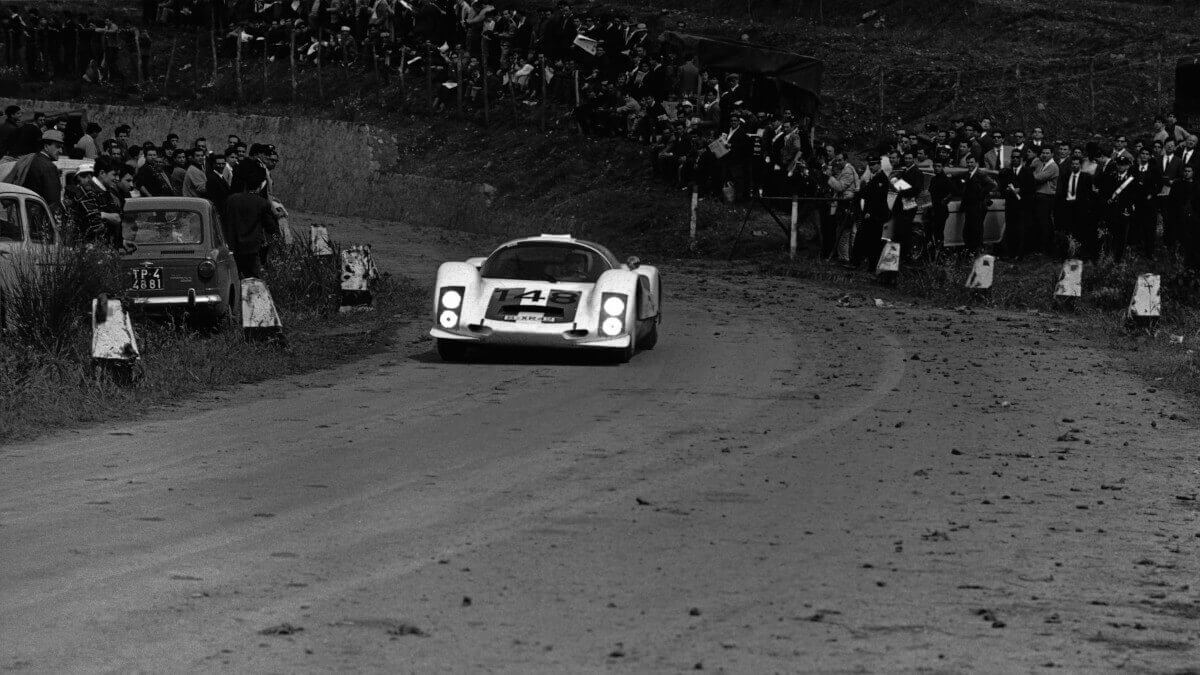
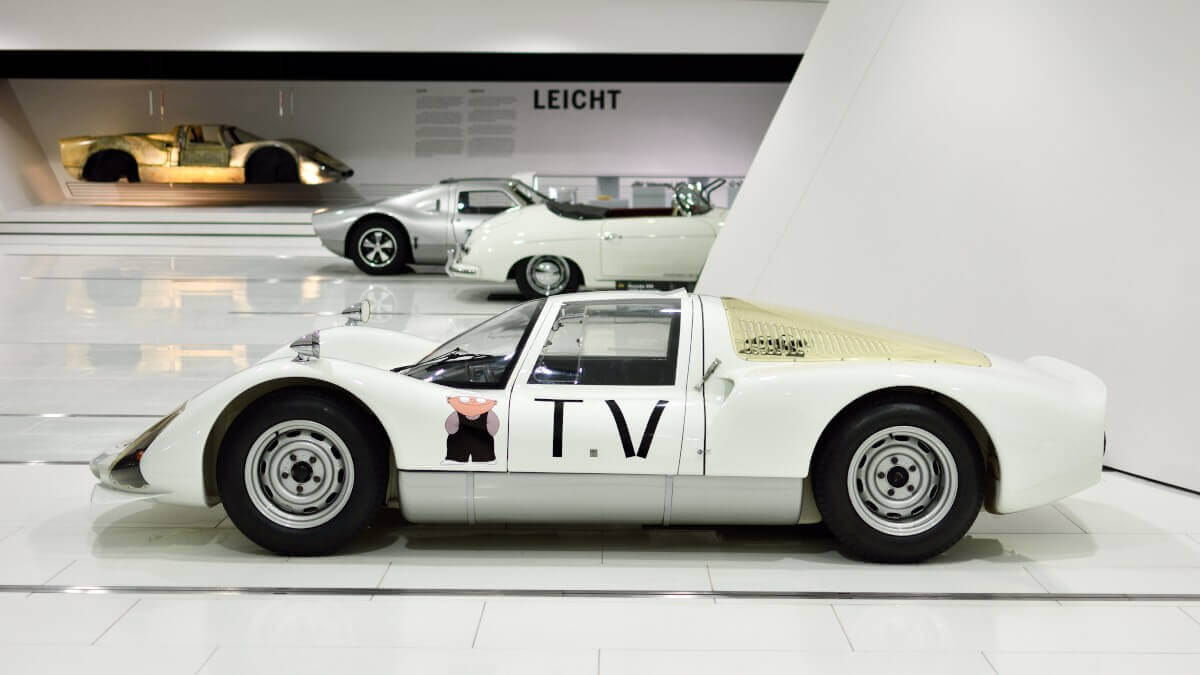
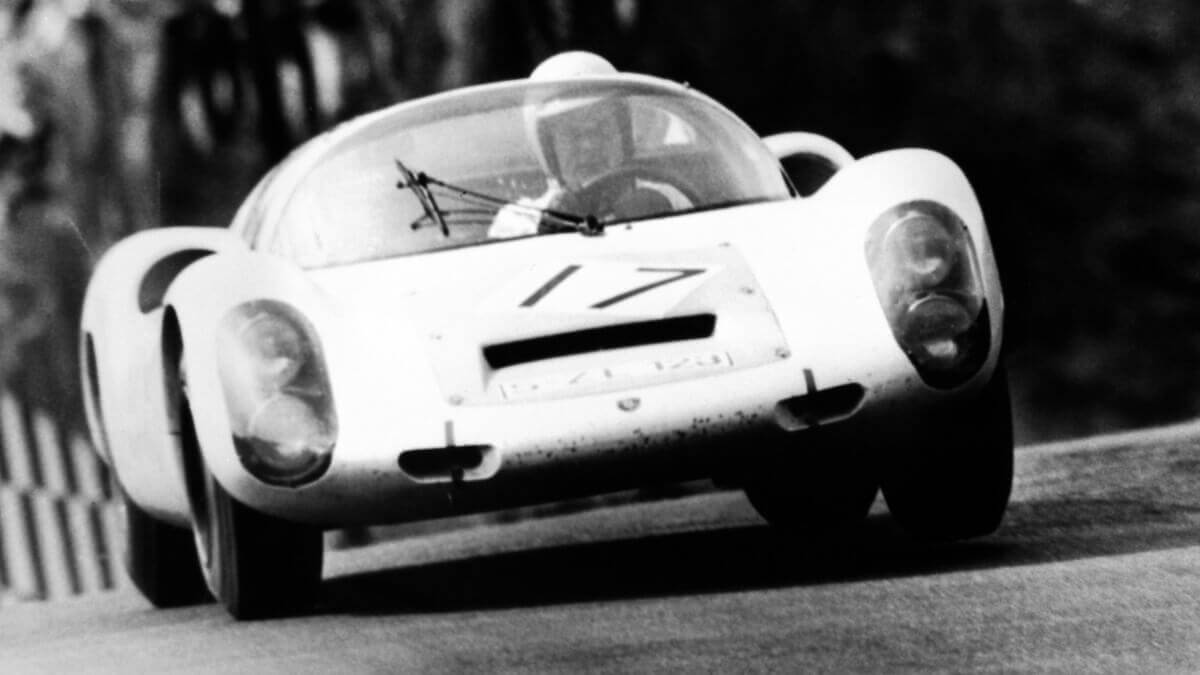
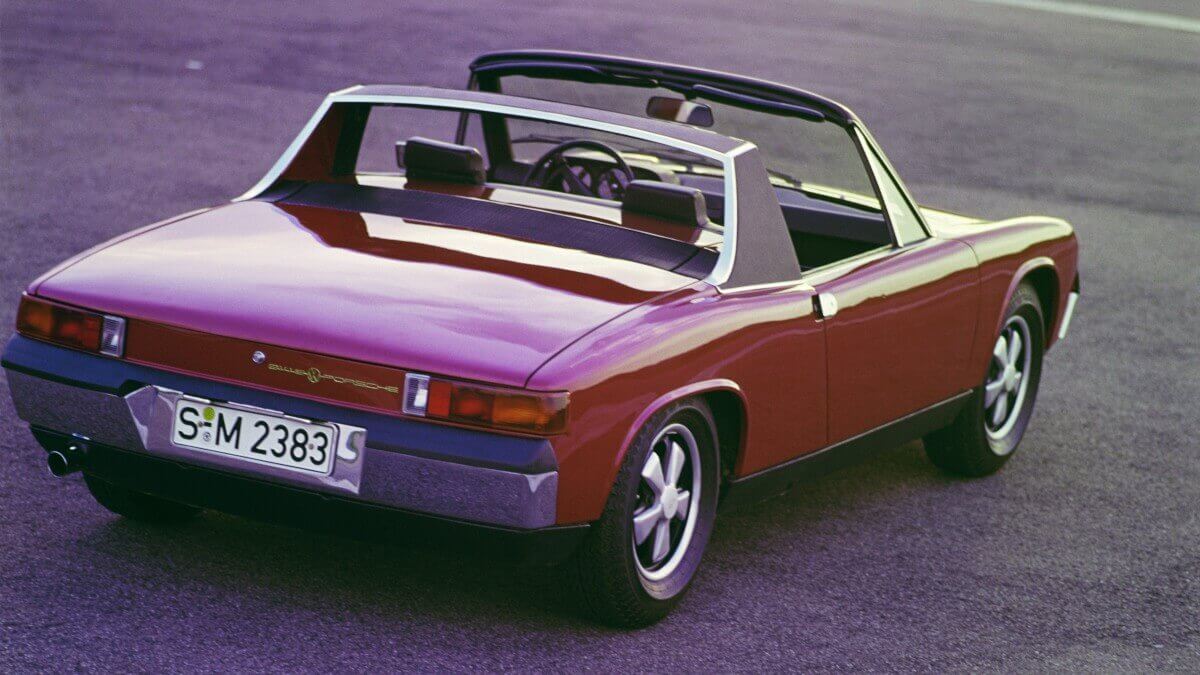
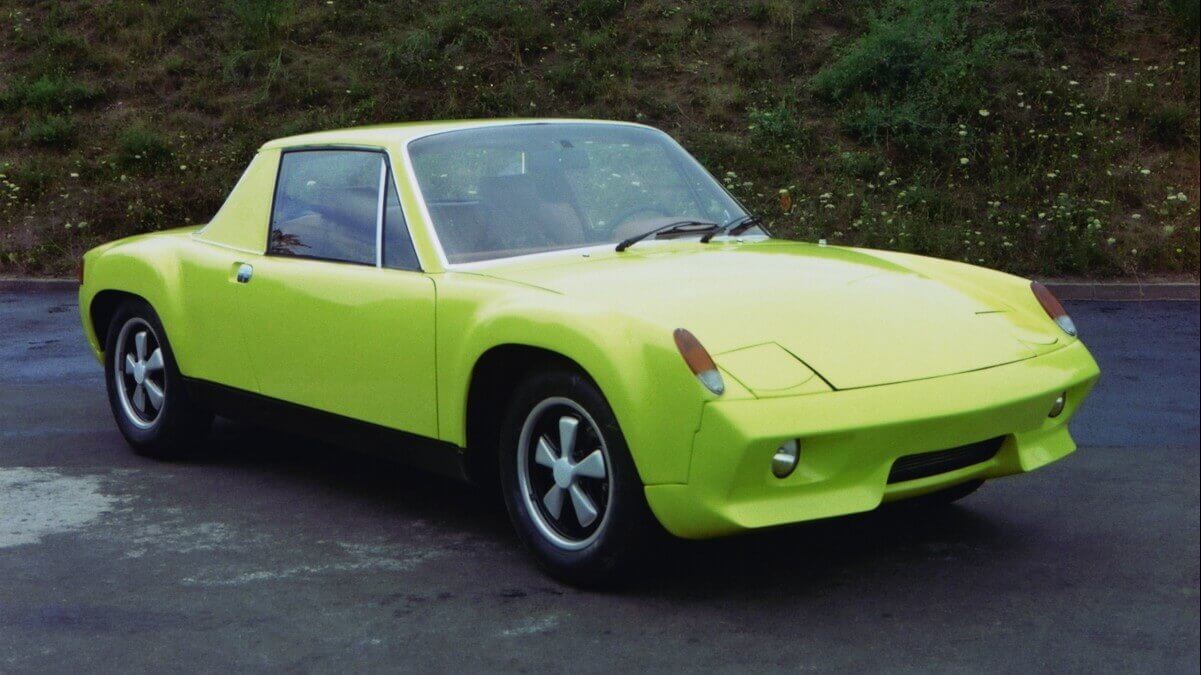
Over the years, there have been various model versions of the 911, such as the 911 S, 911 T, 911 E or the legendary 911 Carrera RS 2.7. In addition they offered the Targa, from the 70s on also the powerful Turbo and finally in the 80s also a Convertible. Like the predecessor model, the 911 was also used on racetracks, hillclimbs and rallys, where it usually finished in the upper parts of the result lists – and still does. In the late 60s, the manufacturer from Zuffenhausen started to develop lightweight racing cars with plastic bodyworks. Starting with the 904 Carrera GTS it continued with the 906 Carrera 6, 907, 908 and 910. The 908 ran in motor racing in various stages of development far into the 80s. Another six-cylinder model is of course the 914/6, based on the mid-engined sports car VW-Porsche 914. While Volkswagen only offered the car with four cylinders, Porsche mounted the six-cylinder engine from the 911. It was also available as 914/6 GT with wider fenders, which was used in rallies and circuit racing. It was followed by a very small series of the Porsche 916.






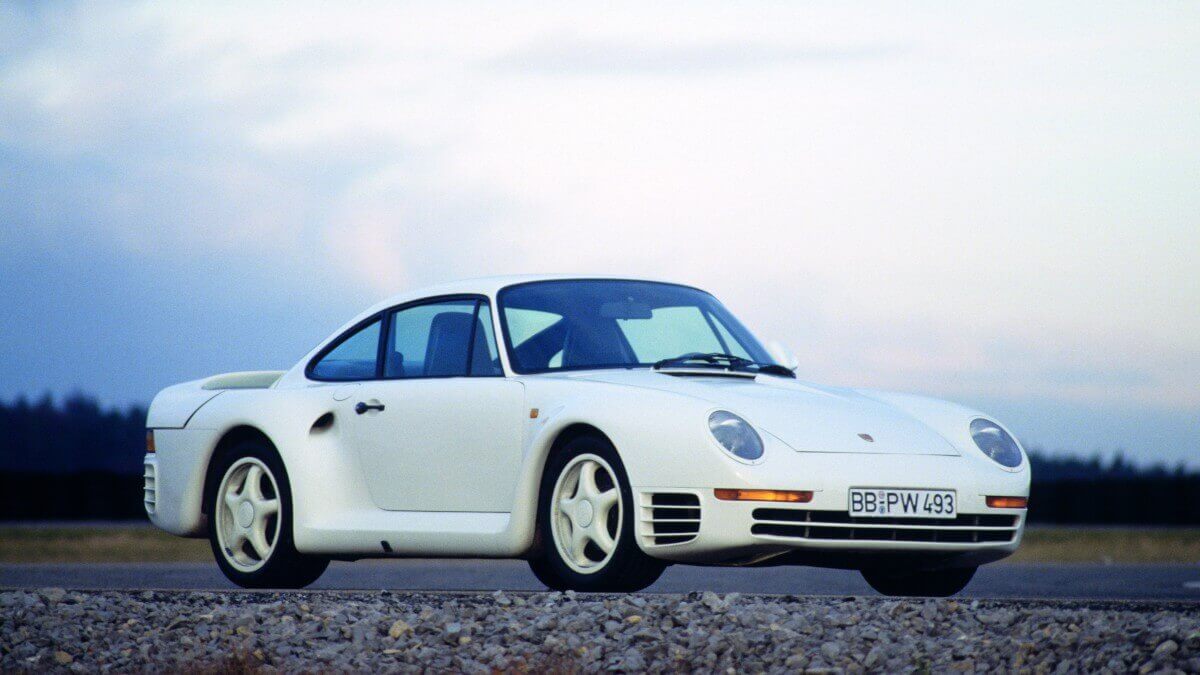
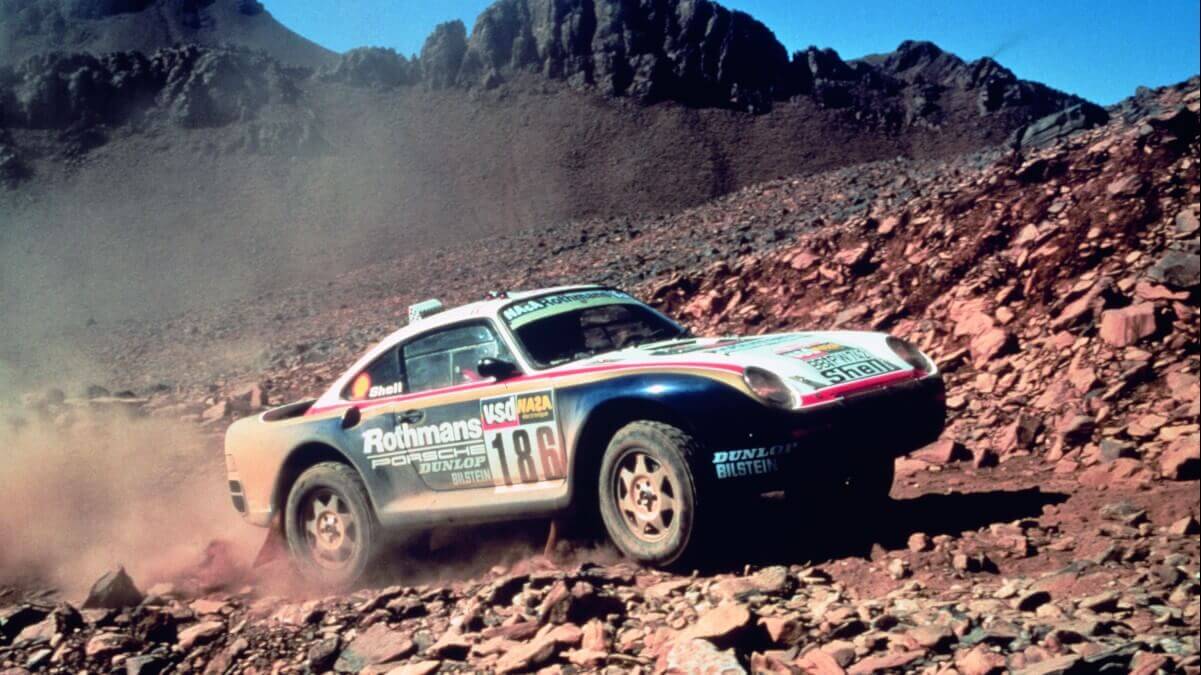
In the 1980s, the financial background of Porsche was quite bad at times. They had relied on the US market too much and were caught on the wrong foot by the rapidly declining dollar value. When considering how to proceed, even the very successful model 911 was placed on the deportation bank. Instead, they wanted to go into the future with the larger model 928 and derivates. However, the customers pushed a clear vote against this decision. Some development time and, above all, a lot of money went into the development of a Group B car, which was planned to be used in both the World Rally Championship and a planned but never-used circuit championship for Group B cars. Ultimately, the circuit racer was used as 961 in the prototype class in Le Mans twice and the rally car won the endurance rally Paris-Dakar twice after the World Rally Championship stopped Group B. The accompanying road car was built 292 times and today is a sought-after collector vehicle – especially due to the technical innovations such as hollow-spoke rims, an active suspension and four-wheel drive.
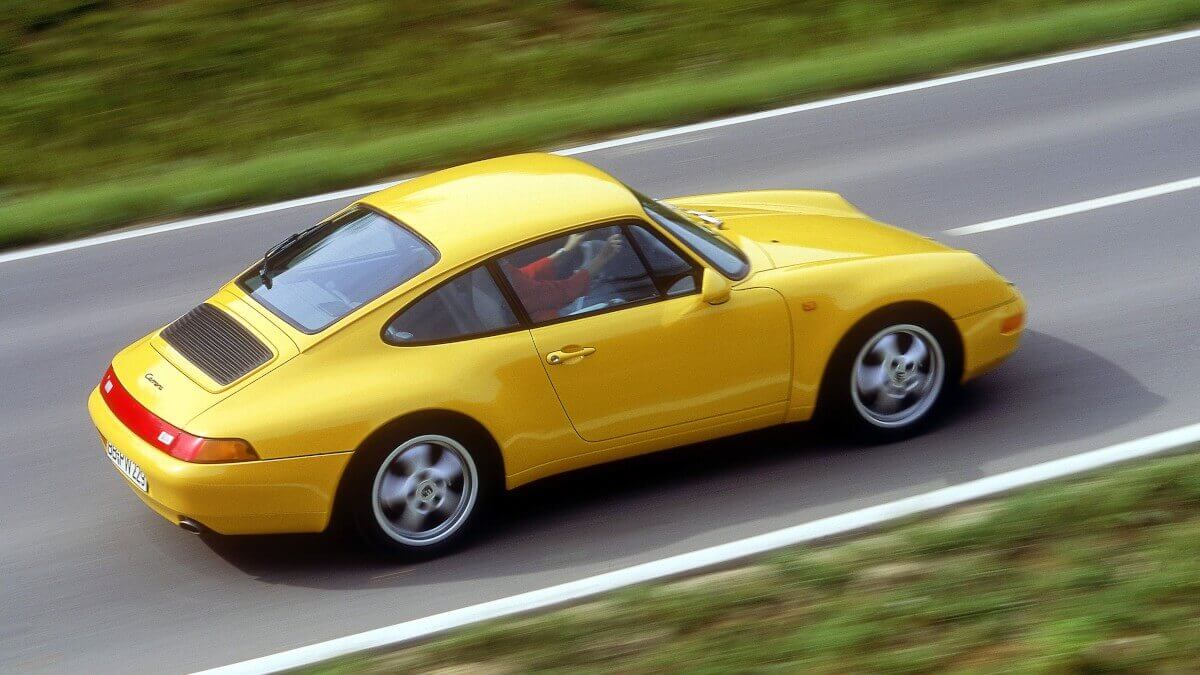
The developments from the 959 were largely used in the following production models. It started with the latest generation 911, which is known internally and among fans as 964 and rolled to the dealers from 1988. Also on the racetracks Porsche celebrated further successes. With 935, 936, 956 and 962 the race team from Zuffenhausen scored one victory after the other. Especially the 24 Hours of Le Mans developed into a second living room of the sports car brand. Customer teams such as Kremer and Dauer were also successful with the six-cylinder engines. Even in Formula 1 Porsche was victorious in 1984 and 1985, even though the V6 engine was named ‘TAG Turbo’ because of a sponsorship deal. In 1993, the market launch of the last sports car model with an air-cooled six-cylinder boxer engine took place. Until 1998, the 911 (993) rolled off the line with power levels between 300 and 450 hp.





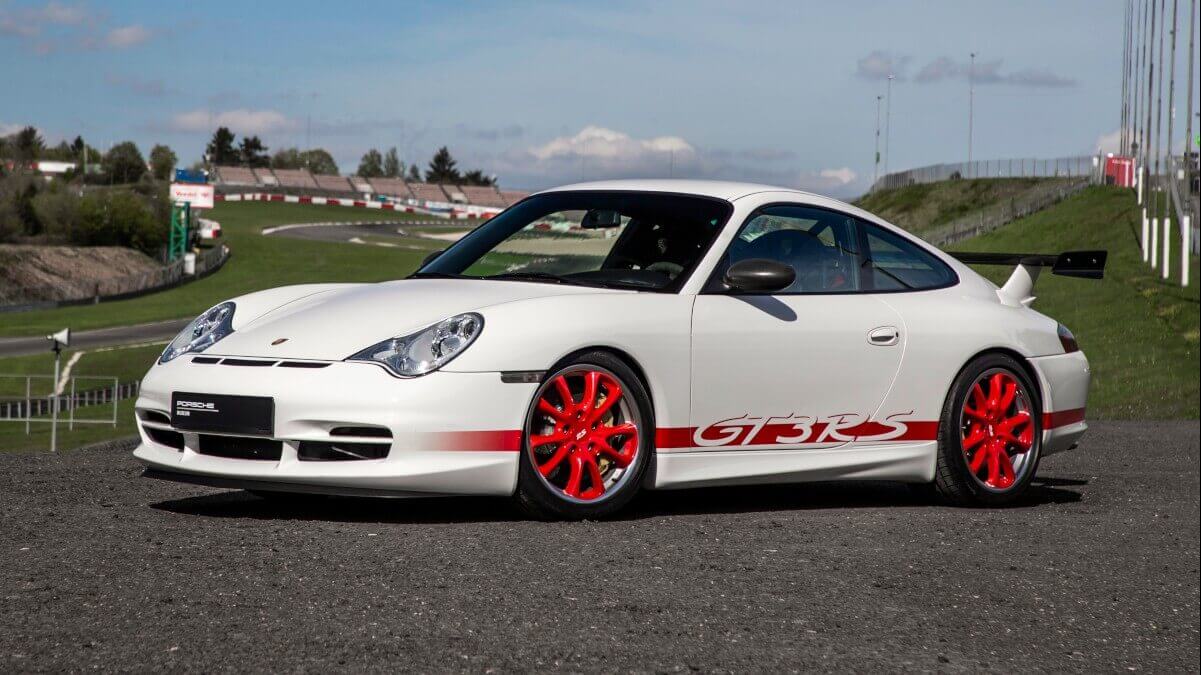
With the first water-cooled 911, Porsche made little friends in two respects. On the one hand, the engine was not fully developed at first, and on the other hand, the new design of the 996 sparked discussions. The most frequent criticisms were the headlights, which were supplemented around the round main lights with parking lights and indicators and thus received the nickname ‘fried eggs’. On this basis, there was the very first GT3 and shortly after the first GT3 RS. Since then, Porsche has been calling its most powerful and sporty 911-variants with natural aspiration this way, while the strongest Turbo versions got the GT2 name already in the 993 generation.
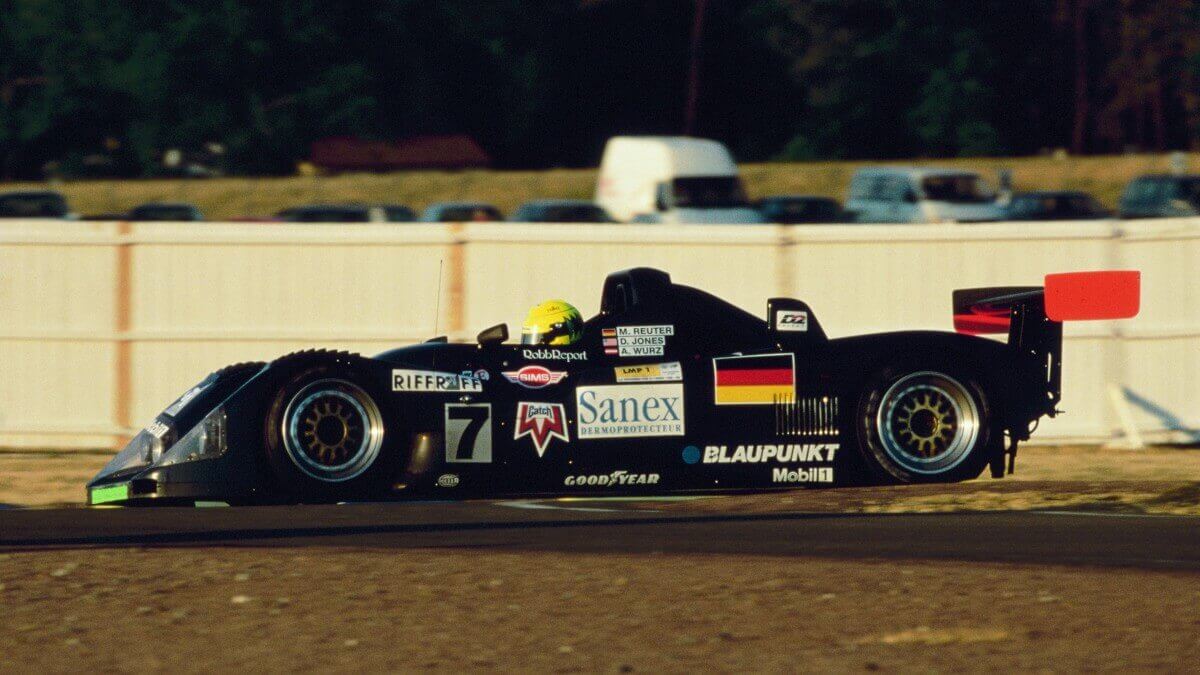
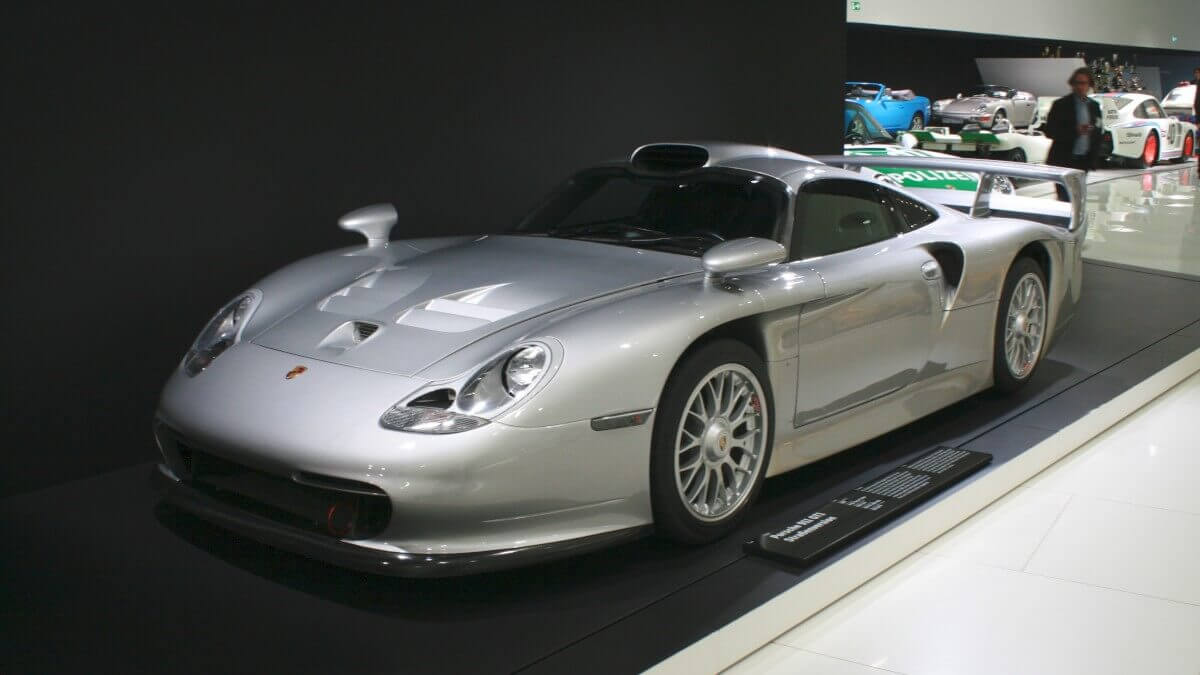
However, the wildest offshoot of the 911 series was shown by Porsche at the end of 1996 on the race track. For the sports car world championship and the endurance race in Le Mans they created a car according to the GT1 sports car regulations. Only the front of the 911 GT1 was derived from the 993, while the windscreen came from the 964 Speedster. Everything behind it was newly developed. Directly behind the driver sits the six-cylinder biturbo engine in the middle of the car. The design clearly followed the instructions from wind tunnel development. Due to the rules, Porsche had to launch a street version and offer it in a certain number. Two copies were made with the lights of the 993, followed by the facelift with ‘fried eggs’ from the 996 generation, of which 20 road cars were produced. In 1998, an even more radical version followed, which adapted to new changed regulations and took only the lights from the production cars. The 911 (996) GT1/98 won the 24 Hours of Le Mans for Porsche for the 17th time, but was built only once as a road car. This car is part of the works collection and can be seen in the Porsche Museum.



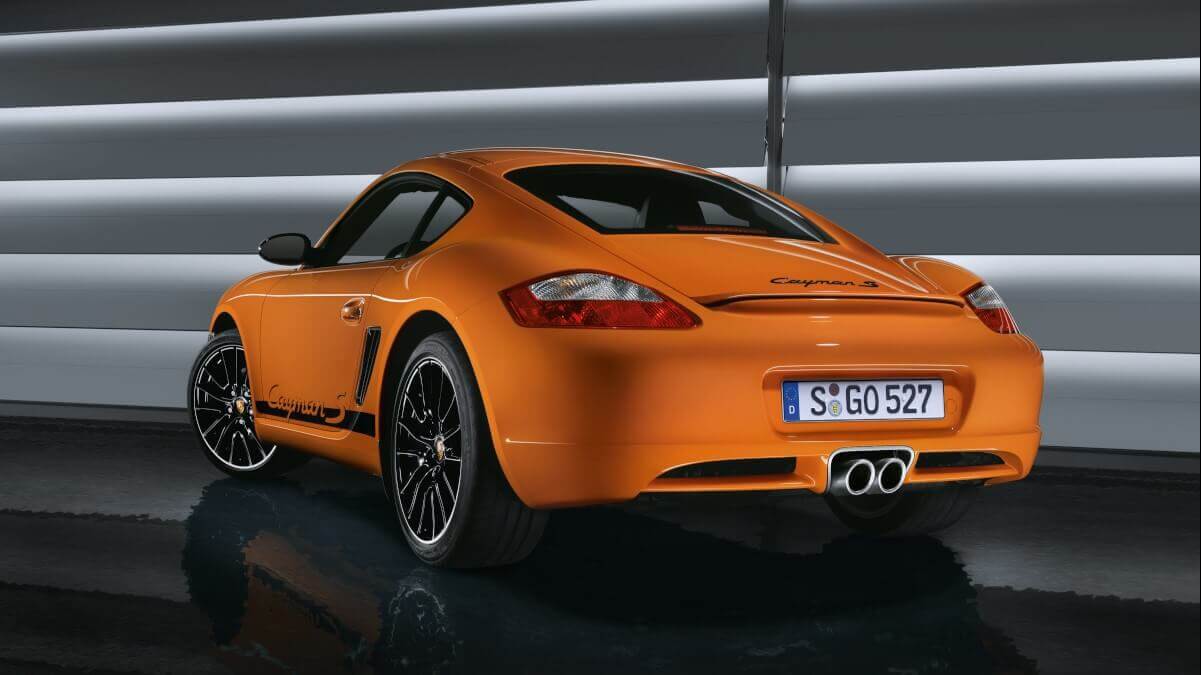


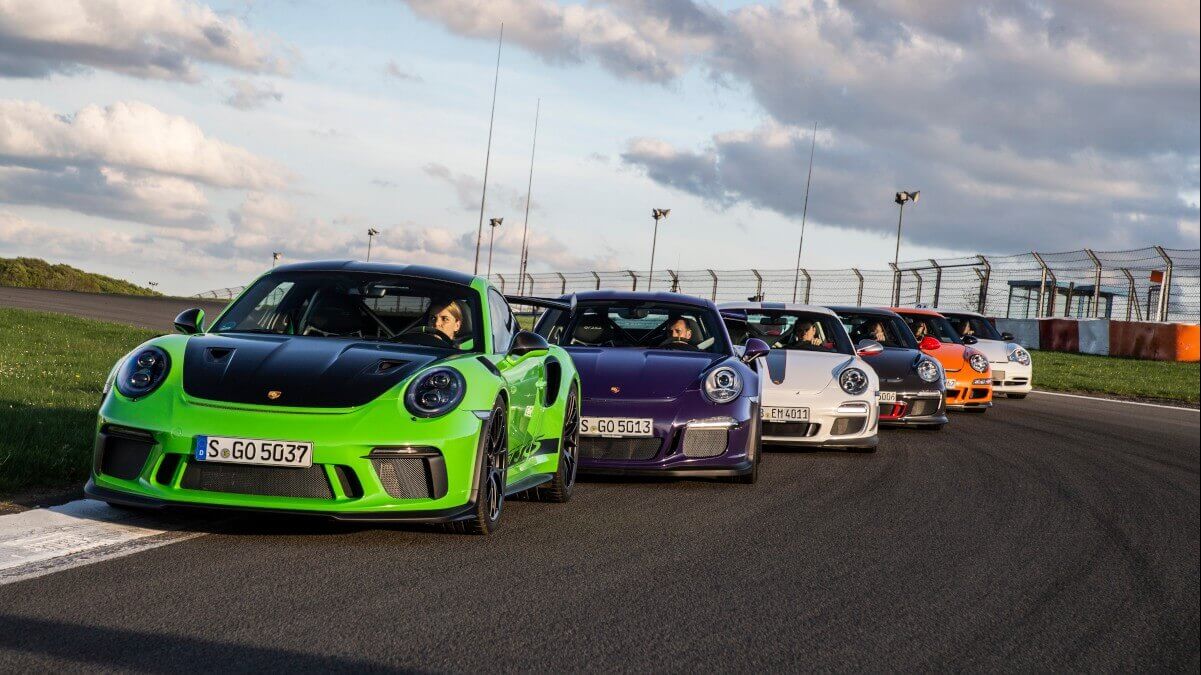
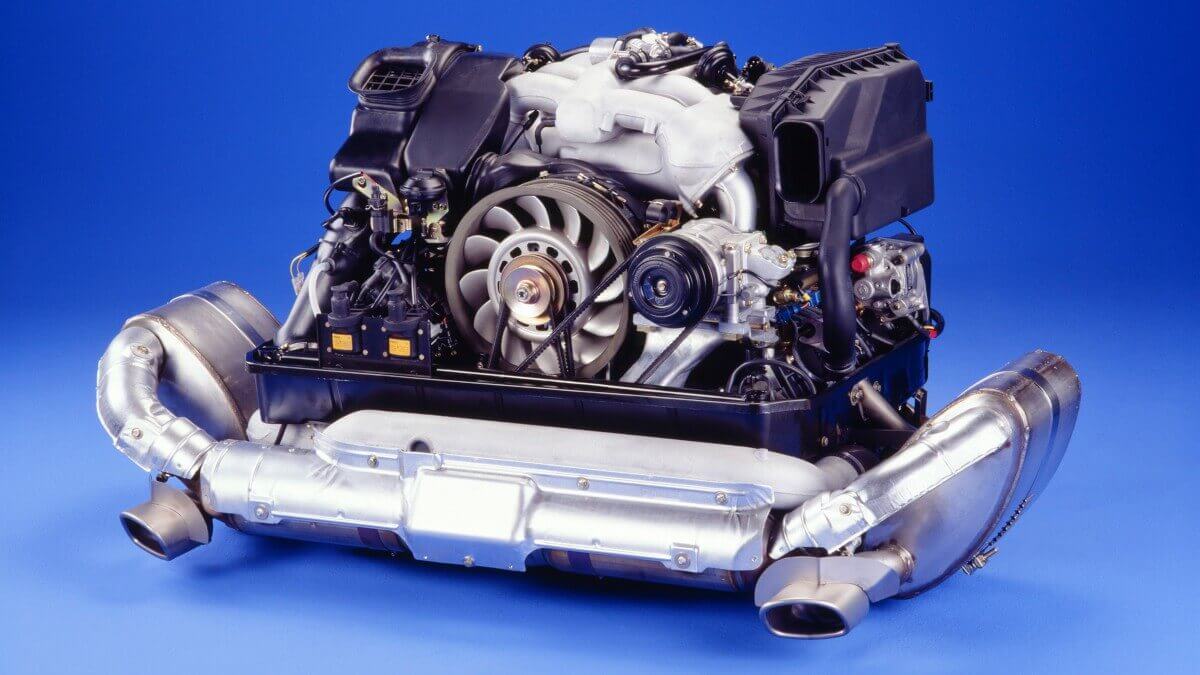
The 996 was followed by 997 and 991, of which now the facelifted model (internal code: 991.2) is available at the dealers. Due to changes in worldwide registration regulations, this now only has turbocharged engines, since the final cars of the GT3 RS rolled off the production line earlier this year. Since 1996, there is an entry-level sports car offered parallel, which is named Boxster with open top and Cayman as a Coupé. Initially, the six-cylinder boxer engine provided its power in them as well. Meanwhile, they switched to four-cylinder turbo engines. Also in Panamera, Cayenne and Macan there are six-cylinder engines in some versions. Thus, one could say without a doubt, six is the volume number at Porsche currently. How this will continue from this point remains to be seen. What we know for sure: With us you can soon learn more about Porsche models with eight-cylinder engines, stay tuned.
Images: Porsche, Matthias Kierse