Scuderia ’89 – Ferrari’s path to paddle shifters!
In 1989, Ferrari fundamentally changed Formula 1. The introduction of the semi-automatic gearbox with paddle shifters marked the beginning of a technical revolution whose consequences extended far beyond Grand Prix racing. What started as a radical experiment became standard in racing within a few years and ultimately an integral part of modern supercars.
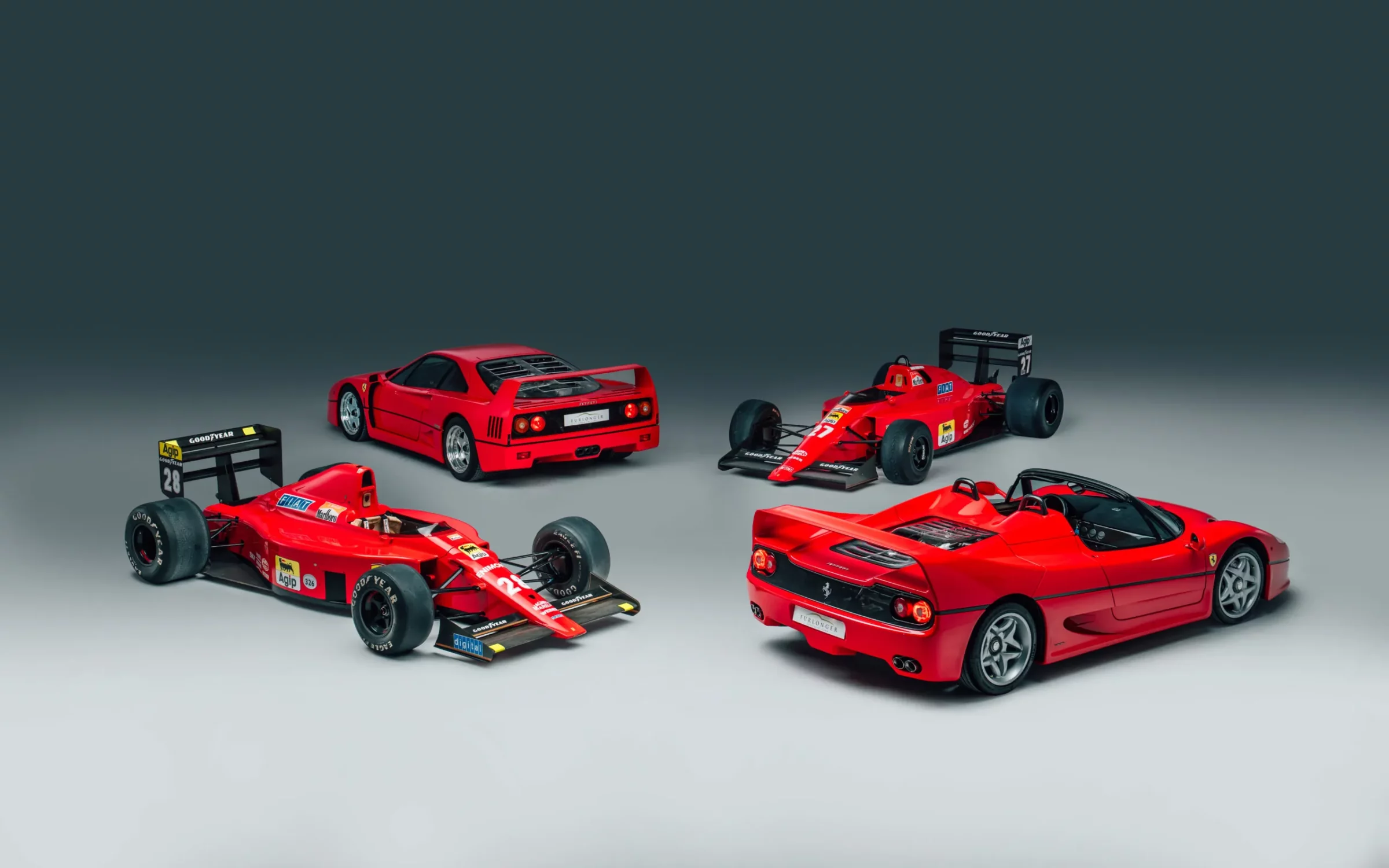
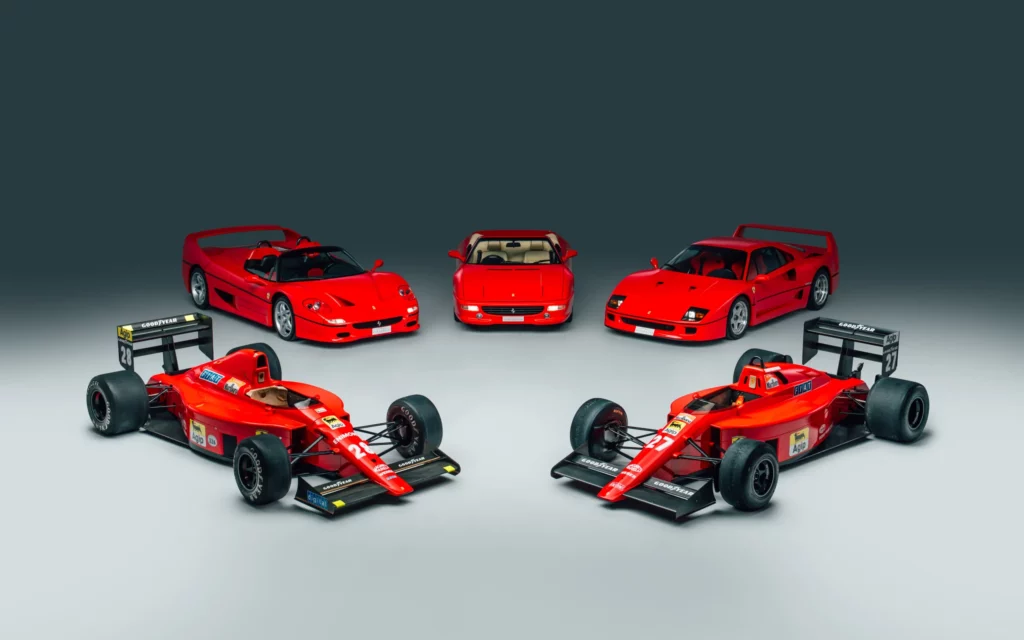
The collection “Scuderia ’89 – The Pursuit for Paddle,” presented by Furlonger Specialist Cars in collaboration with Egon Zweimüller, encapsulates this transformation in five vehicles. Two Formula 1 designs and three high-performance sports cars from Maranello document the development of the paddle shift from the test vehicle phase to series production.
1. Ferrari 639 F1 – the prototype
The Ferrari 639 F1 with chassis number 106, developed in 1988, is one of only two factory test cars ever built. It served as a platform for the new 3.5-liter V12 Tipo 035, which reached up to 13,000 rpm and mobilized around 685 hp. At the same time, it marked the end of the turbo era for Ferrari.
However, its real significance lies in the transmission. For the first time, there were two paddles behind the steering wheel that triggered sequential gear changes electrohydraulically. The clutch was only needed for starting. Initially, reliability was the Achilles heel of the system. It wasn’t the mechanics, but rather a weak battery that caused failures. It was only with the support of Magneti Marelli that the electronics became stable.
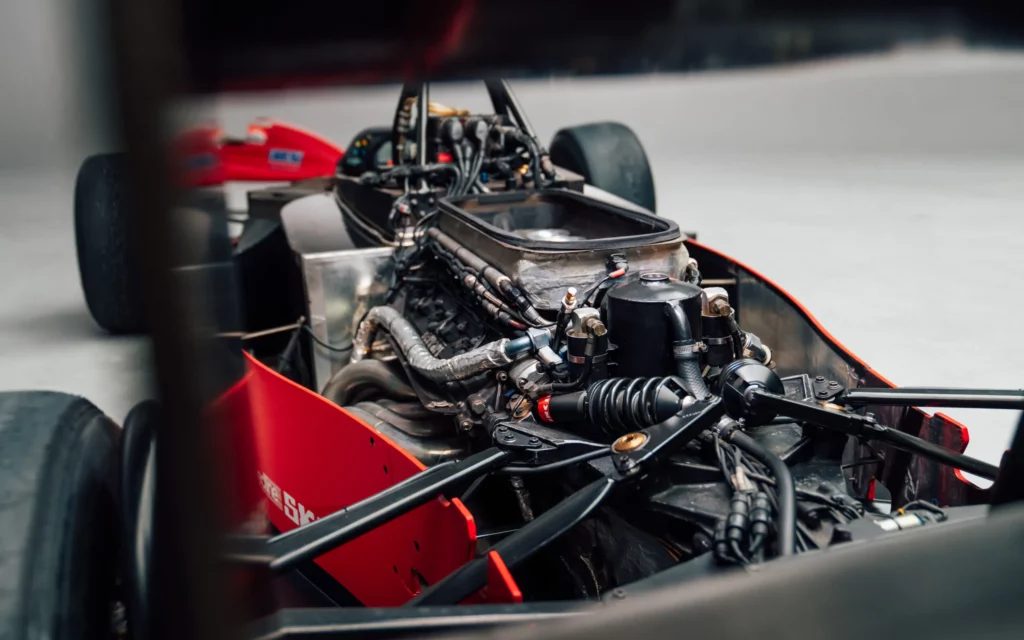


The concept was tested on the company’s own track in Fiorano. Nigel Mansell, Gerhard Berger, and Roberto Moreno were among those who carried out the testing work. Chassis 106 remained in the factory’s possession until 1999, after which it passed into private ownership and was intensively maintained by Ferrari Classiche. It is fully functional, has its original Tipo 035/5 engine and was last driven at Goodwood, among other places.
2. Ferrari 640 F1 – Its first appearance in the Grand Prix
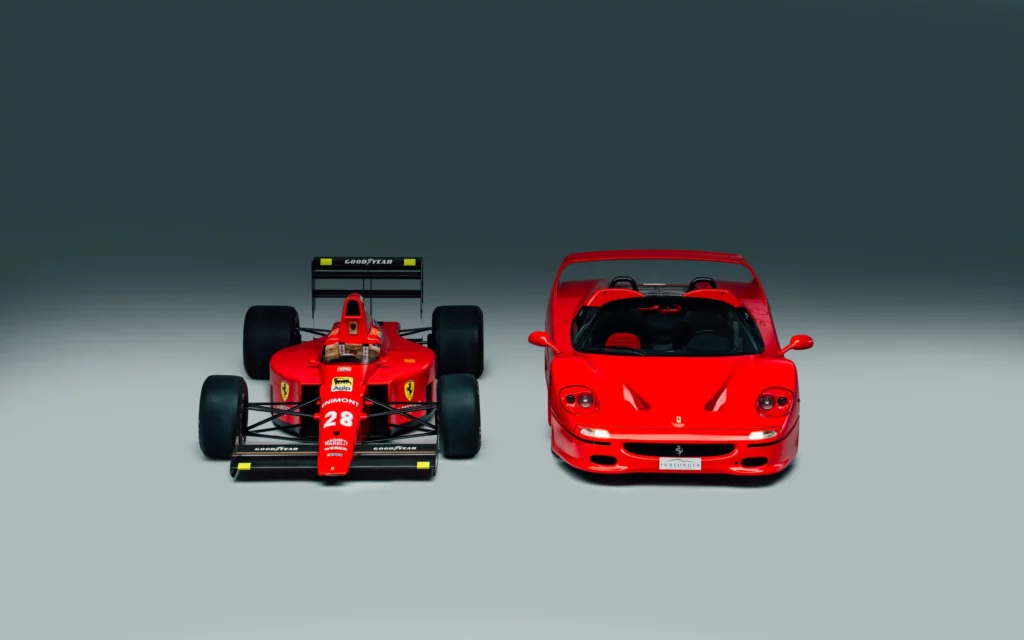
The 640, designed by John Barnard, combined the 65-degree V12 with an advanced version of the semi-automatic transmission. The body and monocoque were made of Kevlar and carbon fiber composite.
Chassis 110 was used by Berger in Mexico, Canada, Great Britain, Germany, and the USA in 1989. The vehicle is also historically significant in the context of Berger’s serious accident in Imola. The new gearbox design made it much easier for him to return to the cockpit with his hands bandaged.

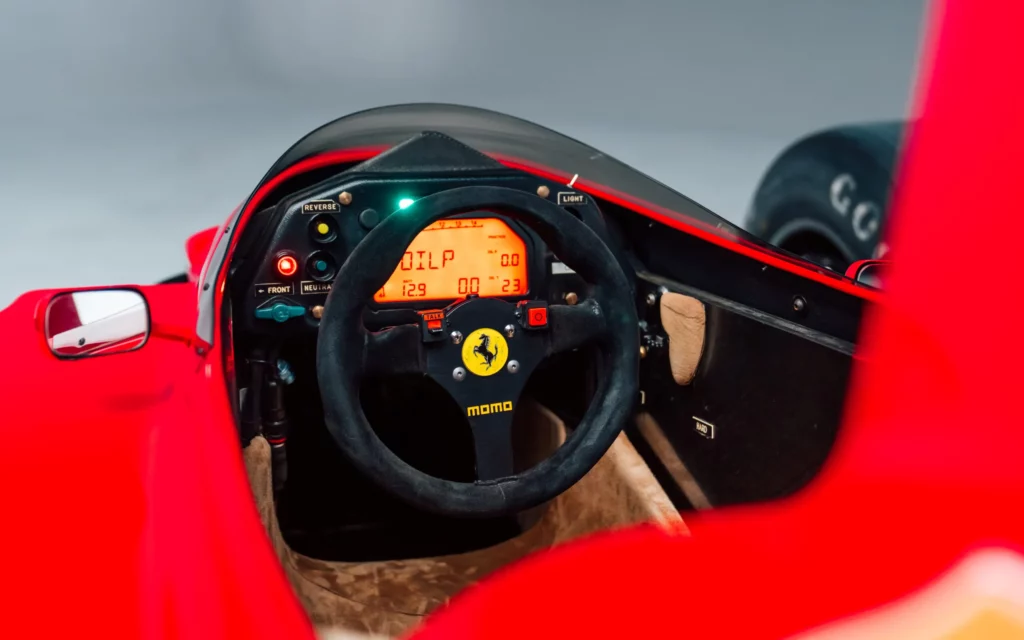
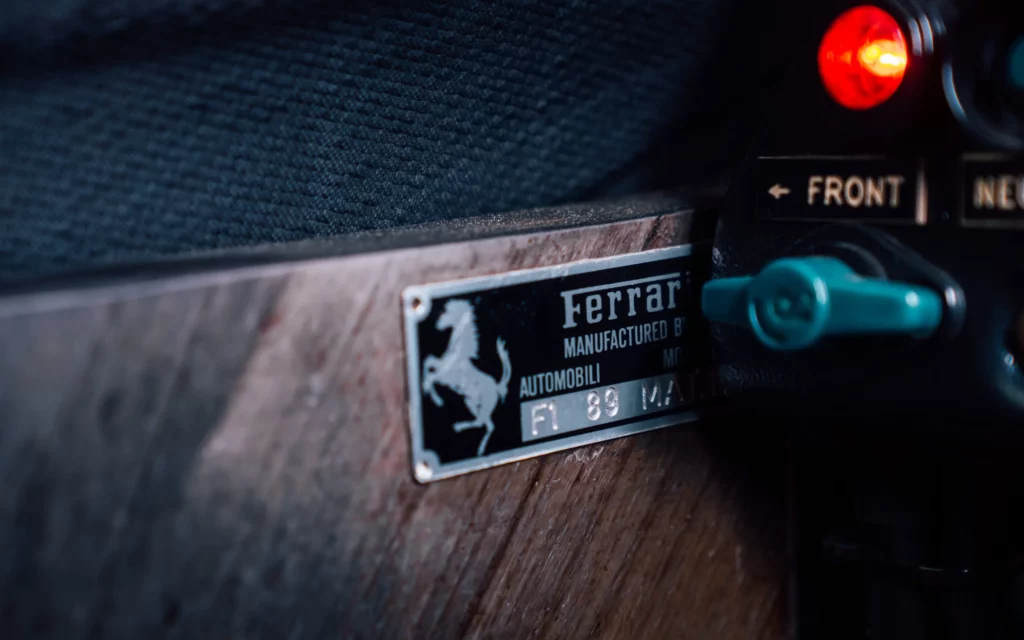

After years as an exhibition vehicle, 110 was made roadworthy again and extensively restored as part of the Ferrari F1 Clienti Program. Ferrari Classiche certification documents its authenticity. In 2024, the vehicle was once again driven by Berger during demonstration laps. The 640 marks the moment when the paddle shift system was no longer an experiment but a competitive reality.
3. The roadlegal flagships.
On the road, the Scuderia ’89 collection forms a compact chronology of Ferrari’s development. The Ferrari F40 embodies the uncompromising supercar principle of the late 1980s: lightweight, agile, with a 2.9-liter twin-turbo V8, manual transmission, and minimalist interior, developed for pure driving pleasure and maximum directness. The Ferrari F50 brings racing technology into the 1990s: its 4.7-liter V12 is derived from the engines of the 639 and 640 F1 prototypes, the carbon fiber chassis follows motorsport principles, and the vehicle comes with both roof variants, a complete tool kit, and extensive documentation.
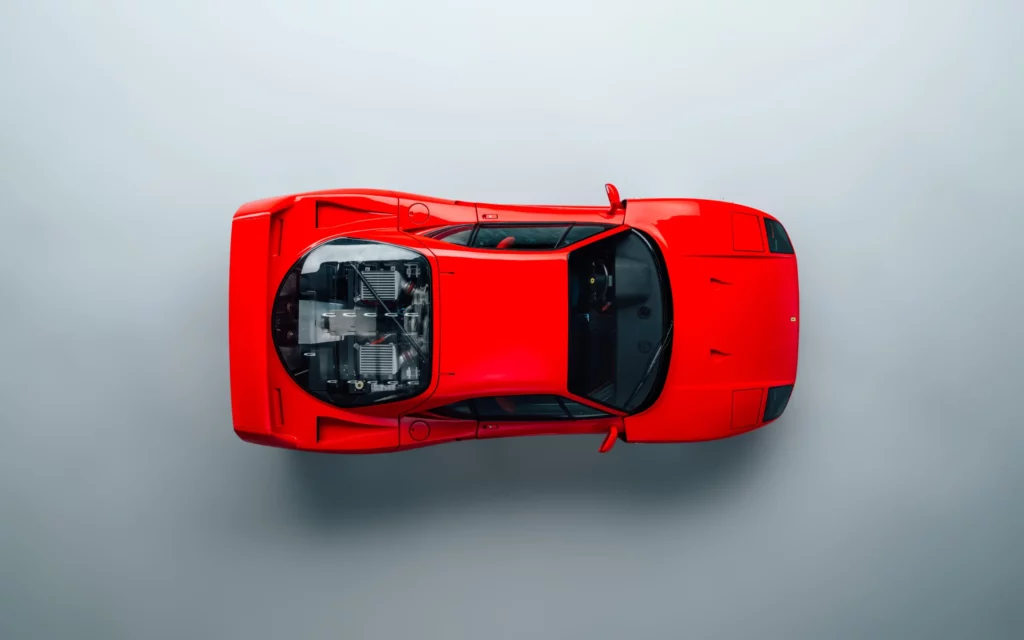

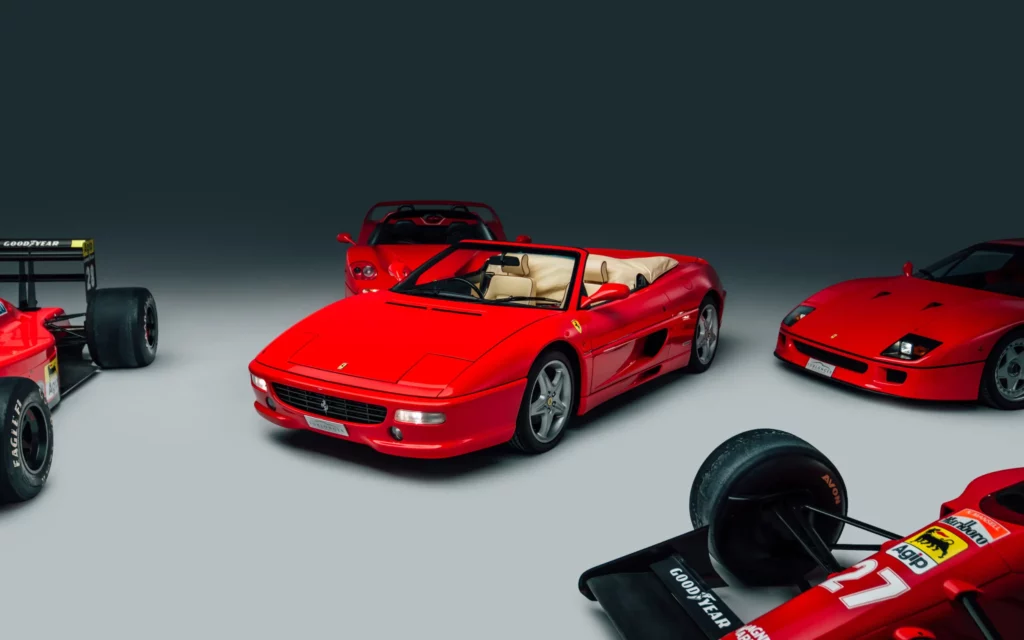

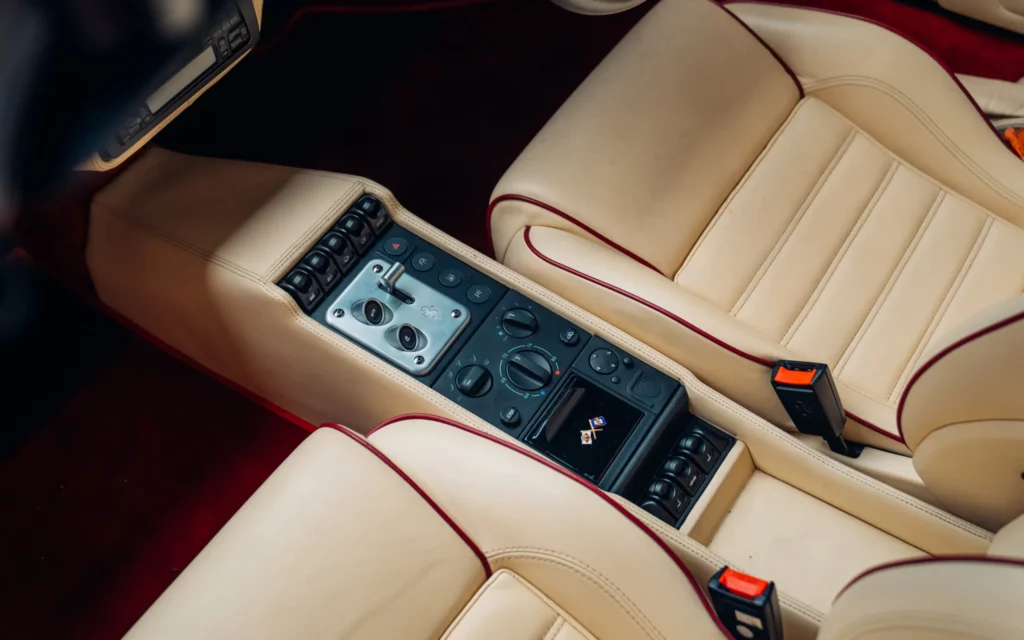
Finally, the Ferrari F355 Spider marks the transition to electronic control: as one of only 139 models delivered to the UK, it was the first to feature an optional sequential “F1 gearbox” in combination with a 3.5-liter V8 engine, Rosso Corsa paintwork, and only 8,850 miles on the clock. Together, these three road sports cars tell the story of Ferrari’s evolution: from purist manual transmissions to state-of-the-art racing technology for the road to the integration of electronic shift logic.
An ensemble celebrating the birth of the paddle shift.
“Scuderia ’89 – The Pursuit for Paddle” is designed as a closed collection and is only available as a complete package. It documents a technical development in a comprehensible sequence. From the experimental prototype to its first Grand Prix appearance and integration into iconic road cars, a consistent picture emerges of the moment when Ferrari redefined the art of shifting gears.
You can find more information here: