70 Years of Porsche – The 8-Cylinder Cars
A lot happens within 70 years. If we look back at the history of Porsche, there were more than one million produced 911s, a start with four-cylinder engines (see the first part of our article series) and of course race victories over race victories. Even in the official archives in Zuffenhausen, there isn’t an exact number of the motorsport successes worldwide, as many private drivers start without factory support and result lists of club races often don’t arrive at the Porsche HQ. After we already spent some time illuminating the models with four- and six-cylinder engines in the past few months, we would like to focus on vehicles with eight cylinders this time around.
804
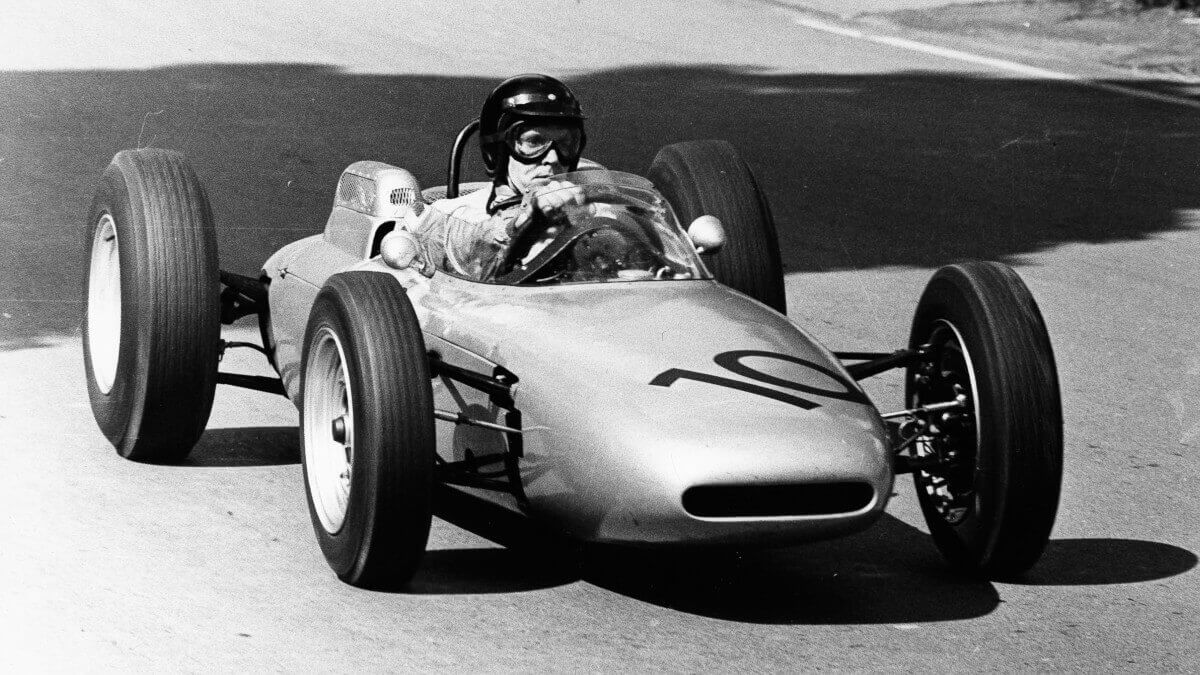
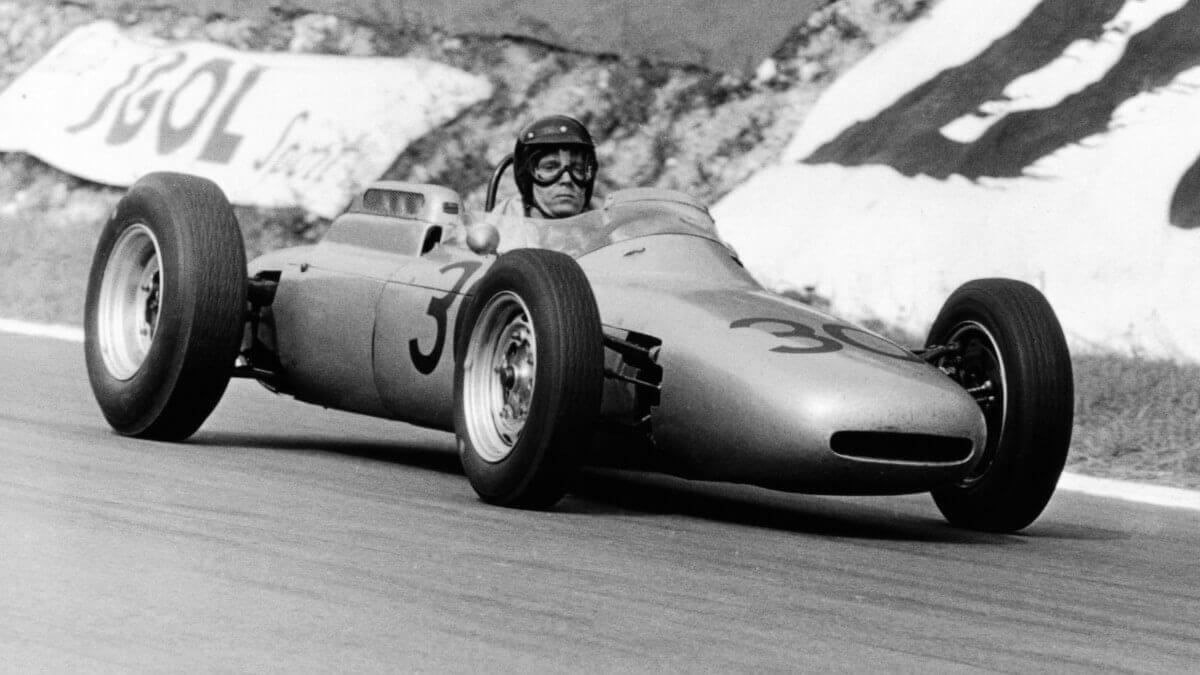
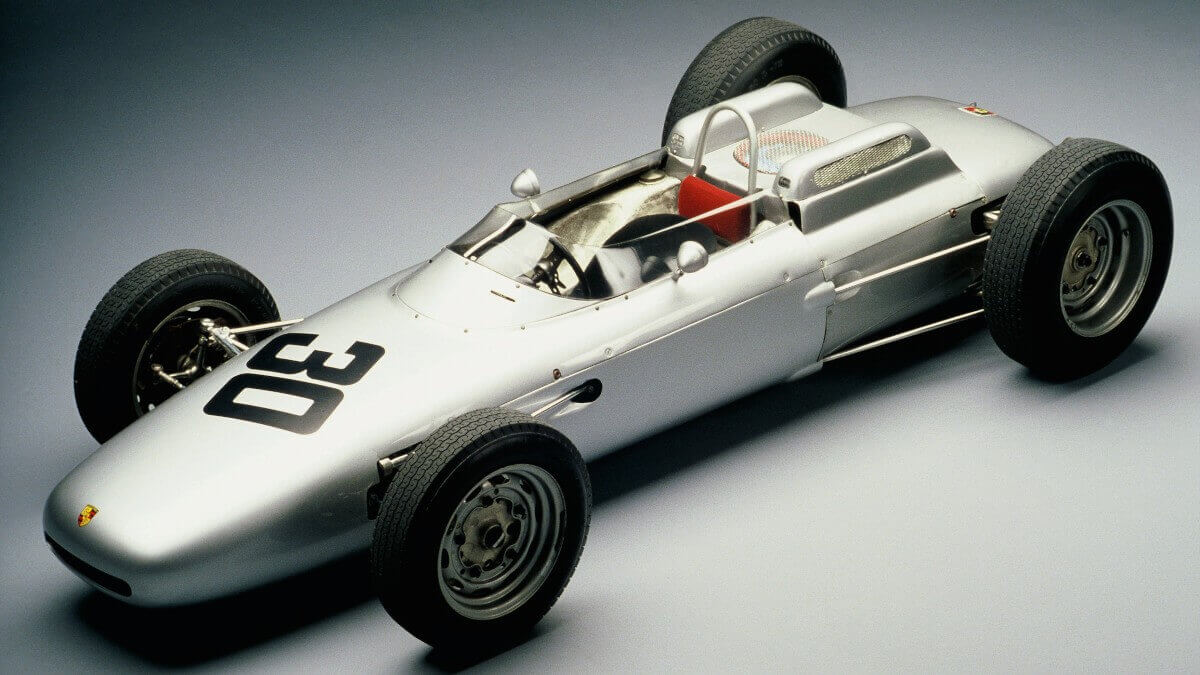
For the first time in Porsche’s history an eight-cylinder rumbled on an engine test bench in Zuffenhausen in 1962. Hans Mezger developed this engine for the Porsche entry into Formula 1, after the four-cylinder boxer engine had reached its performance limits in the smaller Formula 2 race version of the 718 and in the 787. Due to the prevailing regulations this eight-cylinder engine with the internal code 753 had only 1.5 liters of displacement, from thich the engineers could tickle 180 hp in its first version. Through a manual six-speed gearbox and a mechanical limited slip differential the power was transfered to the rear wheels and made the monoposto Porsche 804 able to reach a topspeed of 270 kph. After initial technical problems had been sorted and some improvements done requested by works driver Dan Gurney, the team achieved the first and only Grand Prix victory of a works-Porsche at 8 July, 1962, in Rouen/France. It was followed by another overall victory at the Grand Prix de Solitude near Stuttgart/Germany a week later, but that race didn’t count for the F1 world championship. Some good results, even in hillclimbs and other races that weren’t part of the F1 championship followed. Nevertheless, Porsche ended the Formula 1 activities before the end of the season, as the procurement of some special parts required was expensive and cumbersome and a transfer of the knowledge gained with the 804 wasn’t possible to the standard road cars. However, commercial use was important for the then still relatively small factory and led to a realignment of the motorsport department to GT and sports car races.


718 W-RS Spyder
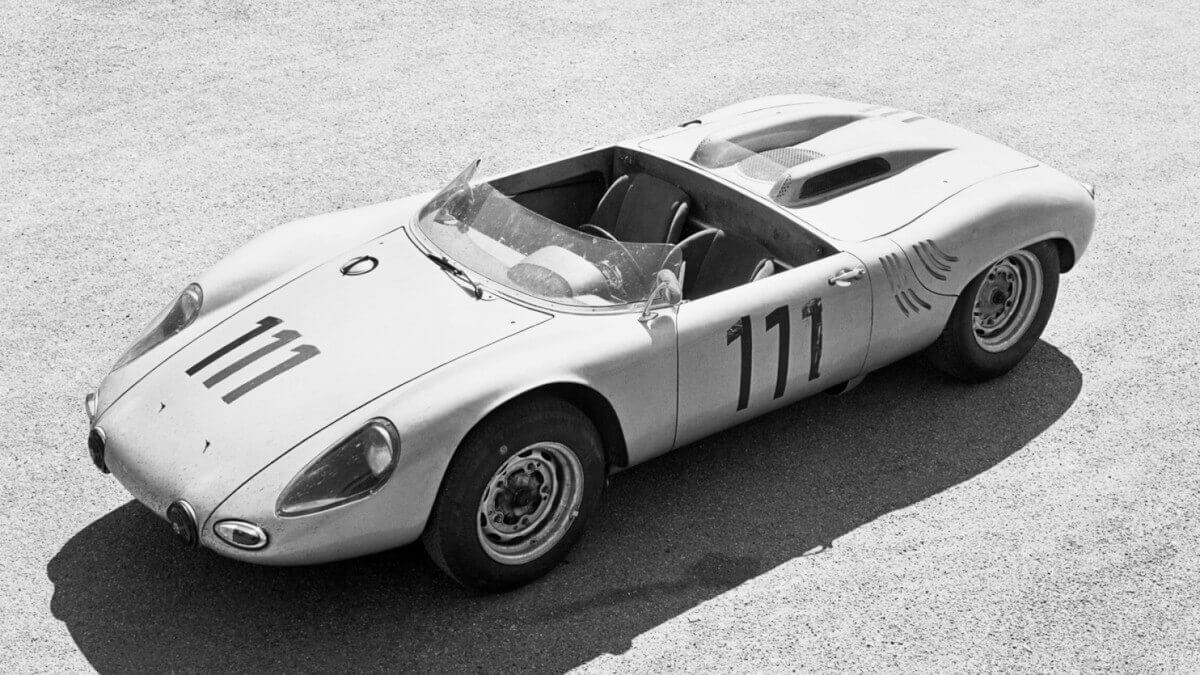
Parallel to the Formula 1 commitment, Porsche mounted another version of the eight-cylinder engine, drilled to two liters of displacement and with 240 hp, into the 718 RS 61 Spyder and the unique 718 W-RS Spyder from 1961. The latter started its racing career with the known four-cylinder engine, but was converted with the bigger motor and disc brakes all around for 1962. Originally it was developed for the World Endurance Trophy, but the car also served in the works team for hillclimb events and other races until the end of 1964. It won its class at the 24 Hours of Le Mans in 1961 and 1963. From 1963 Porsche for the first time used doors and hoods made from glassfiber reinforced plastic on this one-off car.
904/8, 904 Bergspyder, 906/8 and 906 Bergspyder
The use of this lighter material picked up speed at Porsche in the subsequent period. With the 904 Carrera GTS they built a car with full plastic bodywork for the first time. In addition to the variants with four or six cylinders, that were available for customers, there were some copies for the works team with the engine type 771, now with 2.2 liters of displacement. Thanks to two overhead camshafts with vertical shaft drive it provides 270 hp. In 1965 Porsche debuted a lighter (570 kilograms), open version for hillclimb events, called ‘Bergspyder’, that was based on the 904 chassis, but showed 906 chassis numbers although the 906 Carrera 6 debuted hal-a-year later. It inherited the 904 in the sports car championship and four copies of it also received the eight-cylinder engine. There also was an improved version of the Bergspyder.
910/8, 910 Bergspyder and 907
Contrary to the previous numbering, the 906 wasn’t followed by the 907, but by the 910. Here, too, Porsche used the typical six-cylinder engine for most of the approximately 35 vehicles built. But a few examples also got the eight-cylinder engine, for example during for the Targa Florio 1967. Thanks to the magnesium engine block and various other components made from light metal, the engine only weighs 145 kilograms, which is about ten kilograms more than the six-cylinder. The 910 Bergspyder even got an aluminium tubular frame instead of the one made from steel in the Coupé. For 1968 Porsche reduced the weight by another 50 kilograms to only 450 kilograms by using titanium components and a smaller fuel tank. To be competitive in the 1968 sports car championship against vehicles with more displacement such as the Ford GT40, Porsche developed the more slipstream 907. This was planned to use the six-cylinder engine only, but later in its Longtail (Langheck) version also received the eight-cylinder boxer engine. However, it was still the type 771 and not yet a newly developed motor, that already run on the test benches.
908
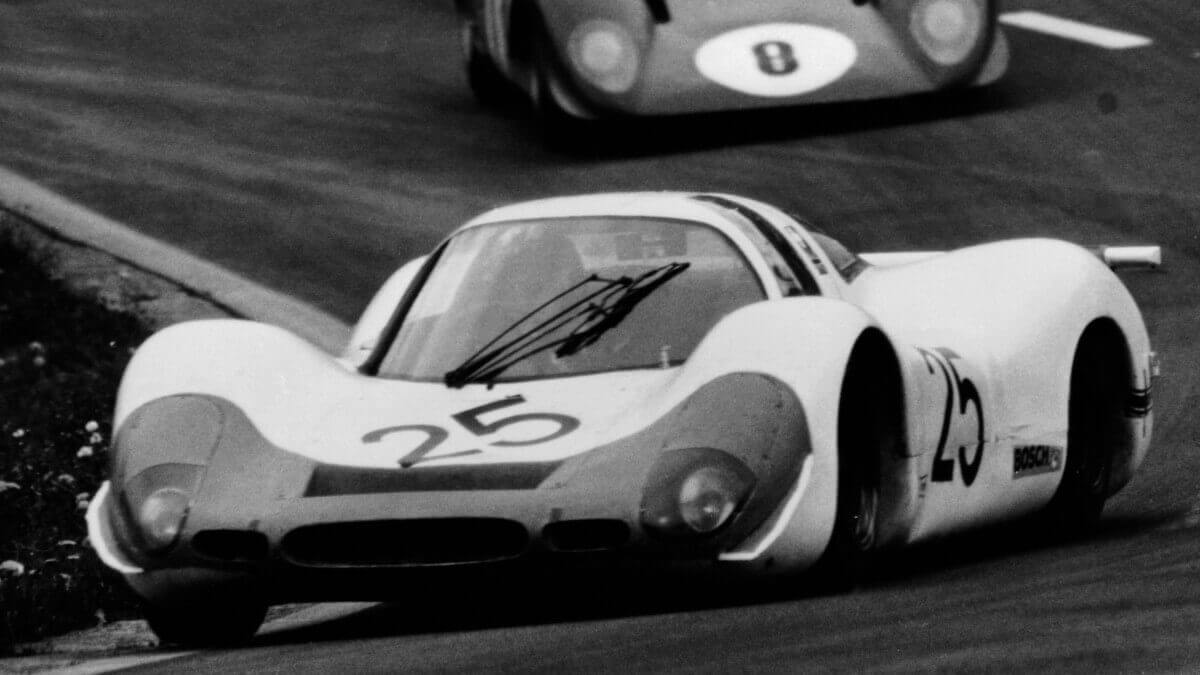
This engine was developed at Porsche since mid-1967 for two reasons. For one thing, the previous eight-cylinder engine was still based on the F1 engine from the 804 and couldn’t be drilled to more displacement anymore. On the other hand Porsche received leaked information about some rule changes of the motorsport authorities for the 1968 season. They wanted to reduce the displacement for sports cars to three liters, because cars like the Ferrari 330 P3 and the Ford GT40 became too fast. When these changes were officially announced in October 1967, Porsche was already well prepared. The new engine was derived from the well-known six-cylinder racing engine. Right at the beginning of the 1968 season, about 350 hp were available to power the also new 908. Later the performance increased to at least 370 hp and in 1975 the 908 Turbo Spyder came around with more than 540 hp. Last private race entries with the 908 took place in 1982. In the meantime Hans Herrmann nearly achieved the first overall victory for Porsche at the 24 Hours of Le Mans in 1969, when he crossed the finish line just 120 meters behind Jacky Ickx in a Ford GT40.
909 Bergspyder
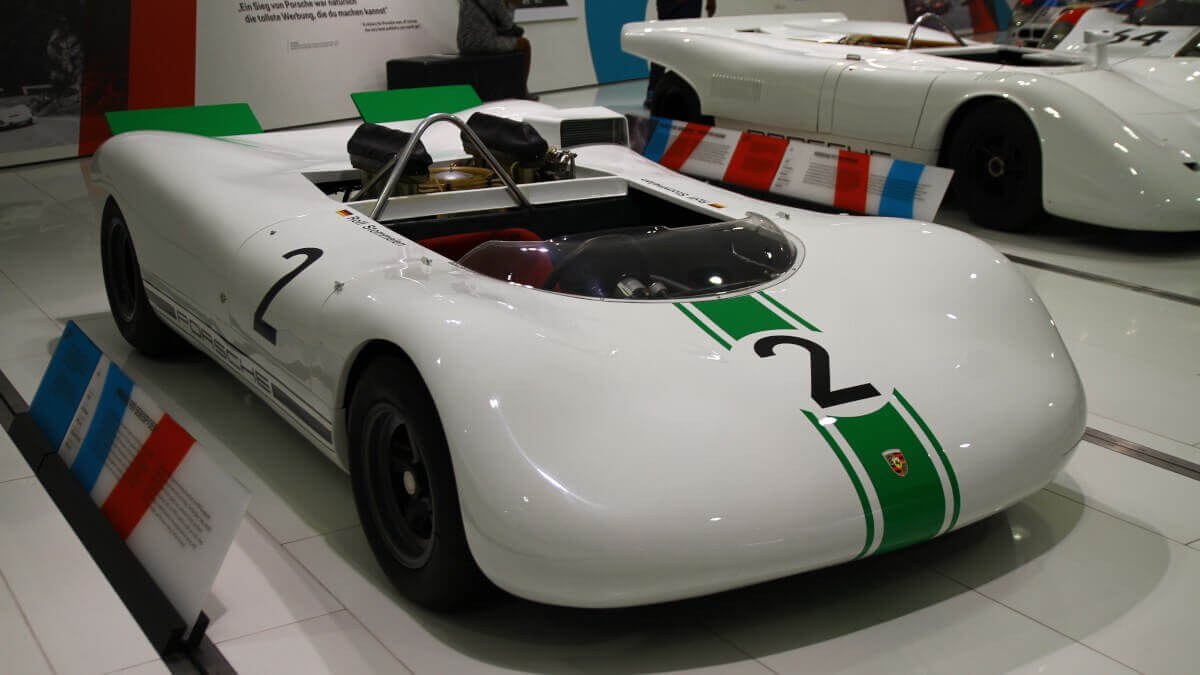
The most extreme racecar from Porsche was used in hillclimb race events during the 1968 European Hillclimb Championship – precisely speaking: in only two events. Both built cars served the works drivers Gerhard Mitter and Rolf Stommelen on the Gaisberg and on the Mont Ventoux as training vehicles. While Mitter both times decided to drive the older 910 Bergspyder and won with it, Stommelen drove the 909 to third place at Gaisberg and to second position at Mont Ventoux. The new race car was extreme due to the focus on pure lightweight construction. A thin-walled aluminium tubular frame was fitted with a few plastic body parts. In addition there was the eight-cylinder engine type 771 with 275 hp as well as 8 inch wide front wheels and 13 inch wide rear tires. The chassis shows longitudinal thrust struts all around and titanium springs at the front axle. Thus the curb weight was only 430 kilograms (dry without liquids: 375 kilograms). Despite only two events, where the 909 was used, it later served as a development car and inspiration for the 908/03 Spyder.



914/8
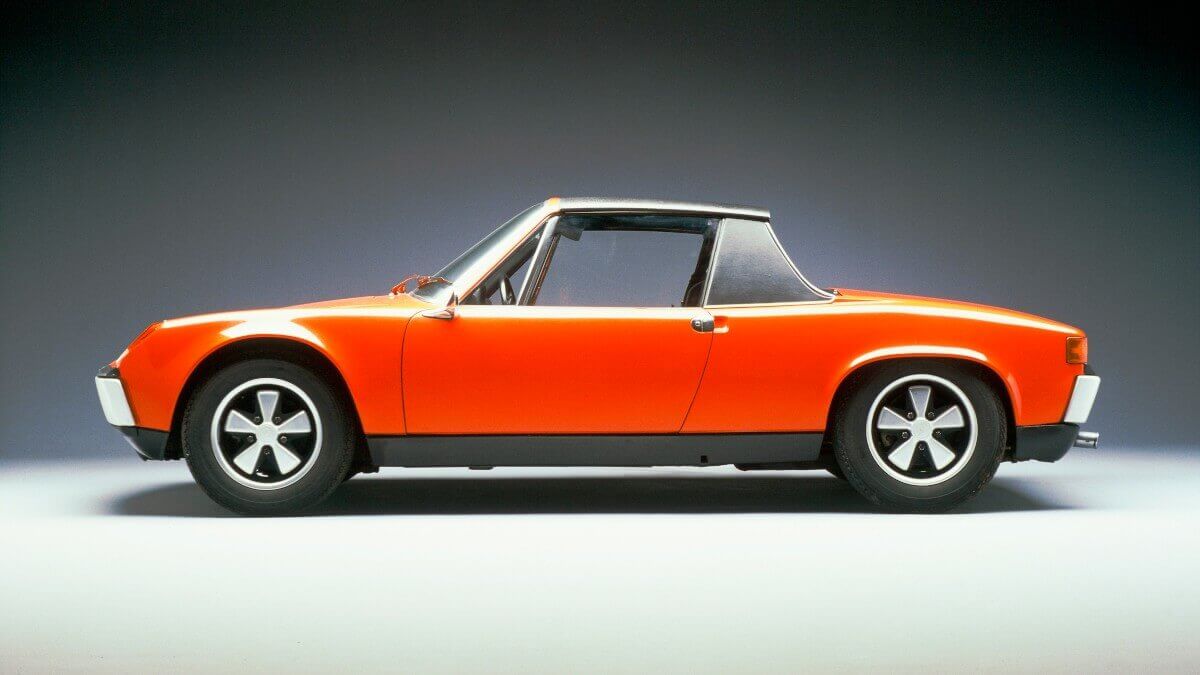
After Porsche initially only equipped some racing cars with eight-cylinder engines, in 1969 in a hidden corner of the racing department a very special road car was built. It used the three-liter engine from the 908/03 Spyder with 350 hp and was installed into a 914 on behalf of racing director Ferdinand Piëch. For this, some changes had to be made in the engine compartment, which, however, had no effect on the size of the rear trunk. From the outside, the one-off differed only by wider folding headlights and the livery in shiny blood orange from normal production models. In the same year a second one-off 914/8 was made for company boss Ferry Porsche. His car received a slightly detuned engine with other valve caps and camshafts, so it developed about 260 hp. Thanks to official road registration with German licenseplates ‘S-R 3000’, Ferry covered around 10,000 kilometers before the car entered the Porsche Museum, where the other 914/8 is parked as well.
928
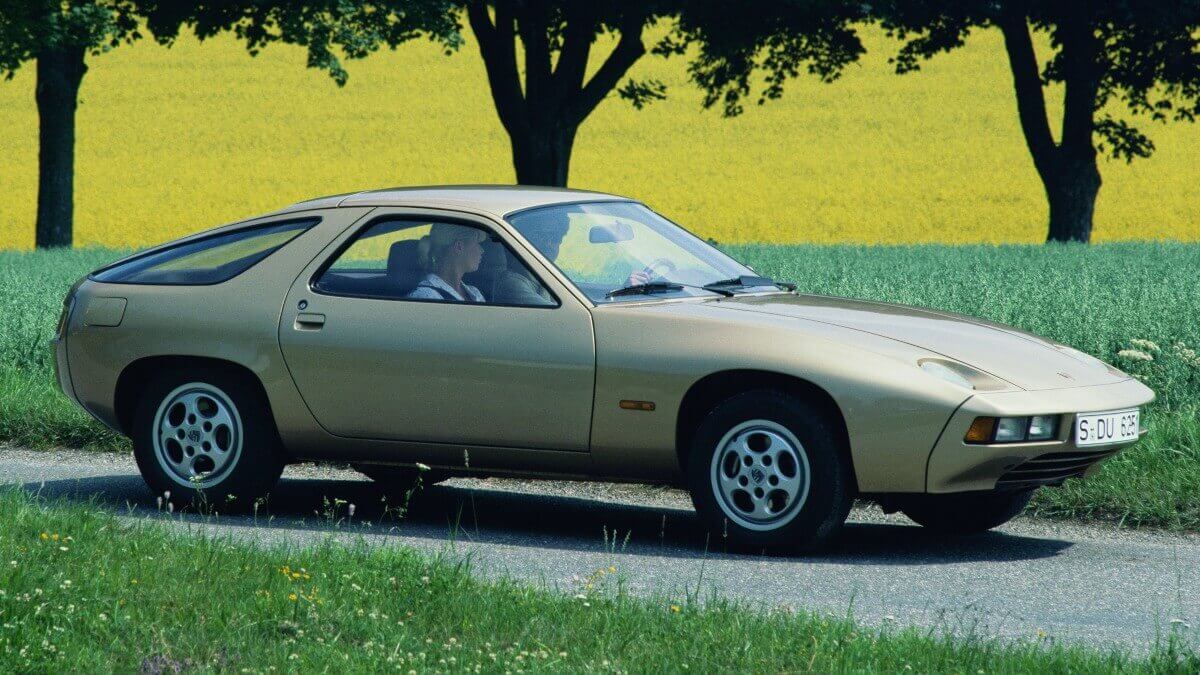
It was not until 1977 that an eight-cylinder production model appeared for the first time in the Porsche model line-up. It received a specially developed, water-cooled V8 engine without direct connections to motorsport technology. It showed 4.5 liters of displacement and in the beginning 240 hp. As with the smaller 924 (later 944 and 968), the manual gearbox or the optional automatic transmission was mounted in transaxle construction at the rear axle. Porsche wanted to inherit the 911 with the 928 and at the same time enter the sporty GT market with the possibility to travel in greater comfort. While the second point worked reasonably well and the sports car even worked as a good towing vehicle for trailers, it never could give the 911 a run for its money. On the contrary, when plans were announced to cancel the 911 in favor of the 928, the sales of the rear-engined sports car increased significantly. Even the technical improvements done until 1995 up to the 350 hp strong 928 GTS couldn’t change anything, which is why there haven’t been a successor to the 928. Today it is a popular classic car with special demand for the cars with manual transmission.
989
From the mid-1980s, Porsche planned the introduction of a new model in the form of a sporty four-door sedan. It should receive a new V8 engine with different power levels and displacement steps between 3.6 and 4.2 liters. Designer Harm Lagaay and Head of Development Dr Ulrich Bez created the project 989, which cost about 600 million D-Mark within a few years. In 1991 Porsche ended both, the project and the contract with Dr Bez. A year later, also CEO Arno Bohm had to leave the company. The prototype was put into storage and is rarely presented in the Porsche Museum.


Cayenne
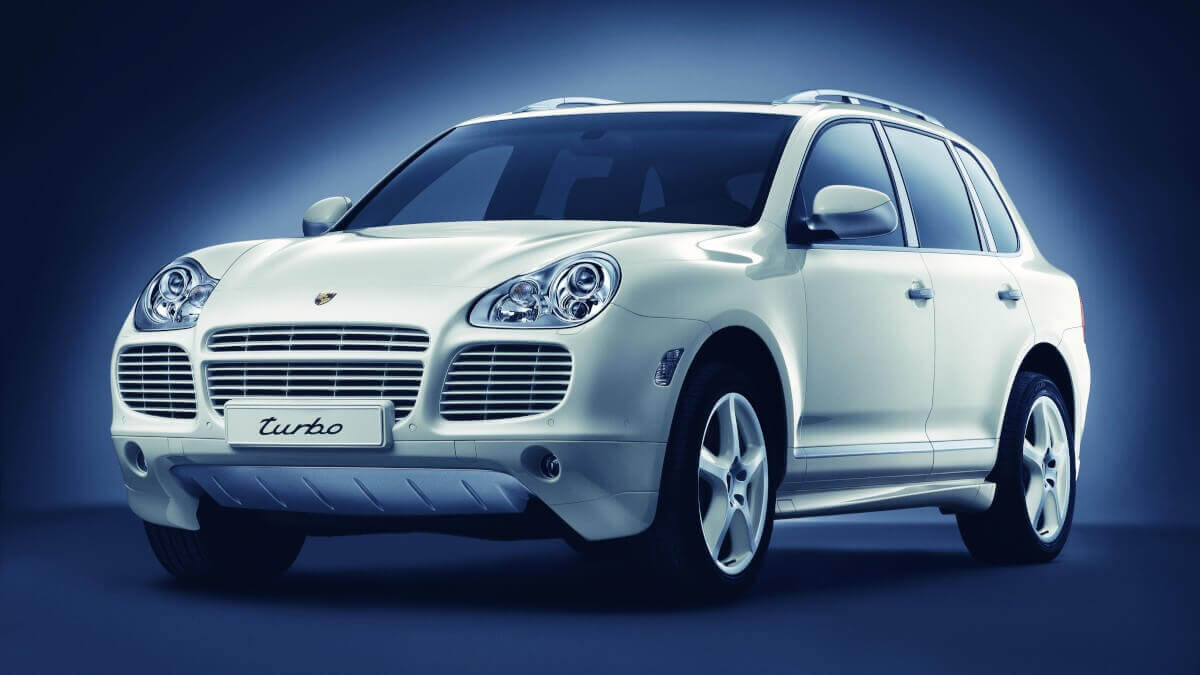
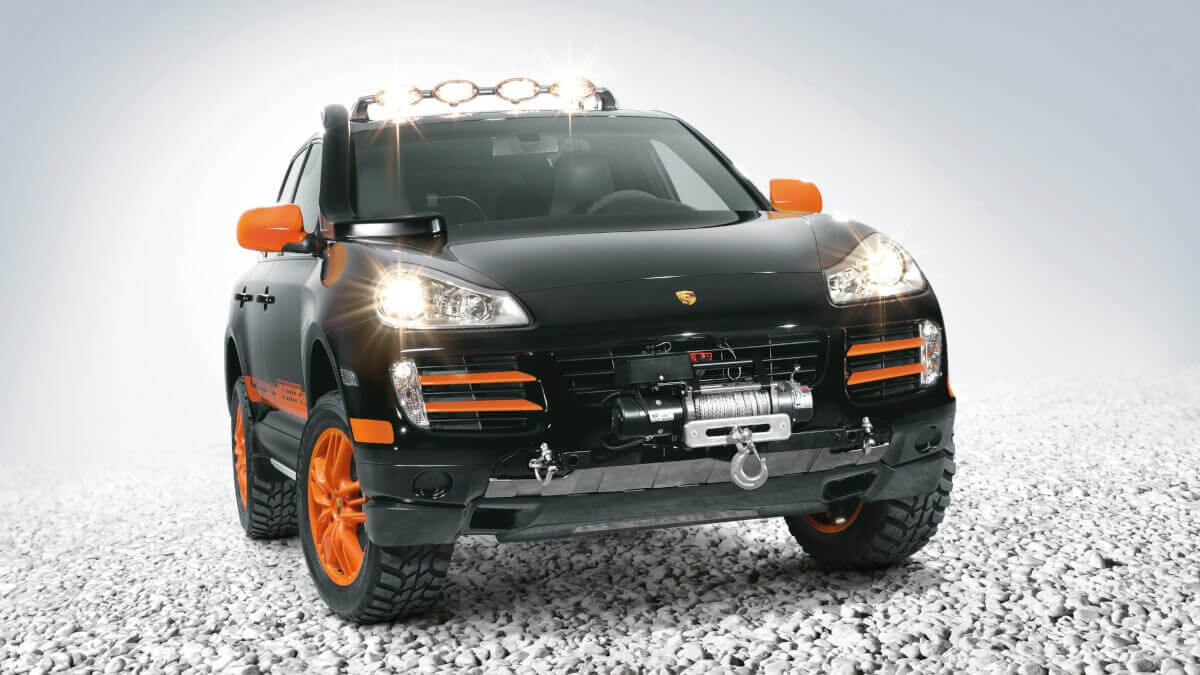
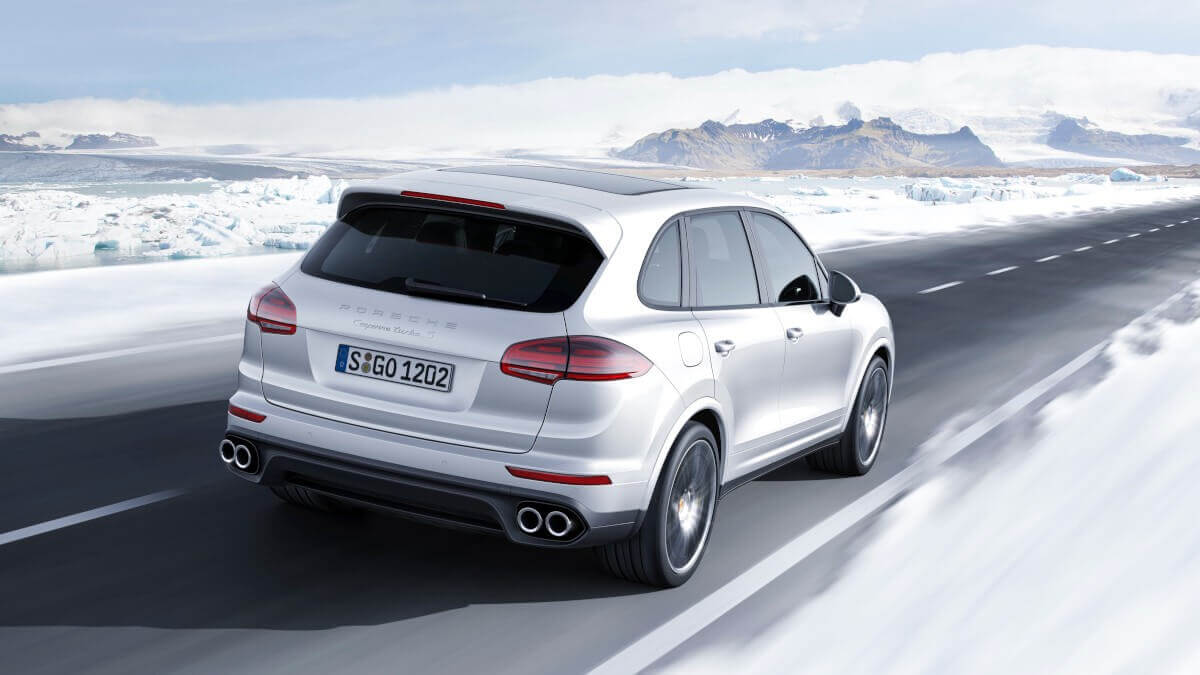
After the development of the sports sedan 989 had not led to a series production, it took until 2002, before Porsche took the next eight-cylinder car into production. Together with Volkswagen and Audi, Porsche developed their first SUV, which eventually was put into production at a new plant in Leipzig. Today, the Cayenne is already in its third model generation, but still available with a V8 turbo engine.
RS Spyder
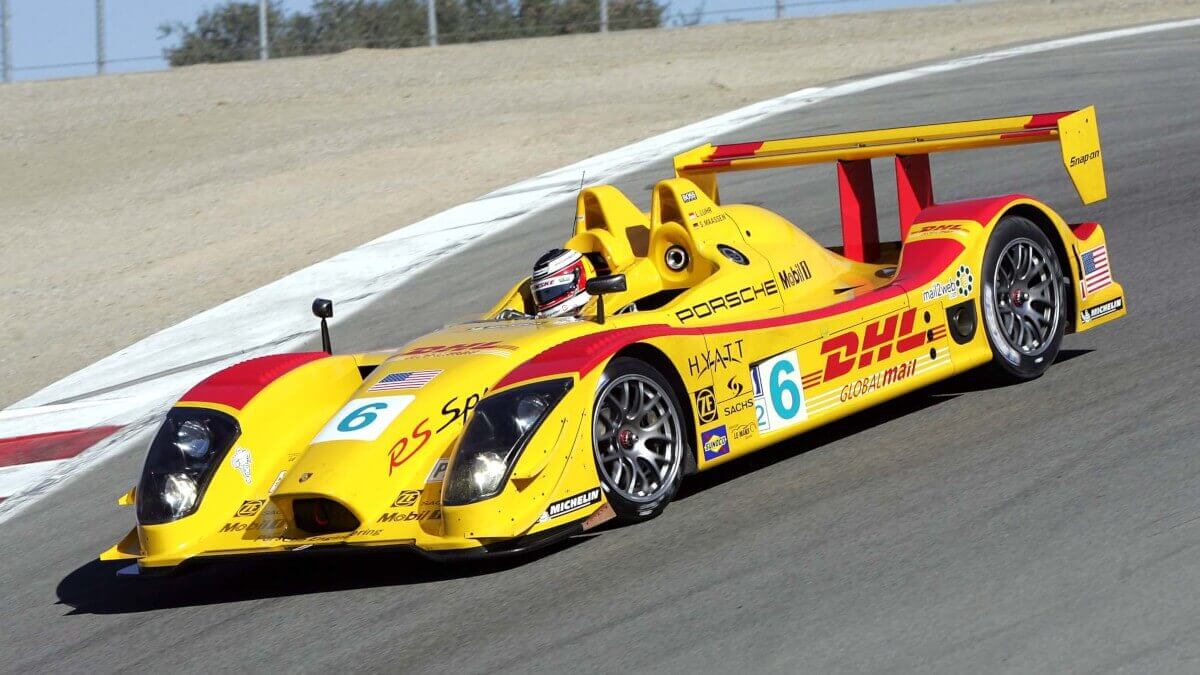
For the LMP2 category of the American Le Mans Series (ALMS) the Porsche RS Spyder was born in the racing department in Weissach, which debuted in late 2005 and was used in the following season exclusively by the racing team Penske. It was not only the first new racecar since the 911 GT1/98, but also the first one with eight-cylinder engine since the 908/03 Spyder. This engine had 3.4 liters of displacement, was naturally aspirated and delivered about 480 hp at 10,300 revs per minute. This power arrives at the rear wheels via a straight-cut, sequential six-speed gearbox. For the following season an advanced version of the RS Spyder with better aerodynamics and more power debuted at the 2006 Paris Motor Show, which was also available for other private teams. By 2010, the RS Spyder had not only gained several class victories, but also 13 overall victories, for which it succeeded against the more powerful LMP1 cars.
Panamera
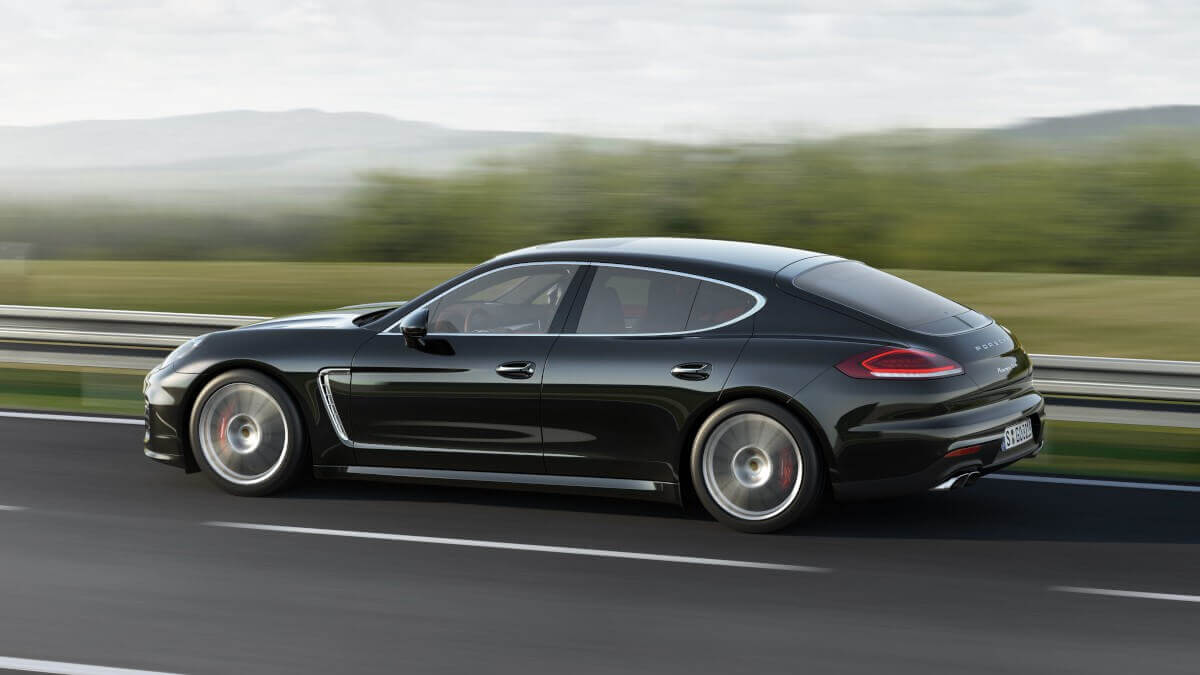
Next to the Cayenne, Porsche presented another four-door car in 2009, but this time a sporty sedan instead of an SUV. With the Panamera they indirectly took the project 989 into production, only about 20 years later. Next to the second model generation Porsche today also offers an estate version called Sport Turismo. Panamera GTS and Panamera Turbo are still available with V8 engines with 460 or 550 hp.
918 Spyder
With the 918 Spyder Concept in early 2010 surprisingly a new supercar debuted at Geneva Motor Show. Until production started in November 2013, Porsche kept the numerous fans worldwide and people who pre-ordered the car in close contact to the development team by publishing interim reports and wrapping the prototypes in old racing liveries, for example by Porsche Salzburg or Martini Racing. In 2011, the racing car study 918 RSR used technical components from the ‘race lab’ 911 (997) GT3 R Hybrid. This already showed a special feature of the later production vehicles: Next to the 4.6-liter naturally aspirated V8 engine two synchronous electric engines were added, bringing the combined power output to 887 hp. Matching the name, only 918 copies were produced for customers worldwide, which were available in two versions. In addition to the normal variant, there was the optional Weissach version with a weight reduction of 41 kilograms and additional aero parts. Especially vehicles in paint-to-sample colors are now rising significantly in value.







At the end of our article series on 70 Years of Porsche, we will feature those vehicles with more than eight cylinders in the near future. Again, there are some exciting stories to report.
Images: Porsche, Matthias Kierse