Toyota Sports 800 GR Concept
In the early 1960s Toyota presented the Publica as a new small car for their domestic market in Japan. The latter is not surprising, because the brand didn’t serve many export markets at that time. Nobody dared to dream of today’s size and production quantities of Toyota. The development of the Publica goes back to a proclaimed concept for the new ‘National Car’, a car for the public masses, by the MITI (Ministry of International Trade and Industry) in 1955. In the concept, the following conditions could be found: a maximum average fuel consumption of only 3.33 liters per 100 kilometers at an average speed of 60 kph, a curb weight below 400 kilograms, more than 100 kph of topspeed and a lifetime of at least 100,000 kilometers without major repairs. The name was based on the English words ‘public car’.
A year after the launch of the small two-door vehicle, Toyota added a three-door station wagon to the model-line and showed the sports car Publica Sports as a concept car with opening glass dome above the passengers for entry and exit. Three years later the series production started and the car was now marketed under the name Sports 800 due to the increased displacement from 700 to 800 cubic centimeters. The two-cylinder boxer engine now made 45 hp, which was sufficient for a topspeed of 160 kph, due to the low weight of 580 kilograms and the aerodynamically drawn body. The aircraft engineer Tatsuo Hasegawa and the former Datsun designer Shozo Sato collaborated on the design of the car and used a wind tunnel for the first time. Above the passenger’s heads, they envisioned an aluminium targa roof, making the Sports 800 one of the first production cars to feature this roof concept. Of the 3,131 vehicles built between 1965 and 1969, only about 300 received the steering wheel on the left side to be offered in the US-occupied Okinawa with right-hand traffic.

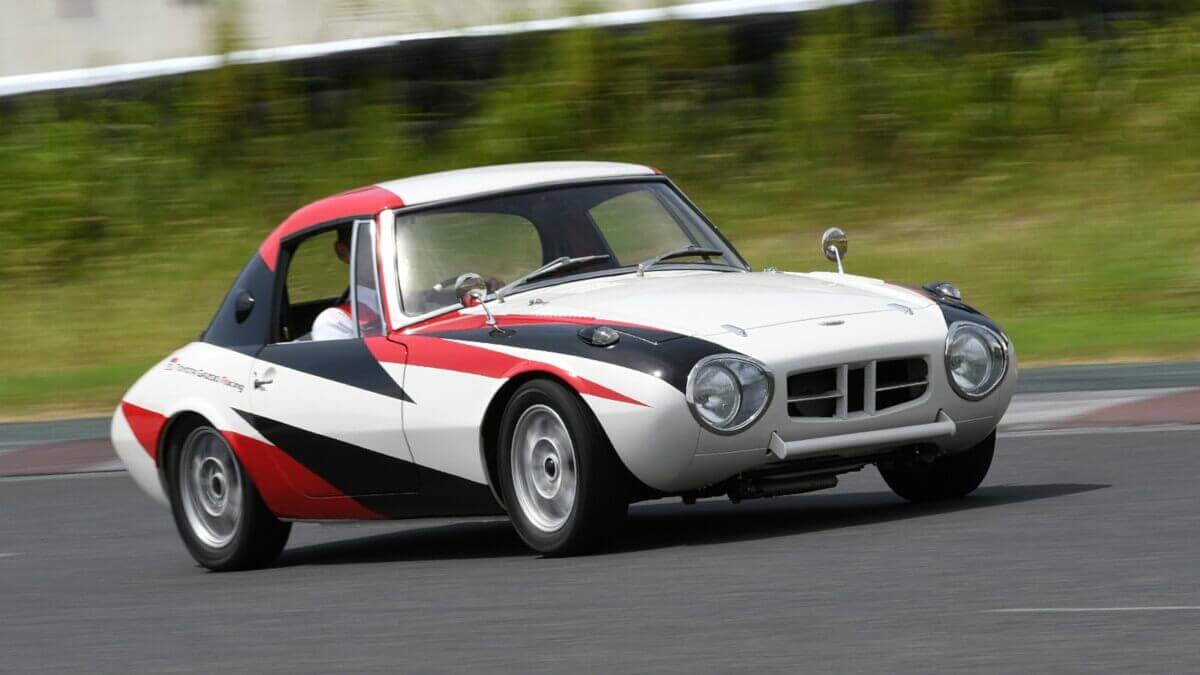
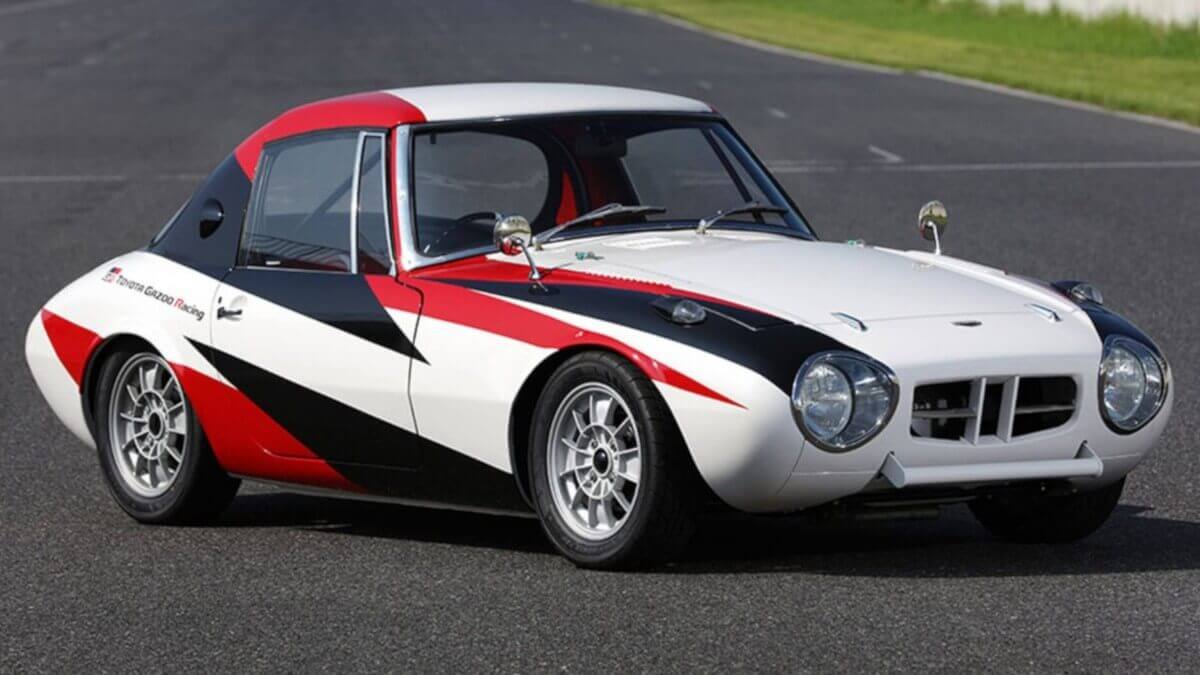

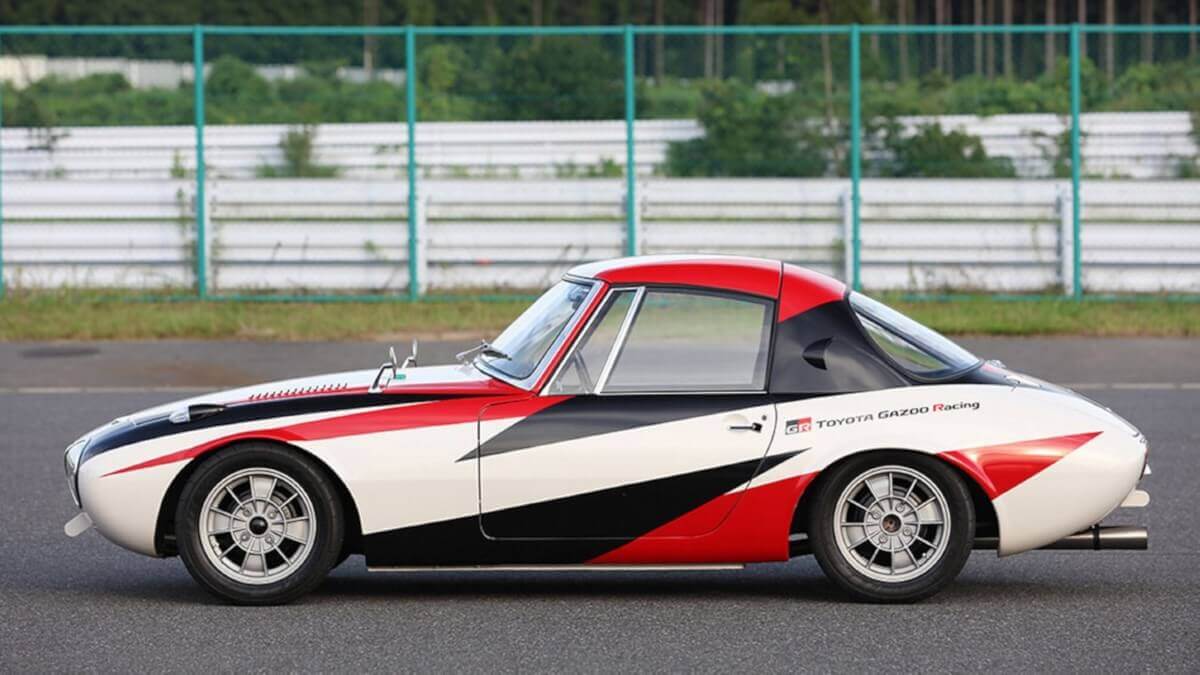

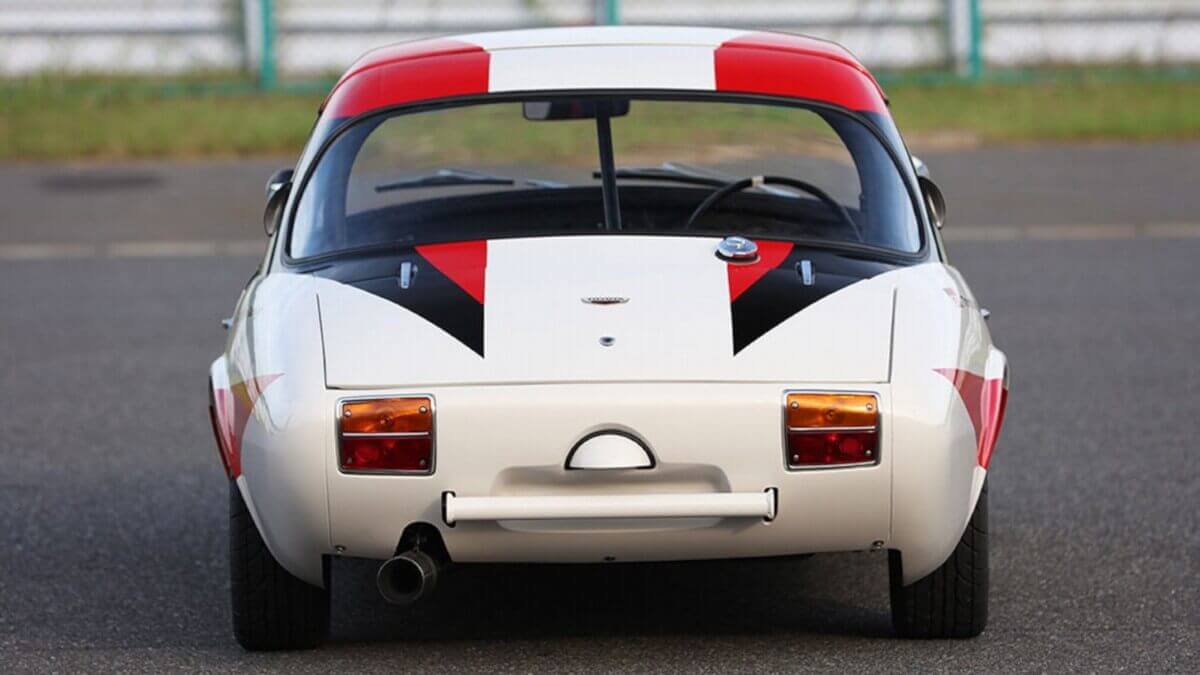

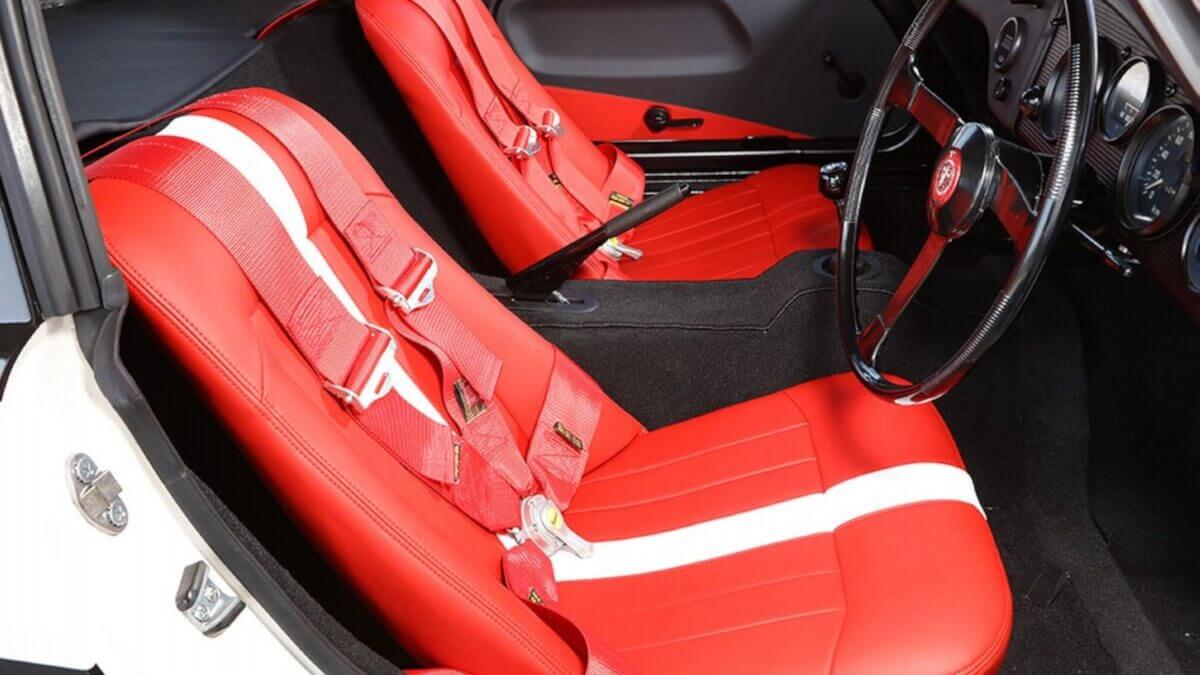
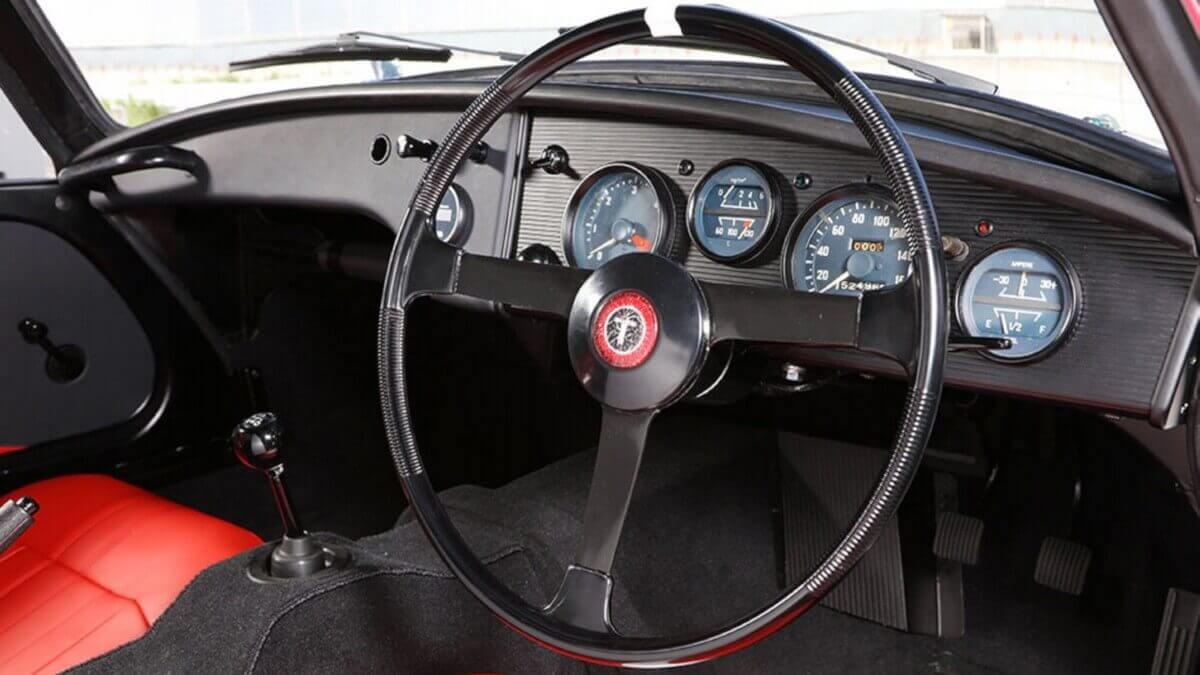




Four very early Sports 800 were used by Toyota as racecars for the very first 500-km endurance race in Suzuka 1966. Compared to the competitors like Lotus Elan, Datsun Fairlady 1600, Datsun Skyline GT and Honda S600, the Toyota had significantly less power. But they could convince with a much lower fuel consumption, which paid off over the distance. At today’s Formula 1 racetrack in Suzuka, there were only six refueling points at that time and all teams had to clearly plan their pit stops early enough. The Toyota drivers looked at this from the track and waived stops in the pit lane for the full 500 kilometers over 84 laps. This enabled them to achieve an incredible double victory – so unbelievable that the race director then had the the vehicles inspected, because he thought the car could have hidden additional fuel tanks onboard. Instead of these, however, they found fully compliant cars, in which even about a third of the original amount of fuel was still in the tanks.
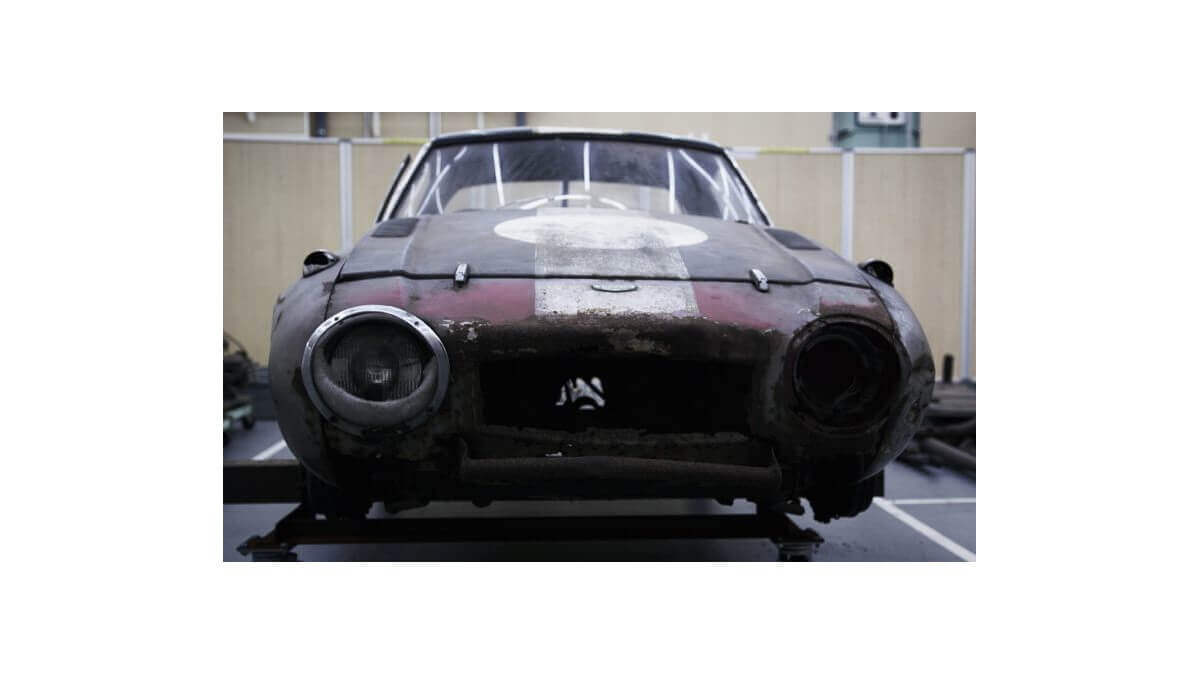
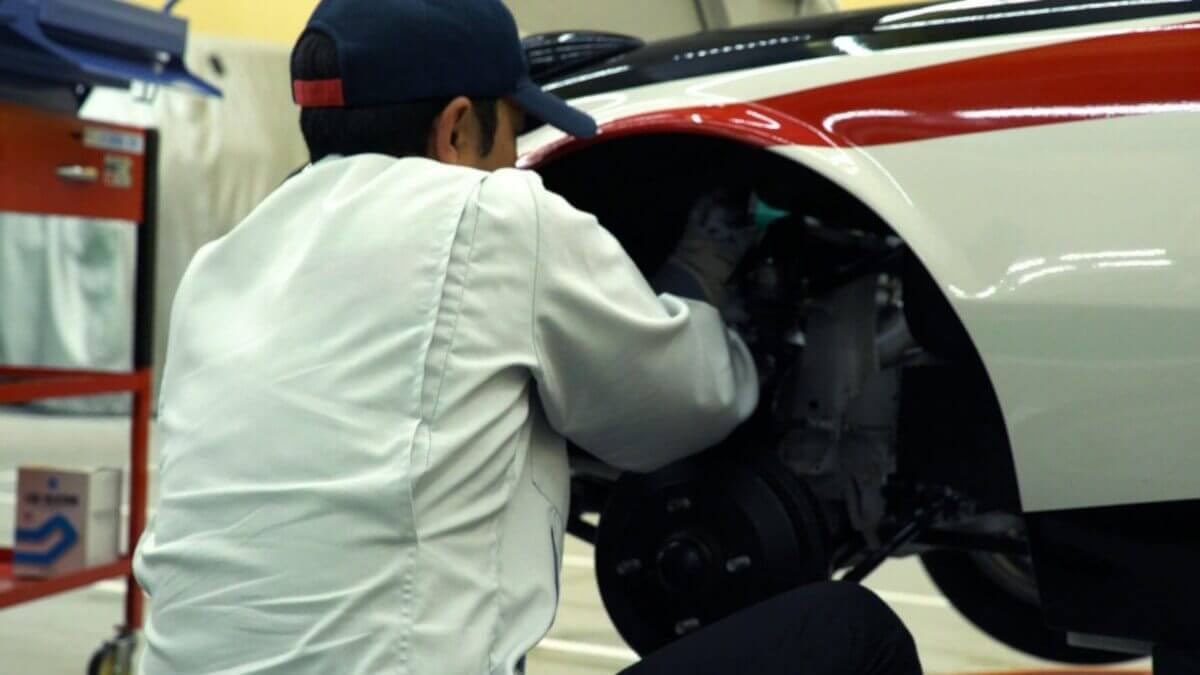
The second place vehicle of Mitsuo Tamura with start number 3 was sold as well as the other racecars afterwards. Recently it reappeared in a pitiable condition in a Japanese garage. Based on the very low chassis number 10007, the history of this vehicle could be quickly detected. Afterwards, the wreck was taken to the factory race team Gazoo Racing for restoration and, with the help of some Sports 800 owner’s clubs, was restored to the condition the car had at the start line of the Suzuka race. For this a good 50 percent of the body had to be rebuilt. Various spare parts were handcrafted. However, the car received a white finish with black and red decor in Gazoo style.
Images: Toyota