Sympathy for the Devil: 35 years of the Lamborghini Diablo
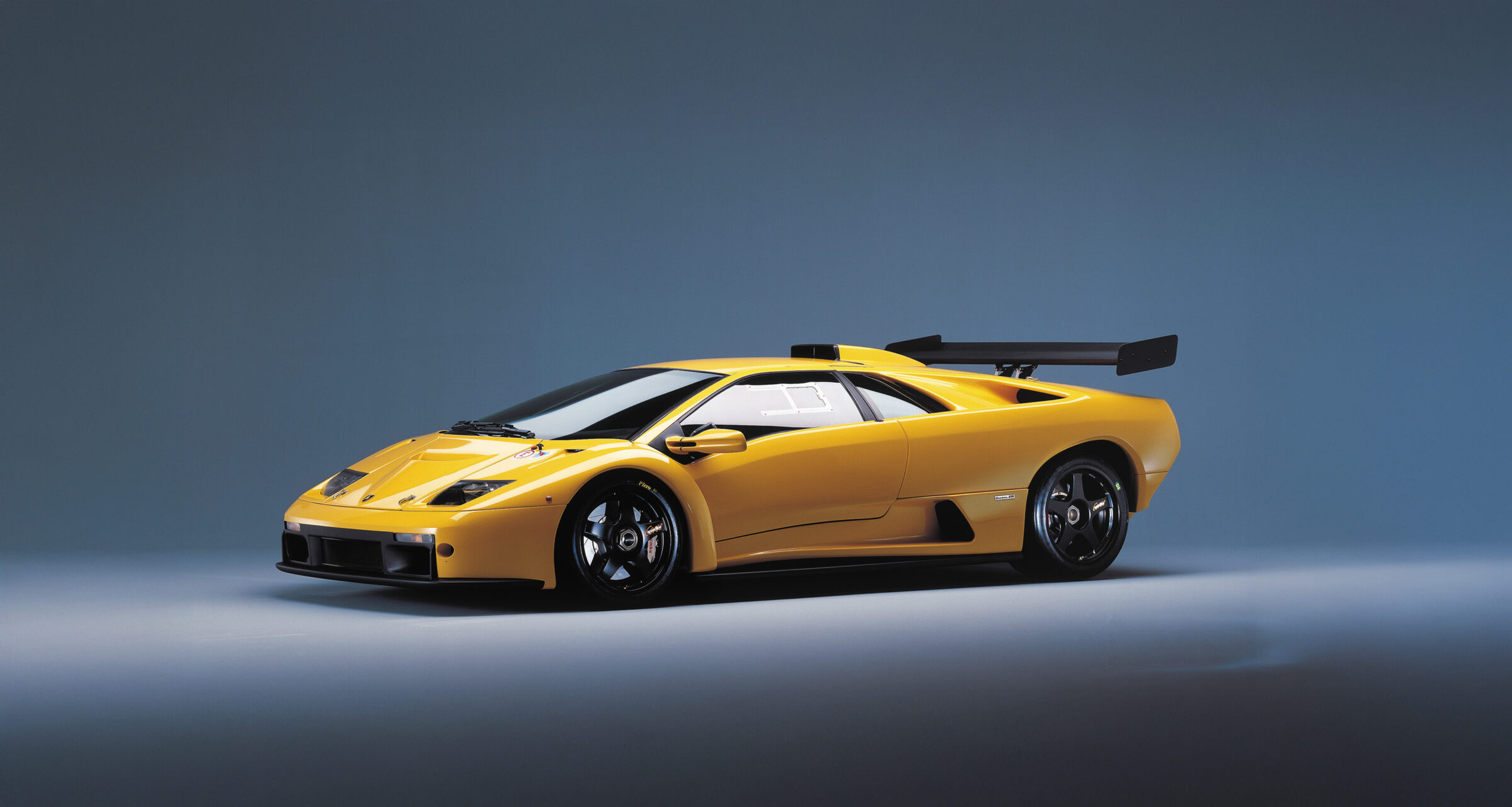
Nomen est Omen? Perhaps. When you name a supercar after a devil, no one expects mere obedience. They expect fire, resistance, and pure emotion. The Lamborghini Diablo was exactly that: a mechanical beast that needed to be tamed. More than three decades after its debut, we look back on the wild ride of the bull that catapulted Lamborghini into the modern era.
It took an agonizing 16 years for Lamborghini to find a worthy successor to the legendary Countach. But when the Diablo finally hit the asphalt in 1990, it was more than just a successor. It was a statement. Named after a fighting bull that fought a legendary duel with the bullfighter ‘El Chicorro’ in Madrid in 1869, this car carried its fighting spirit in its name. From today’s perspective, where electrified family station wagons sprint from zero to 60 mph in three seconds, 362 kW (492 hp) may seem almost modest. But let’s not kid ourselves: in 1990, that was absolute monarchy in the fast lane. The 5.7-liter naturally aspirated V12 roared the Diablo to what was then an inconceivable 200 mph.
“He was loud, he was wide, and he was the undisputed king of the highway.”
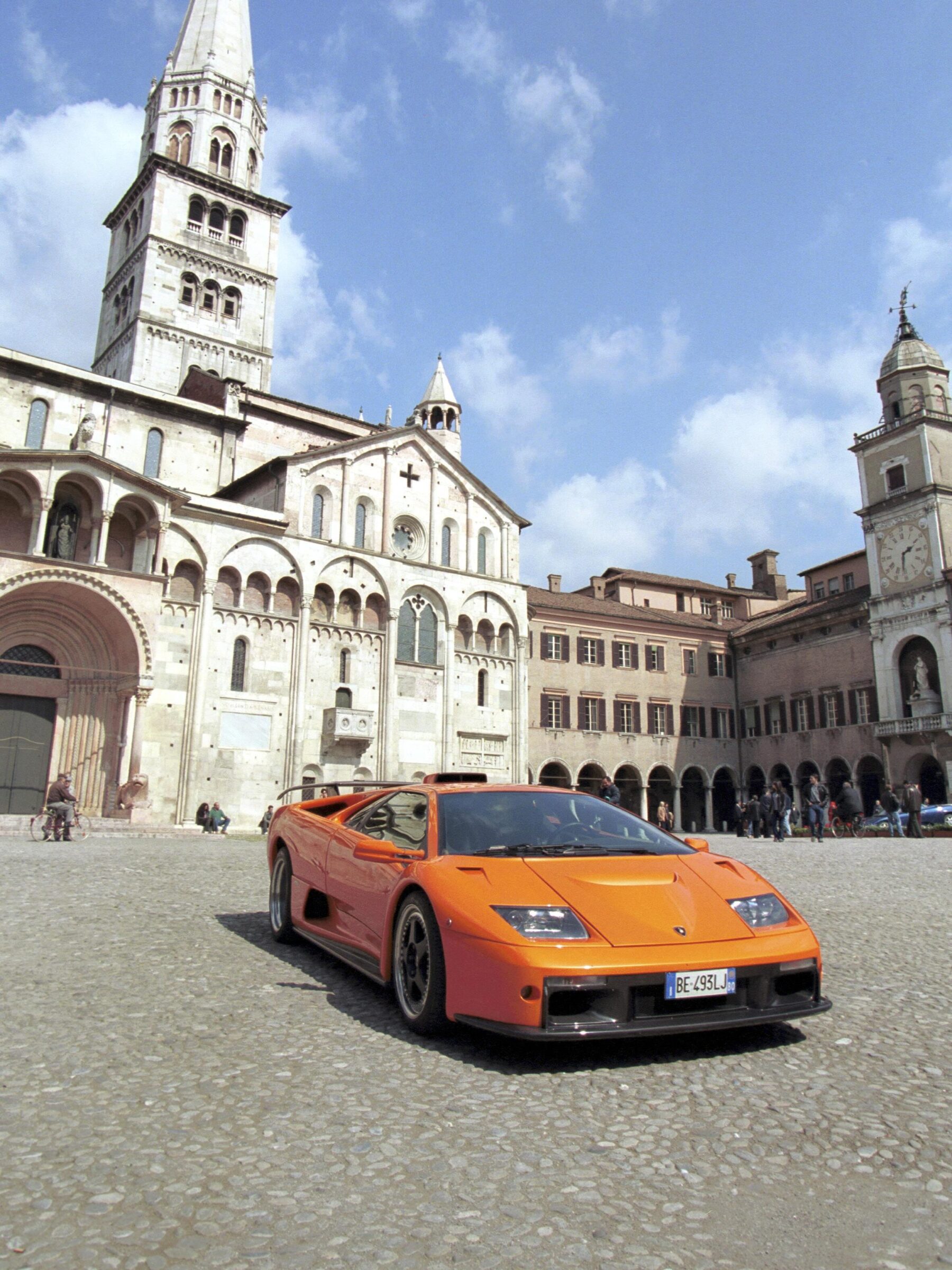
The creation of the “Devil” was anything but heavenly. Lamborghini was in the midst of an identity crisis. After various changes of ownership and quality lows with the late Countach, “Project 132” under Patrick Mimran was supposed to bring salvation. But there was no money. It was only when US giant Chrysler took the helm in 1987 that things started to move forward – and drama ensued.
Chrysler wanted to soften the design, but they hadn’t reckoned with Marcello Gandini. The maestro of wedge design was so offended by the American requests for changes that he promptly sold his original design to Claudio Zampolli. Connoisseurs today know the result as the Cizeta-Moroder V16T – the Diablo’s visual twin. In the end, Chrysler relented, Gandini’s lines were (largely) retained, and the drag coefficient was drastically improved compared to the Countach. At least until the customer ordered the optional giant rear wing, which ruined the aerodynamics but looked damn good.
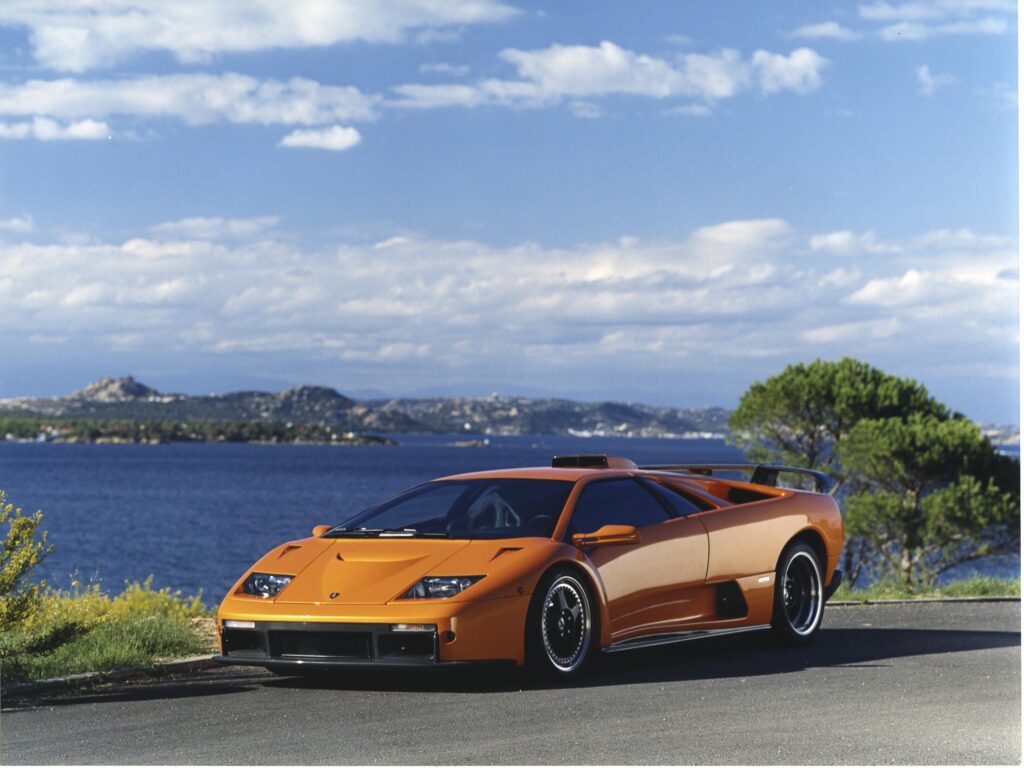
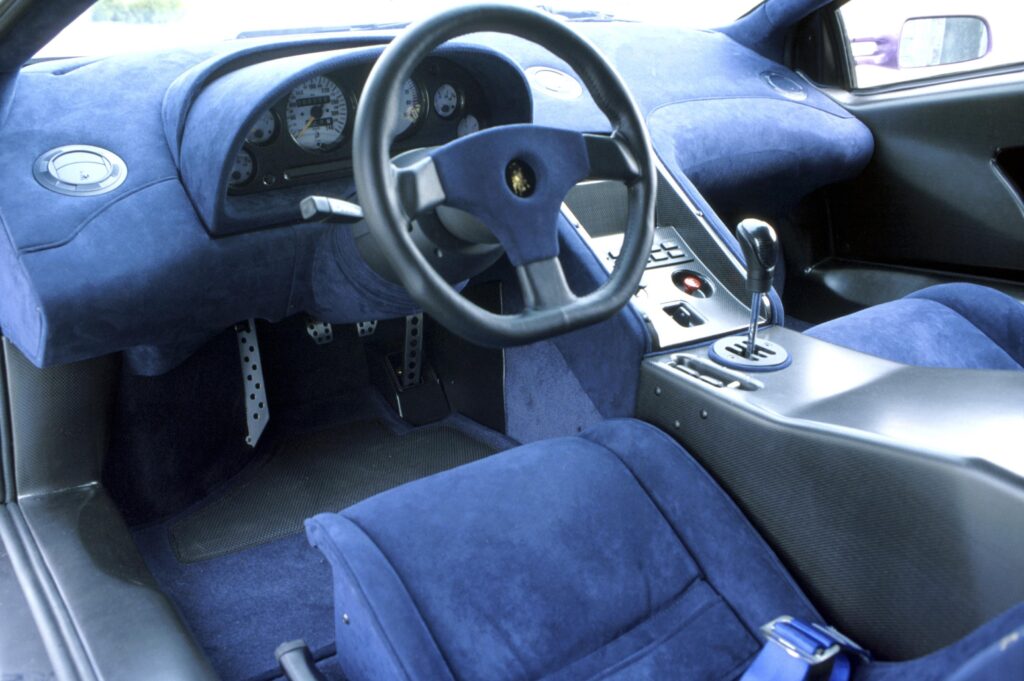
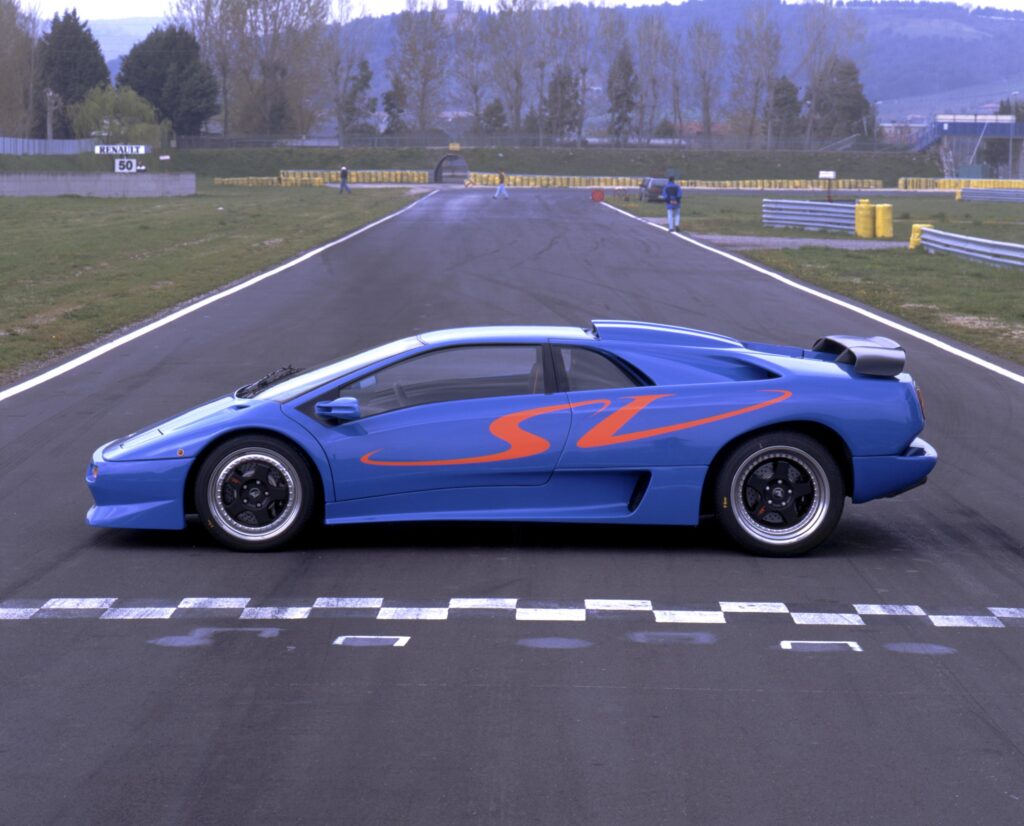
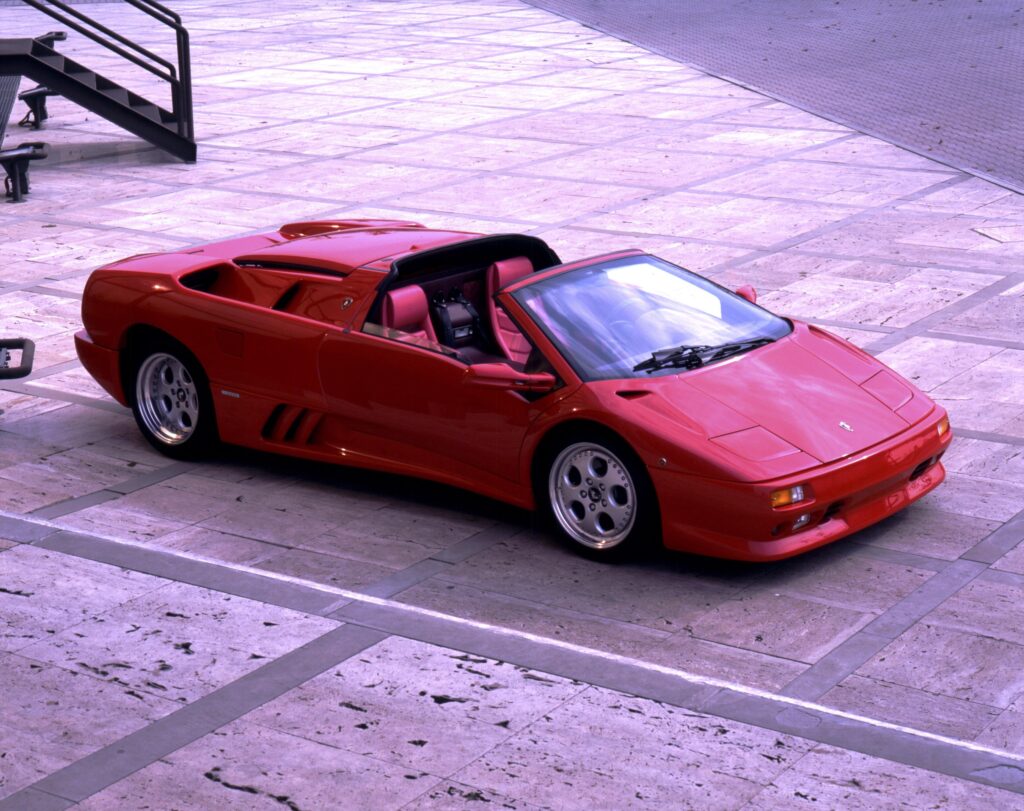

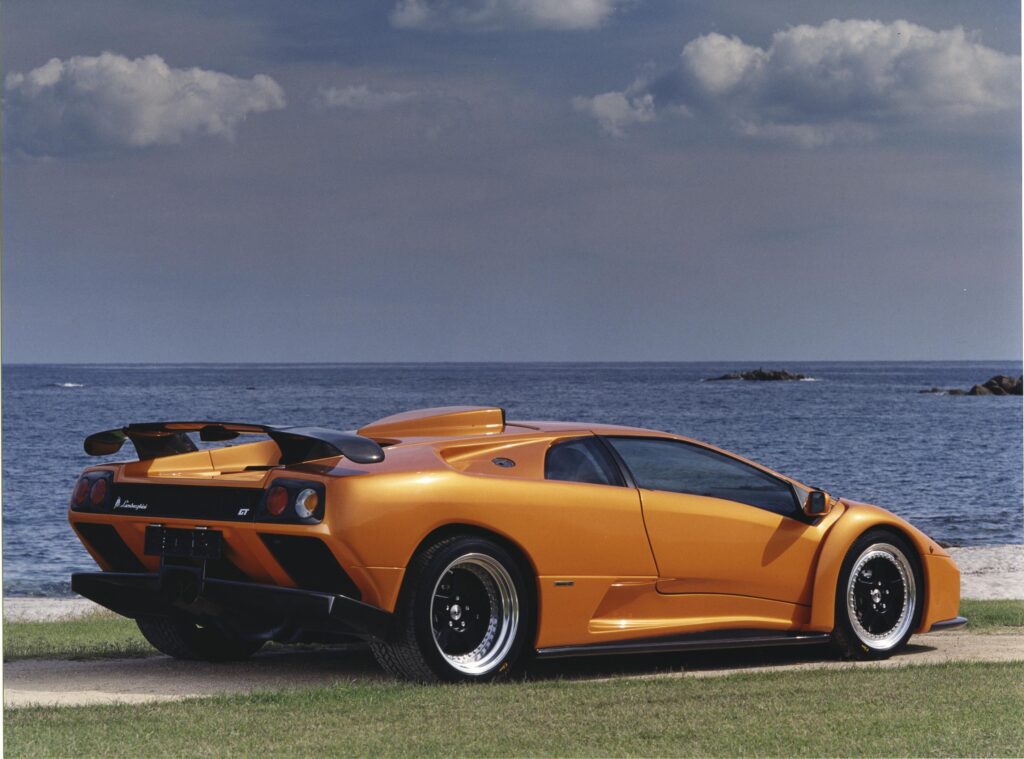

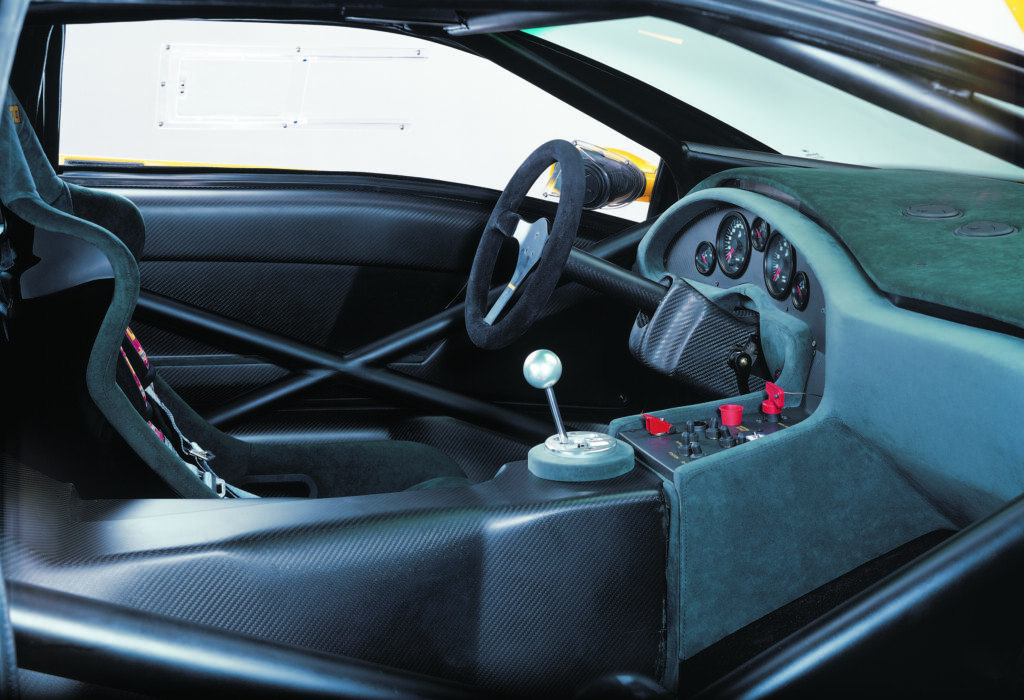
Beneath the steel, aluminum, and (for the first time) carbon fiber exterior was an improved tubular frame chassis. But inside, it was a world of contrasts. While Gandini created Italian drama on the outside, Chrysler had the cockpit designed in Detroit. The result was a curvy dashboard that was suspiciously reminiscent of the Dodge Viper, which was developed at the same time.
If you wanted to drive the Diablo, you had to work for it. No dual-clutch transmission, no paddle shifters. Just an honest, manual five-speed transmission with an open gate. Owners cursed the clutch pedals, which required calves of steel, and a gearshift that demanded precision and strength. But that was precisely what made it so appealing: it was like wrestling with a bull.
VT and SE30: All-wheel drive revolution and purple dreams
Three years after its launch, Lamborghini ignited the next stage: in 1993, the Diablo VT (Visco Traction) brought all-wheel drive to a super sports car from Sant’Agata for the first time – if you disregard the off-road monster LM002. Suddenly, the bull was controllable, power was directed to the front wheels when needed, and power steering made parking a feat of strength a matter of feasibility.
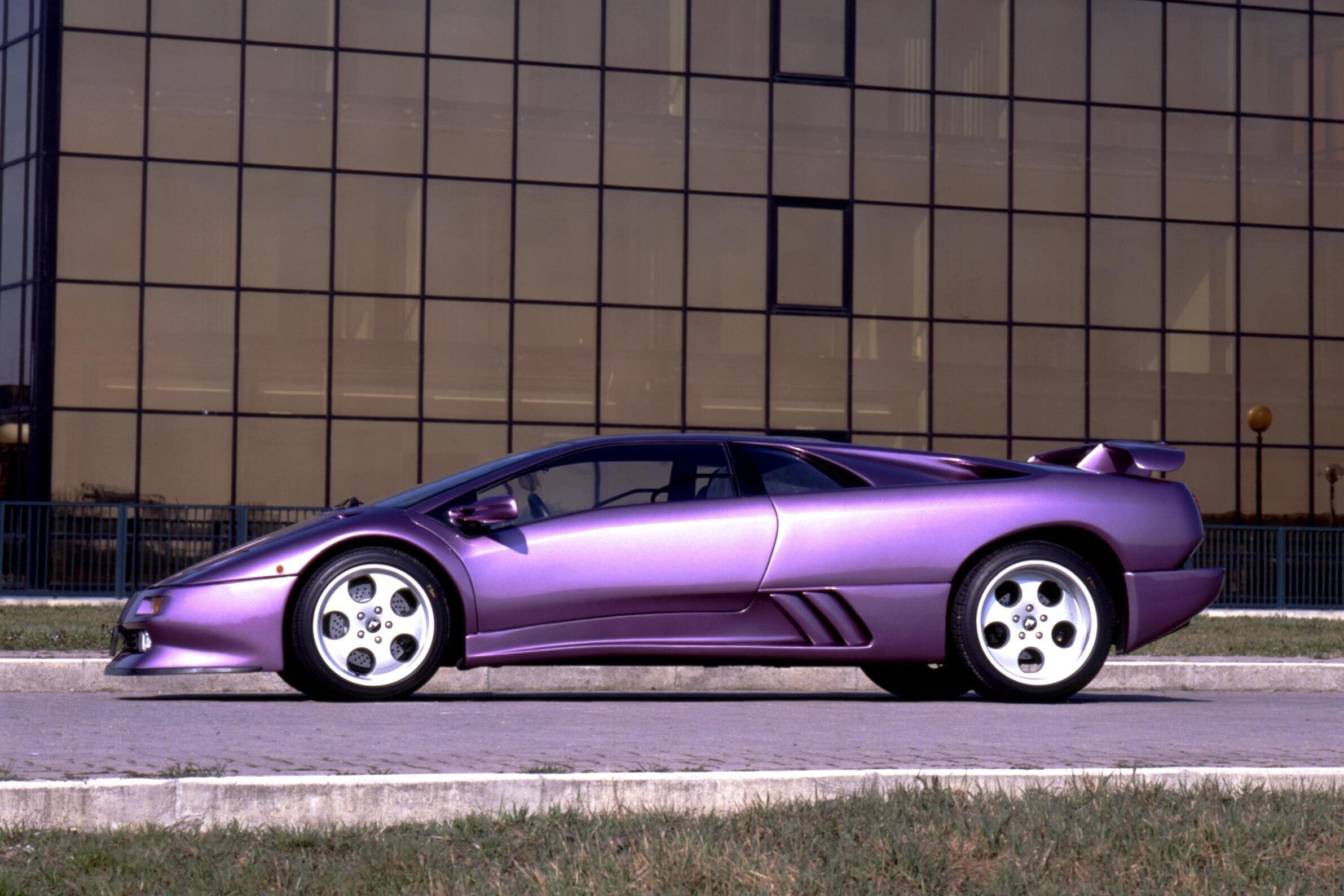
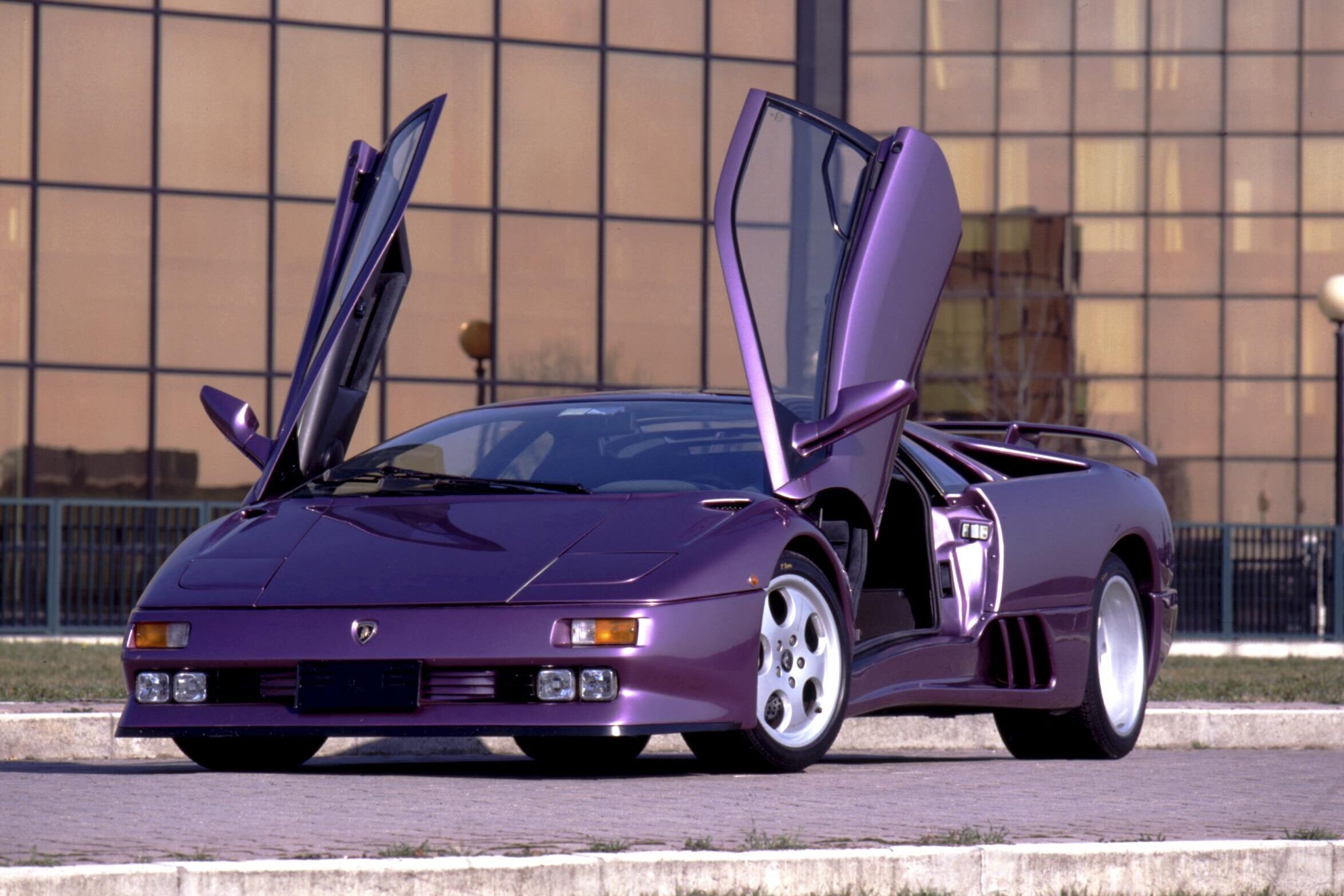
But the real highlight for purists came on the company’s 30th anniversary: the Diablo SE30. A lightweight monster limited to 150 units in the iconic color “Viola SE 30” (metallic purple). The brave ordered the “Jota Kit” as well, which boosted performance to a wild 596 hp and installed two striking air intakes on the roof. At the same time, the sky opened up: with the Diablo VT Roadster, Lamborghini offered an open–top V12 for the first time in 1995. The hardtop had to be laboriously strapped to the hood, but the sound of the twelve–cylinder engine in the back of your neck made up for all the effort.

The beginning of the Audi era, the facelift, and the finale.
Everything changed in 1998. Audi (and thus the VW Group) took the wheel. The first official act from Ingolstadt? An end to rear-wheel drive in the SV Roadster (which is why there are only a handful of them) and a massive quality offensive. In 1999, the Diablo got its big facelift. The most striking feature: the pop-up headlights disappeared and were replaced by clear glass lights. A charming detail for car nerds: these headlights were licensed from the Nissan 300ZX Z32. Under German management, the power output rose to 530 hp, and the interior was completely redesigned.
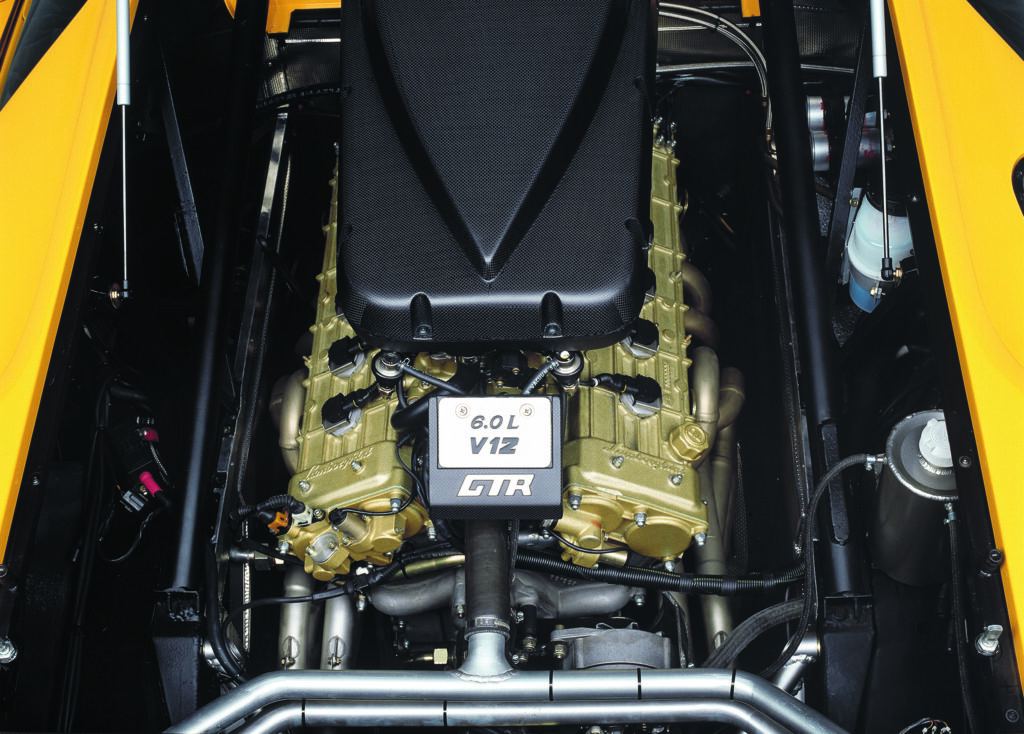
For the grand finale shortly before the turn of the millennium, Lamborghini went out with a bang: the Diablo GT (only 80 units) and the pure racing car GTR brought displacement increases to 6.0 liters and up to 596 hp. When the final curtain fell in 2001, the Diablo had surpassed the Countach not only in terms of production time, but also in terms of unit numbers. A total of 2,903 units left the factory. The last gasp was the Diablo VT 6.0 and the final “SE” edition in gold and brown. After that, the devil handed over the reins to the Murciélago, designed by Luc Donckerwolke.


Conclusion: The Diablo was the link between Italy’s old, chaotic craftsmanship and the modern high–tech era under Audi. It was imperfect, brutal, and beautiful. A real badass, in other words.