Panther J72
British cars with a wildcat in their name come from Jaguar. So far, so true. However, from 1972 onwards, there was another car brand that met both of the above requirements. This was Panther Westwinds from Weybridge. Company founder Robert Jankel briefly worked unsuccessfully as a car salesman after leaving school and then joined Goldfields, a children’s and youth fashion company owned by his family. However, he was soon drawn back to cars and so in 1972 he sold his shares and founded Panther Westwinds. Based on high-volume technology and drivetrains, he wanted to create independent vehicles that would be sorted into the sports car and luxury car categories. In 1980, the company was doing so badly financially that Robert Jankel finally sold it. The new owner was the South Korean company Jindu Industries, headed by Young C. Kim. In November 1986, the SsangYong Group took over and incorporated Panther into its existing car division.
Panther 6 and J72 are still known today
Until 1990, the vehicles were produced in Great Britain, then in South Korea until 1992. After that, SsangYong concentrated on the production of off-road vehicles. Robert Jankel managed to buy back the Panther brand name in 2001. He actually wanted to return to the sports car business once again and worked on a new model for this purpose. Due to his death on May 25, 2005, his work came to a halt. Today, especially the open sports cars with looks inspired by pre-war cars are well known. However, there is a special model that also makes the hearts of car fans beat faster. In 1977, Robert Jankel presented the Panther 6, whose name referred to the number of wheels. The two steerable front axles with 14-inch wheels took up the design principle of the Tyrrell P34 from the Formula 1 World Championship. Behind the passengers was an 8.2-liter V8 engine from Cadillac with twin turbochargers. Only two units were built.









Various model series until 1987
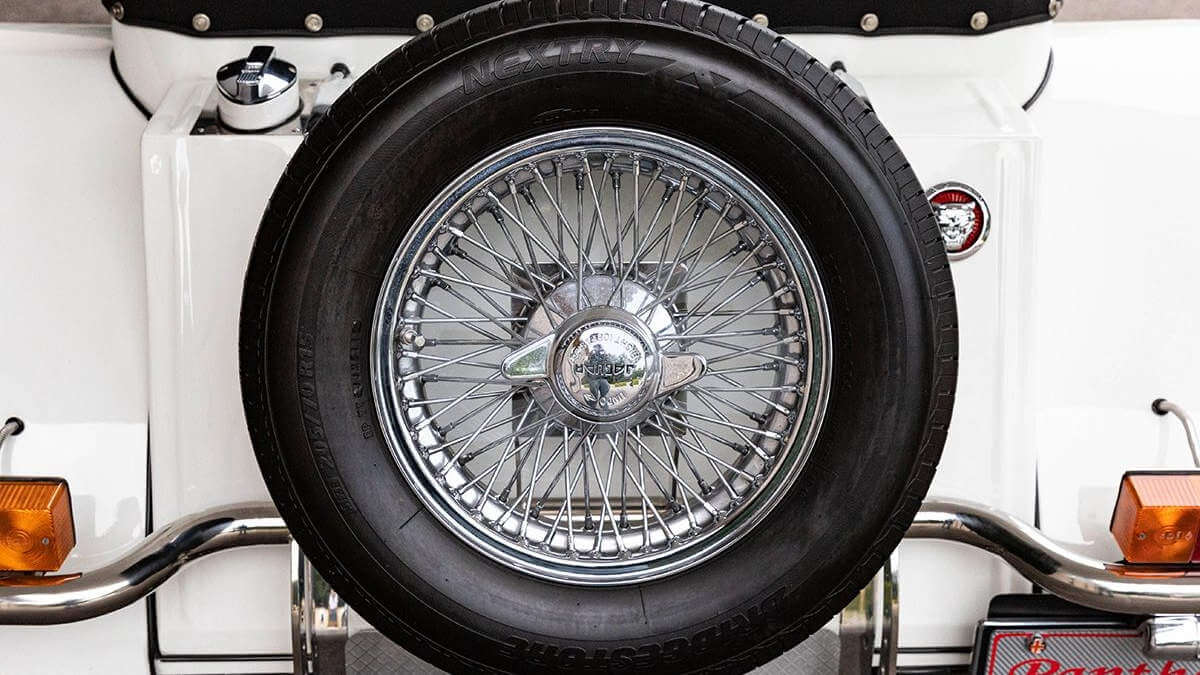
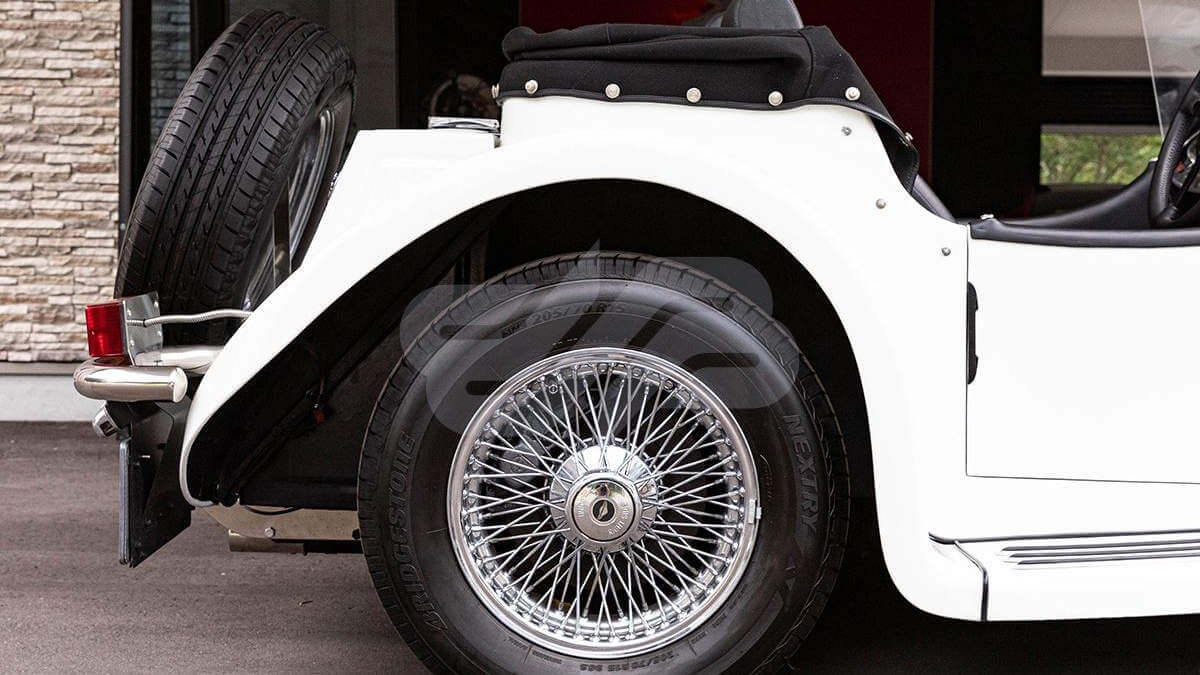
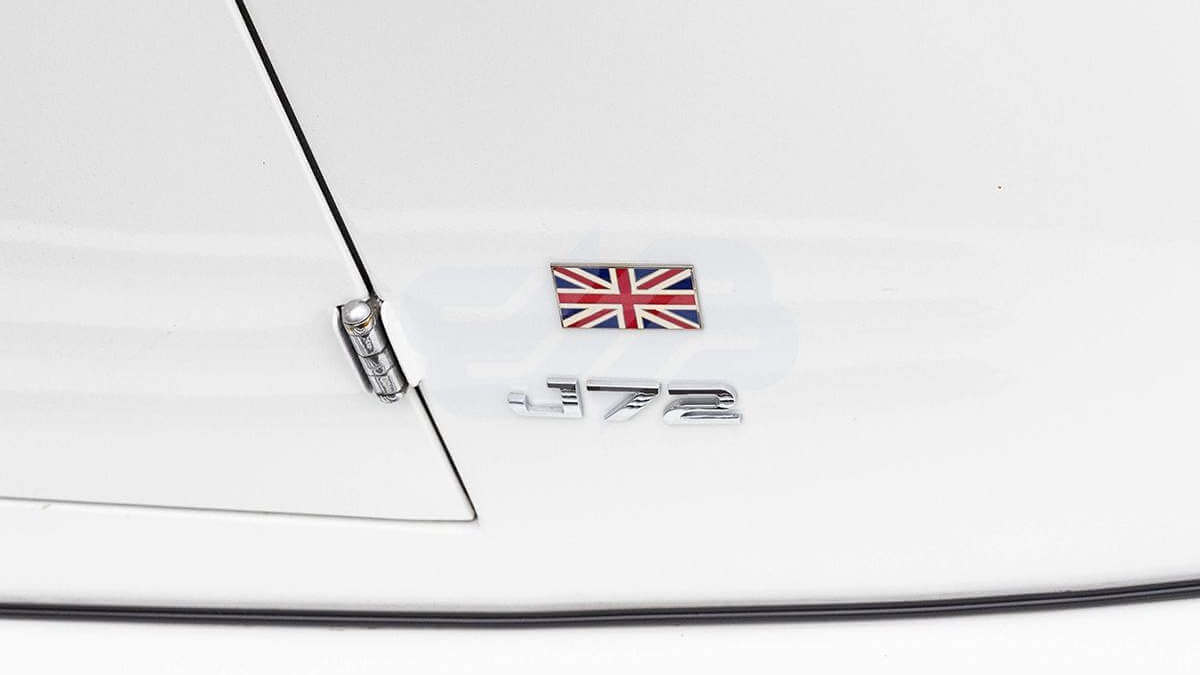
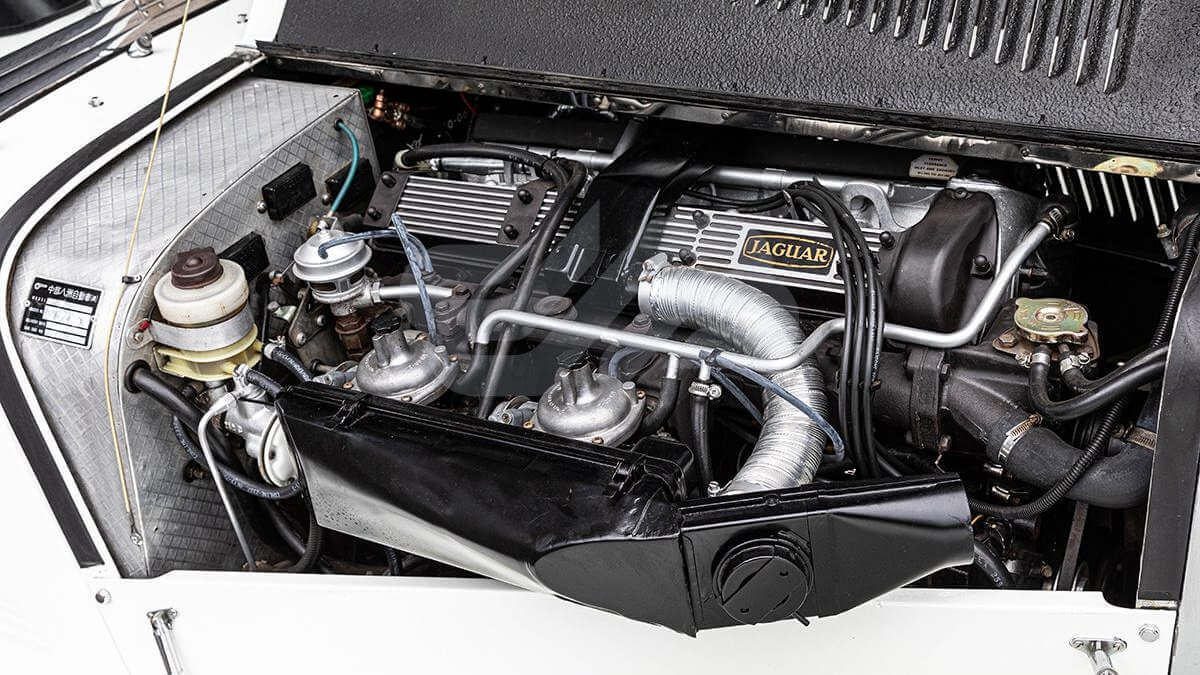
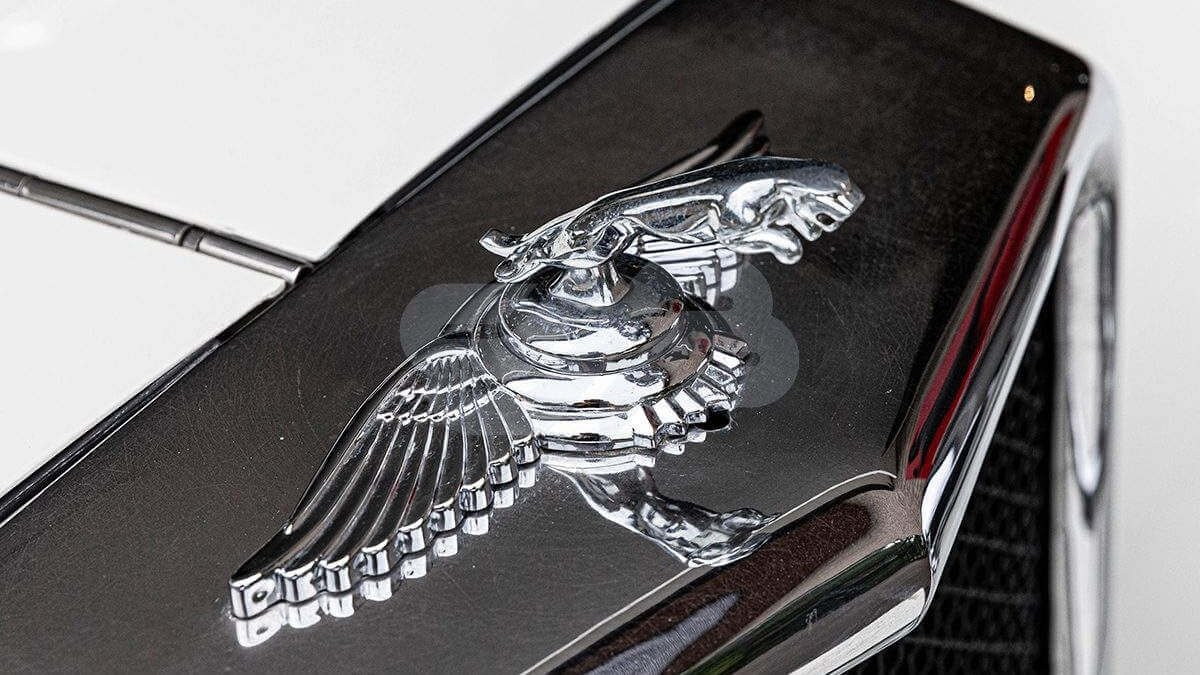
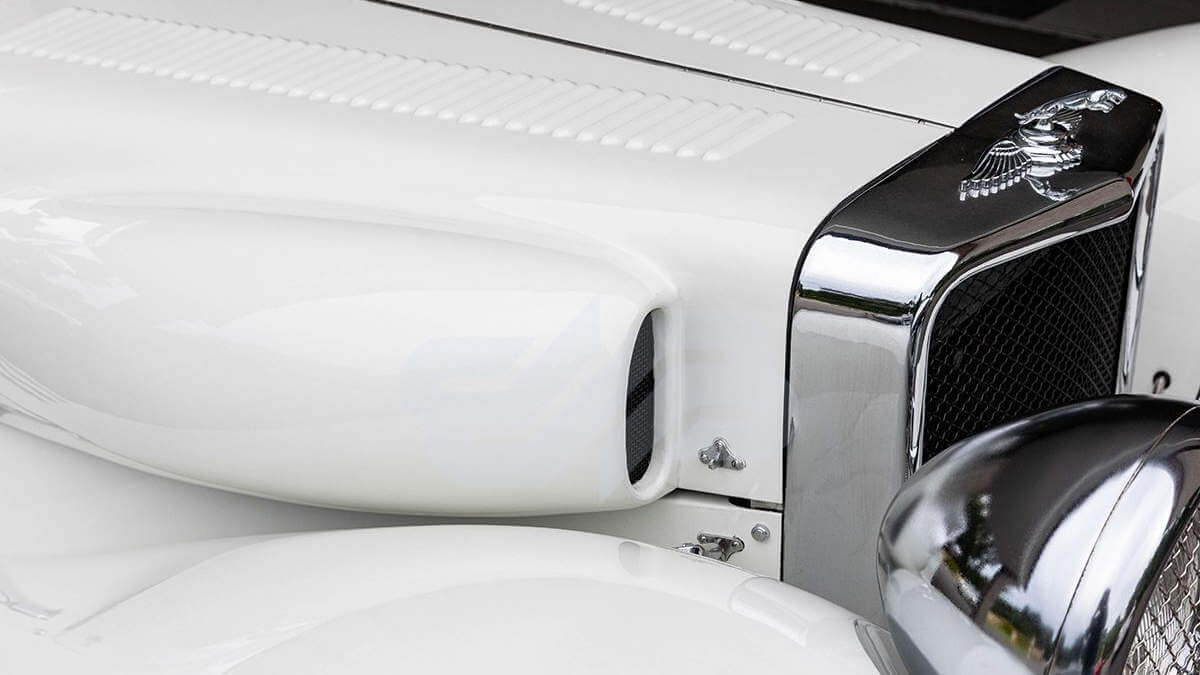
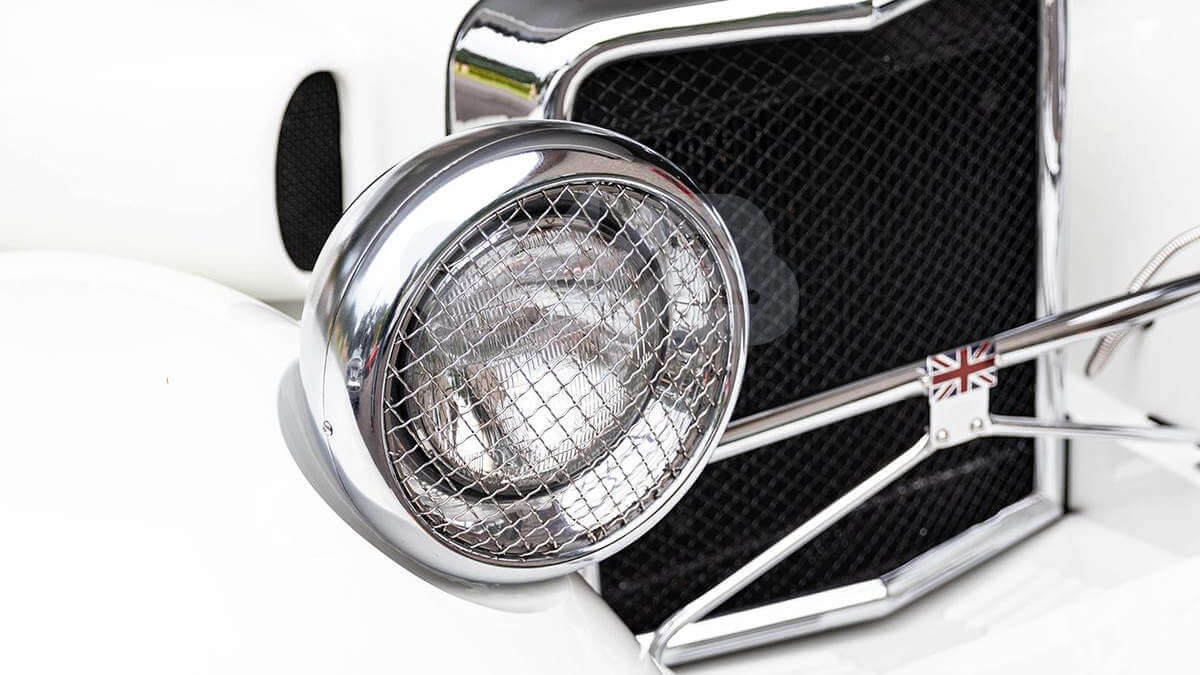
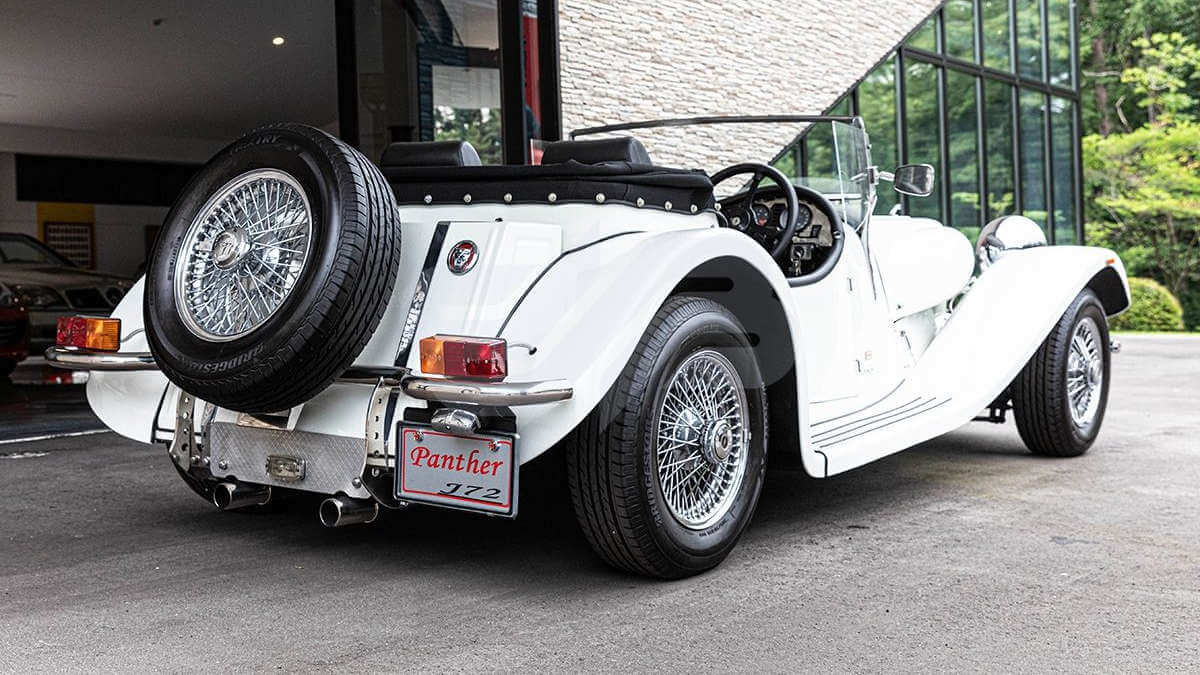
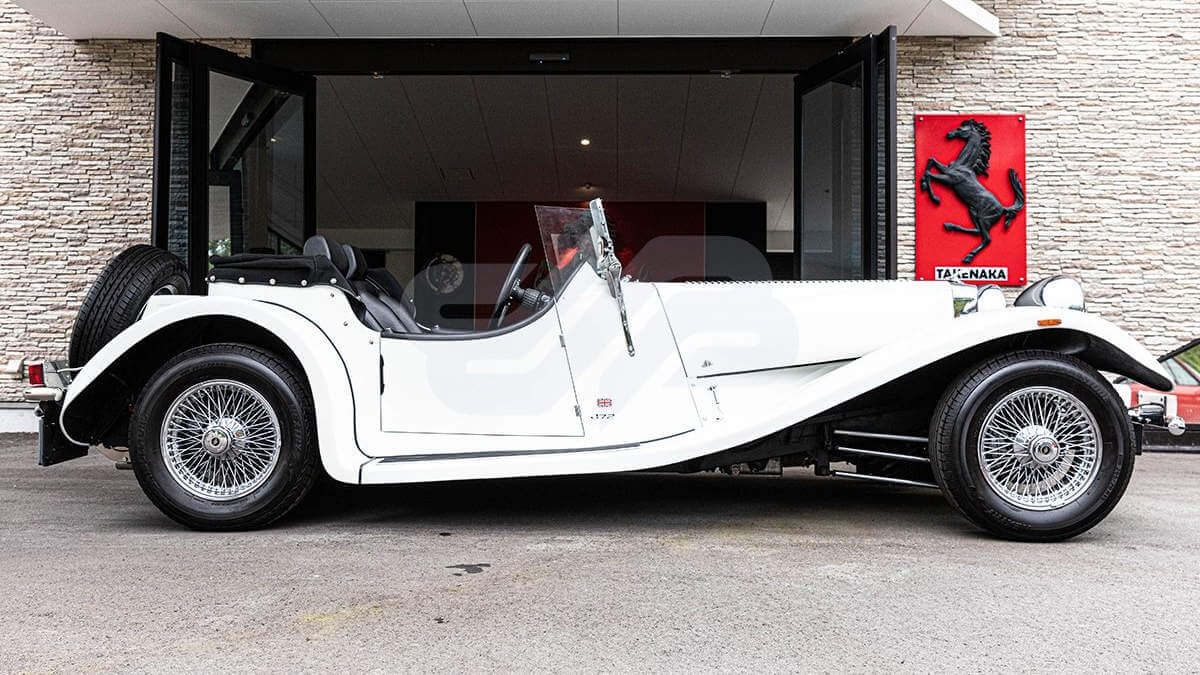
Originally, Panther started with the J72 in 1972. The design of this car was closely based on the pre-war Jaguar SS 100. From a distance, even experts could be fooled. However, the modern Jaguar engines available for the J72 required more cooling air than the SS 100 engines, so Panther installed additional air intakes above the bumper and on the side of the hood. With a similar look, the extended DeVille sedan with the V12 engine of the Jaguar XJ12 was created starting in 1974. Another two years later, the Panther Lima appeared as another two-seat roadster with a rounder look and technology from General Motors. This became the Kallista with a Ford six-cylinder engine in 1984. In parallel, the Rio was offered 35 times from 1974 as a conventional four-door sedan based on the Triumph Dolomite. In 1987, the final project was the Panther Solo sports coupé, of which a maximum of 25 were built. The company also produced cars for other manufacturers such as Felber.
Panther J72 at BH Auction
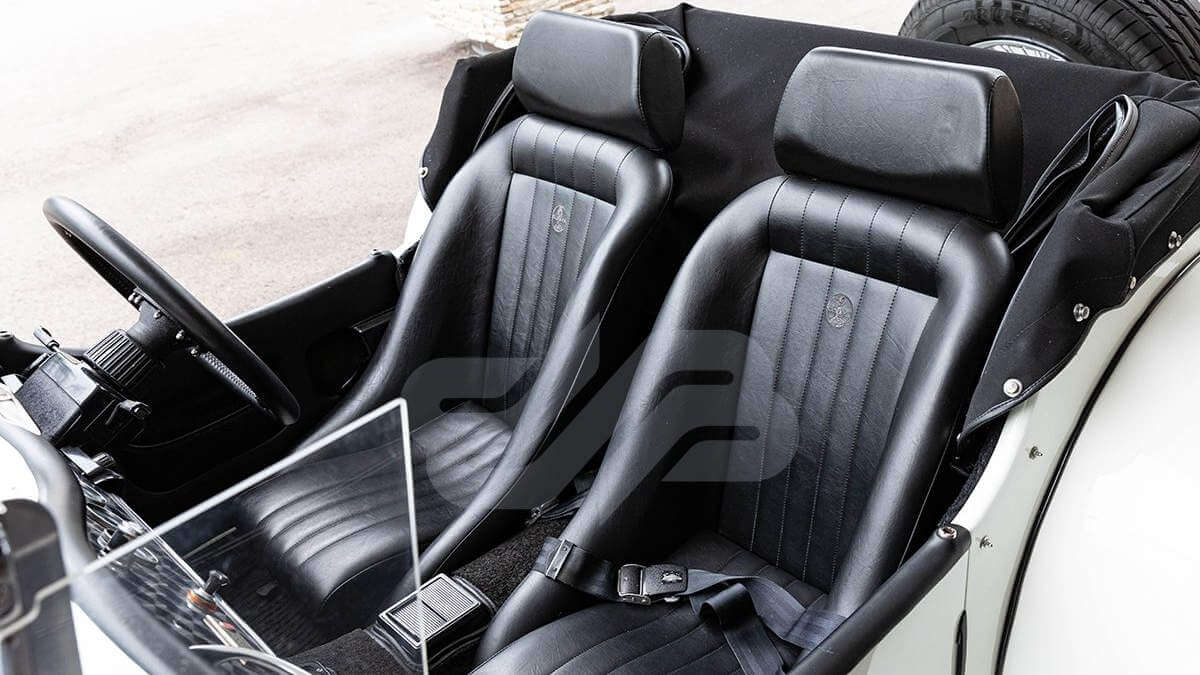
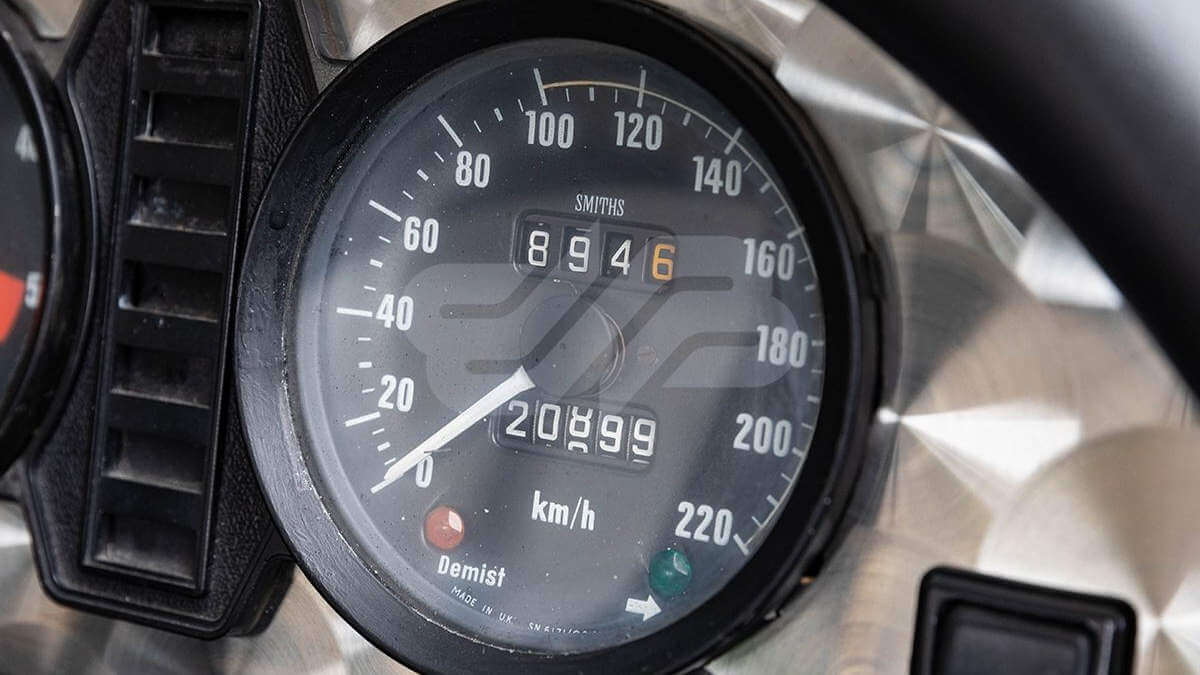
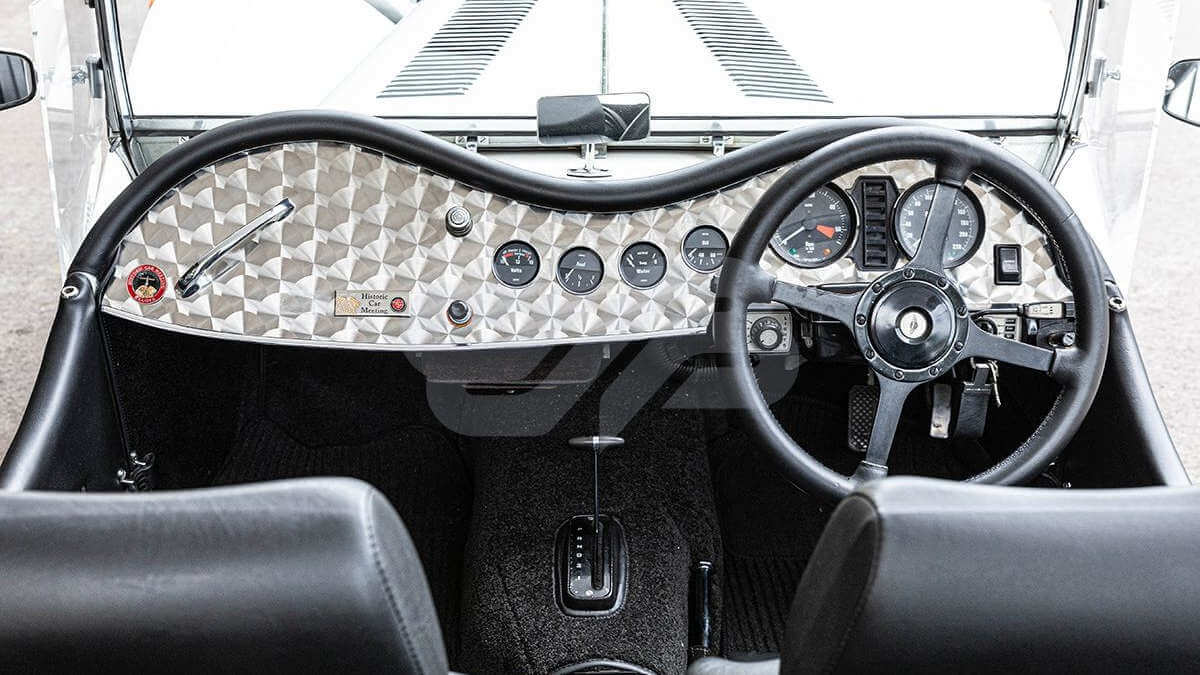
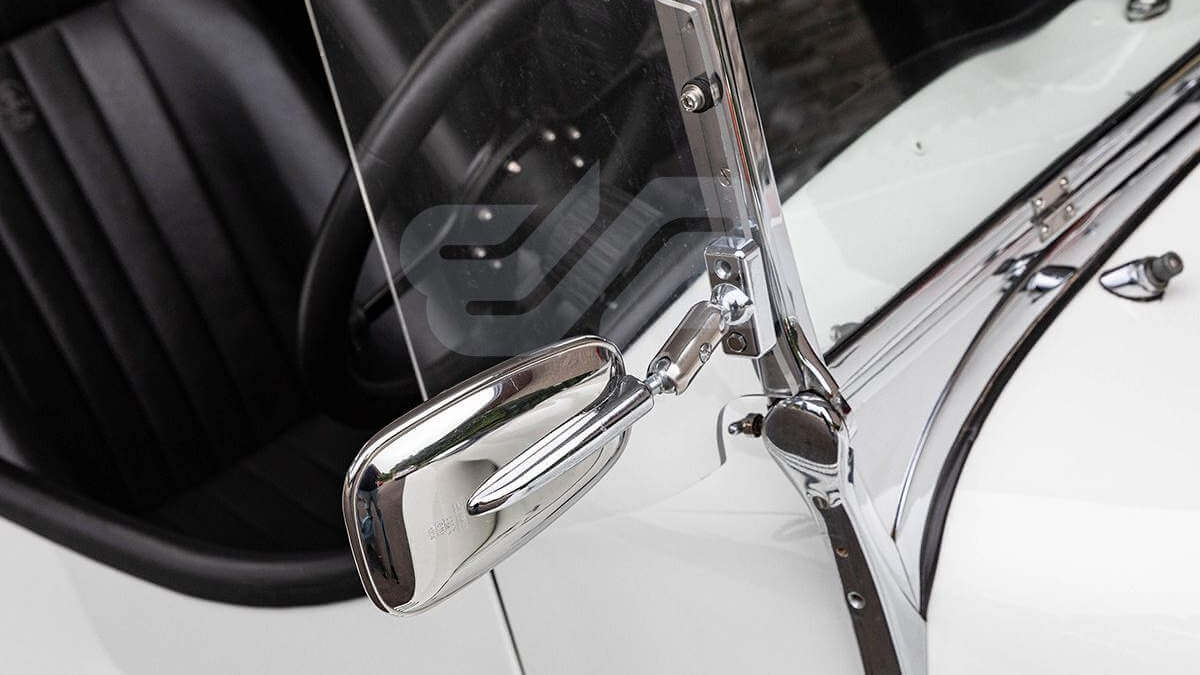
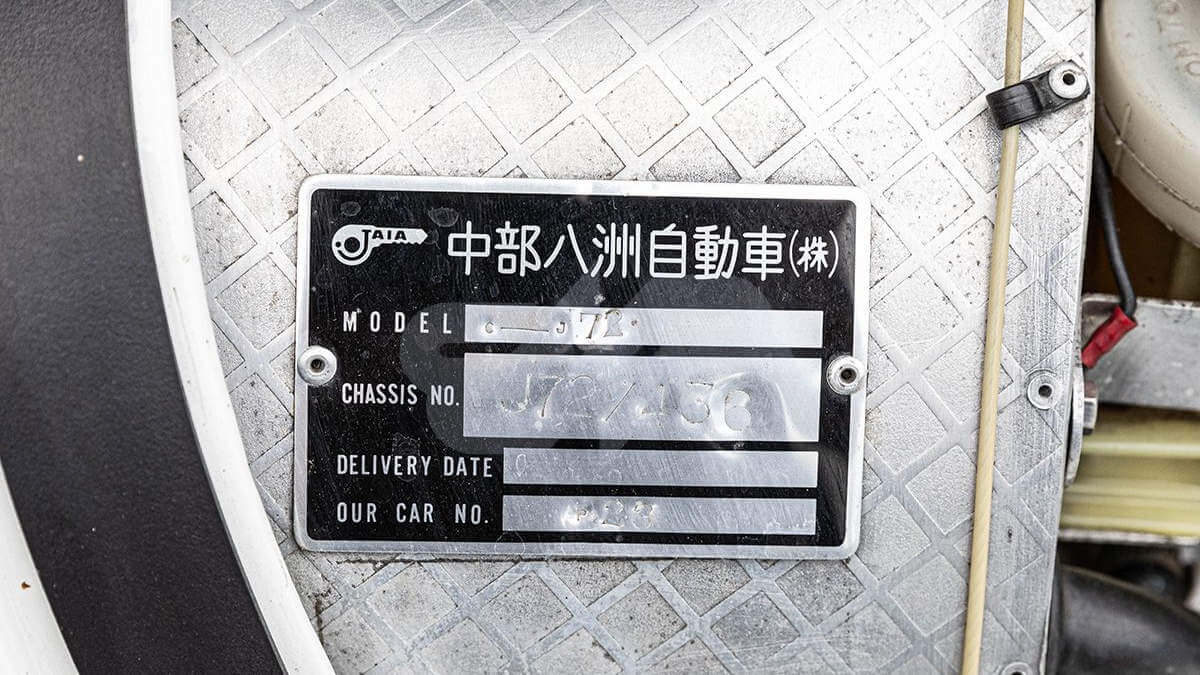
The Japanese auction house BH Auction together with Yahoo will soon auction a Panther J72 from 1976. Until 1981, Panther had circulated around 500 units of this two-seater sports car around the world. Customers could choose from various options. In this case, the 4.2-liter inline six from the Jaguar XJ6 works under the center-split hood. It transmits its power to the rear wheels via a three-speed automatic from BorgWarner. The mileage is at just 20,900 kilometers.
Images: BH Auction