Porsche Mission S: It’s All About the Middle
What does the future hold for Porsche? With the Mission S, the sports car brand offers a first glimpse. A mid-engine layout instead of the 911 design, nods to classic design elements, and a cockpit with surprisingly few screens. This could get interesting.
A Porsche has to look like a Porsche. It sounds obvious, but it’s actually quite a challenging task. After all, hardly any other sports car brand has shaped its design language as consistently as Porsche has. With the Mission S, the company is showing how it intends to carry this identity into the future—not with even more technology for technology’s sake, but by returning to the essentials. How wonderful!
In the middle instead of in the back
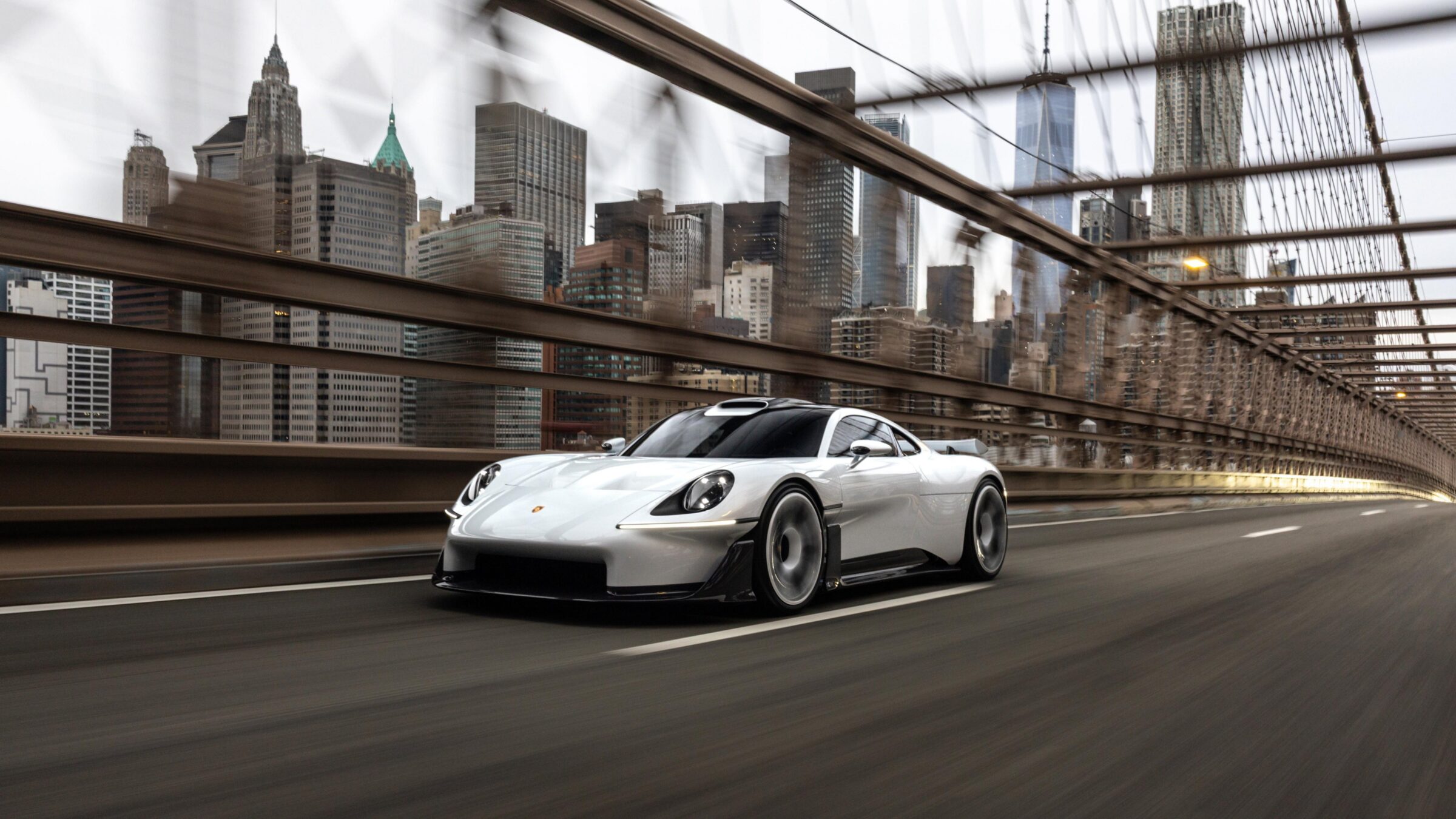
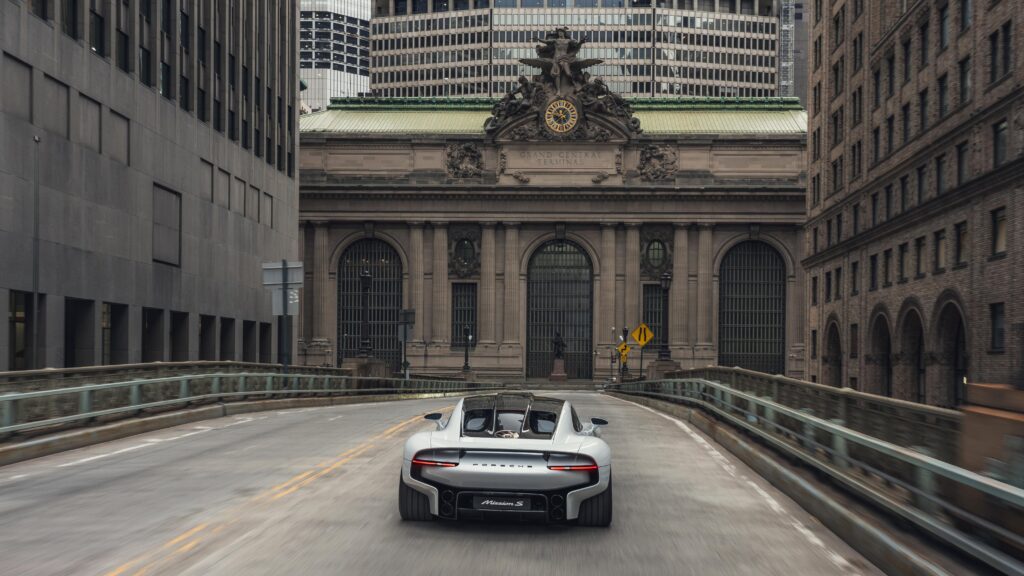
The 911 remains the 911. But what comes next? With the Mission S, Porsche is unveiling its first standalone mid-engine super sports car platform, which is set to become a permanent part of the model lineup in the future. Not a limited-edition one-off, but a new family with its own distinct character.
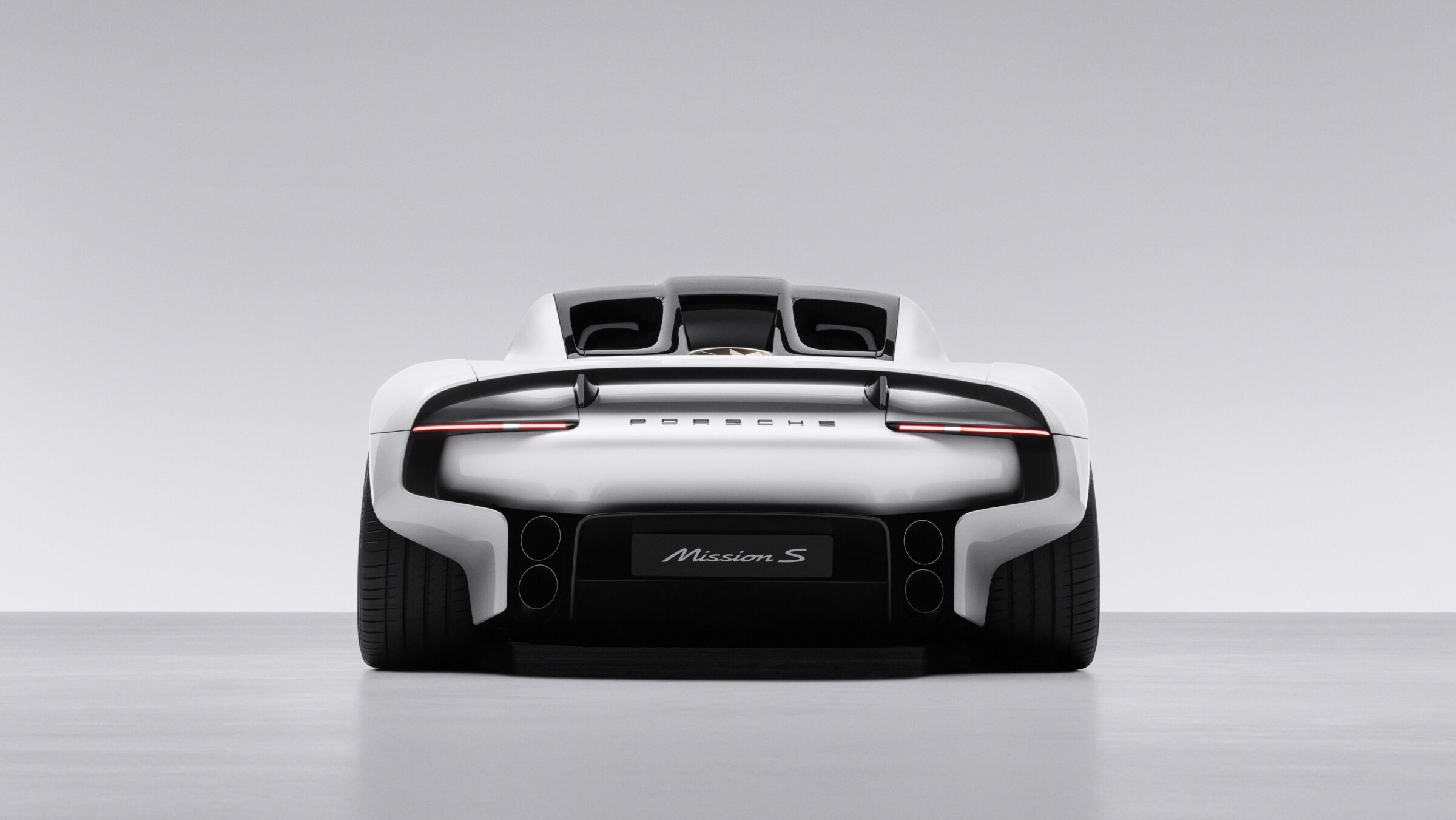
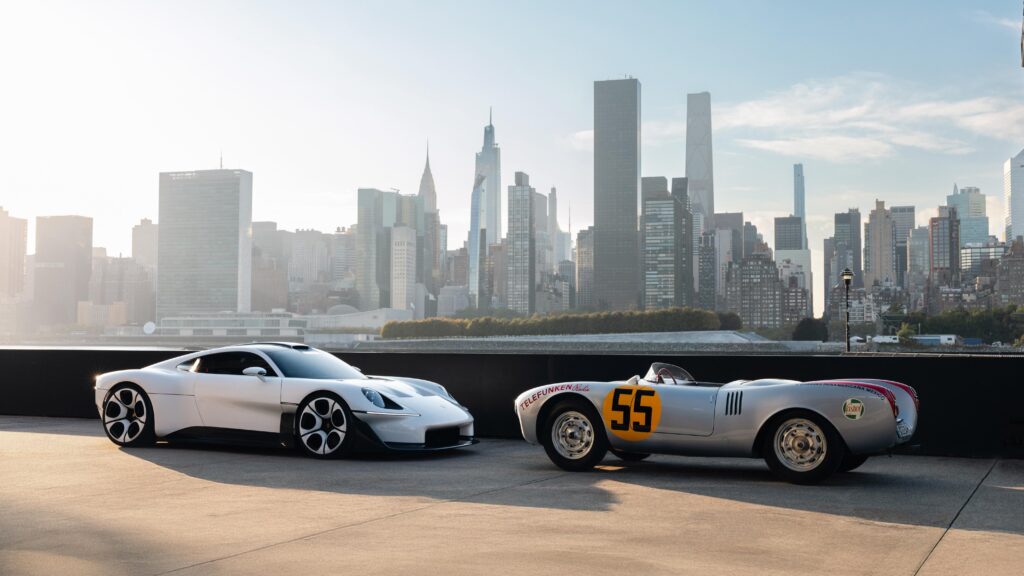
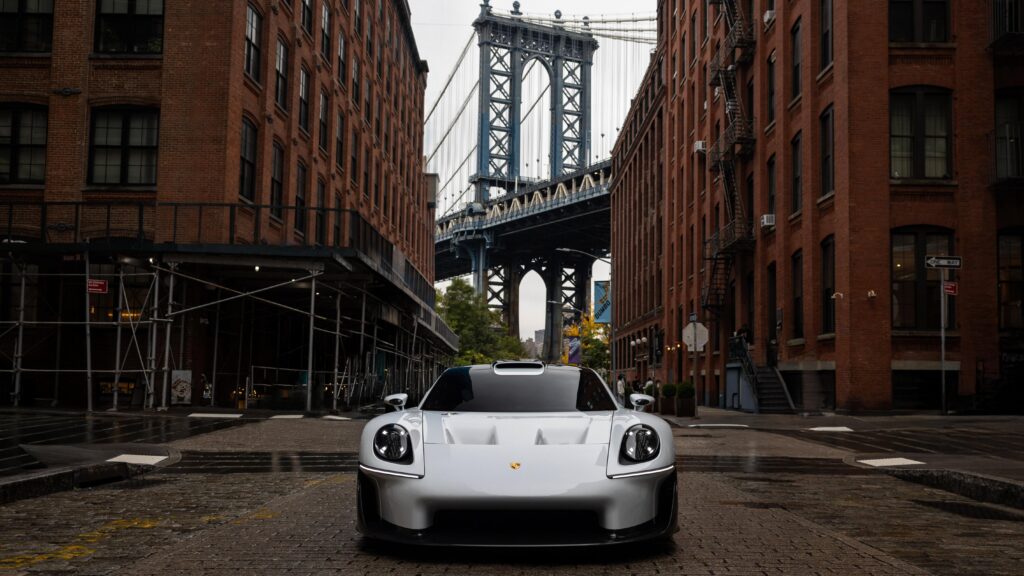
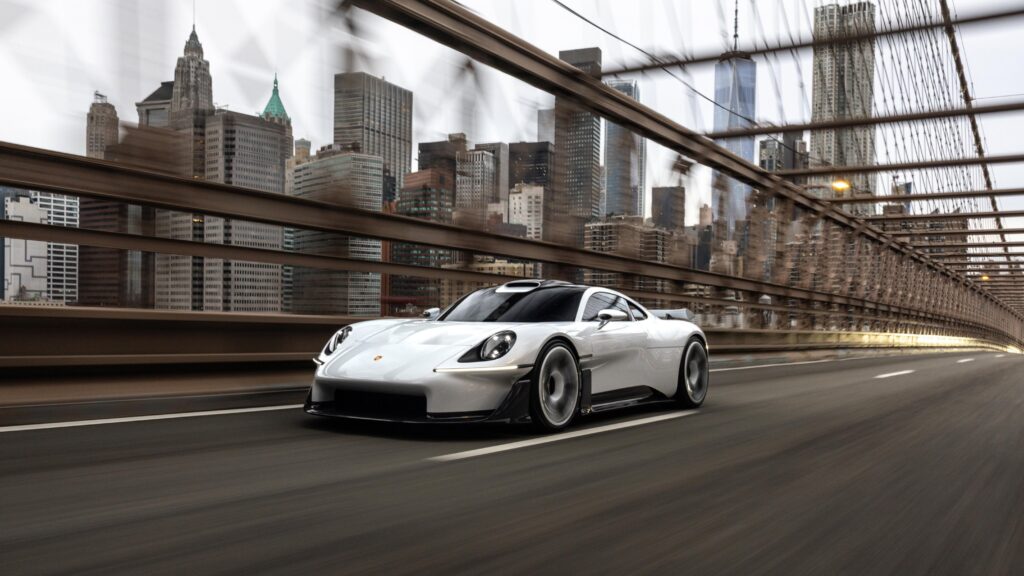
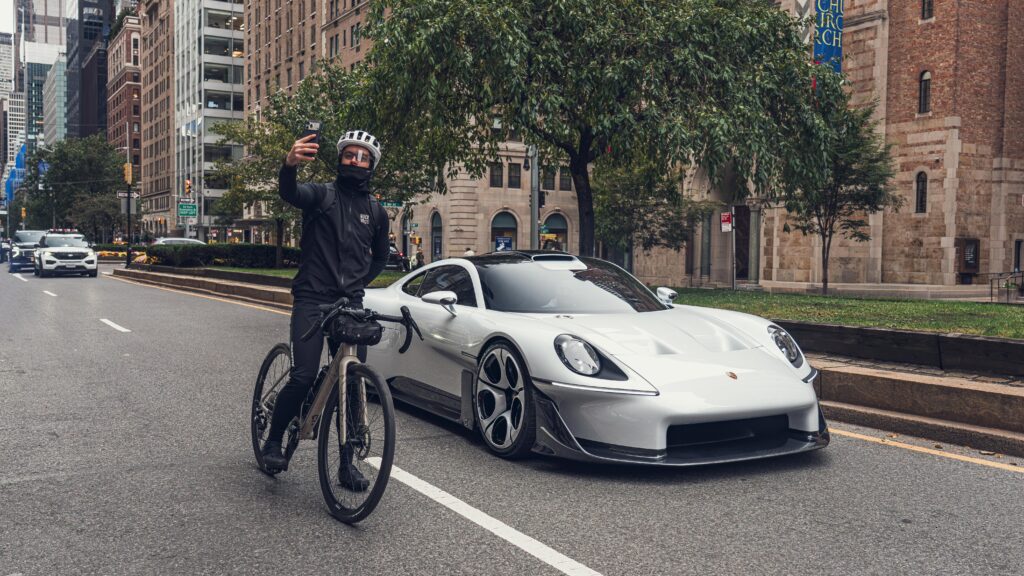
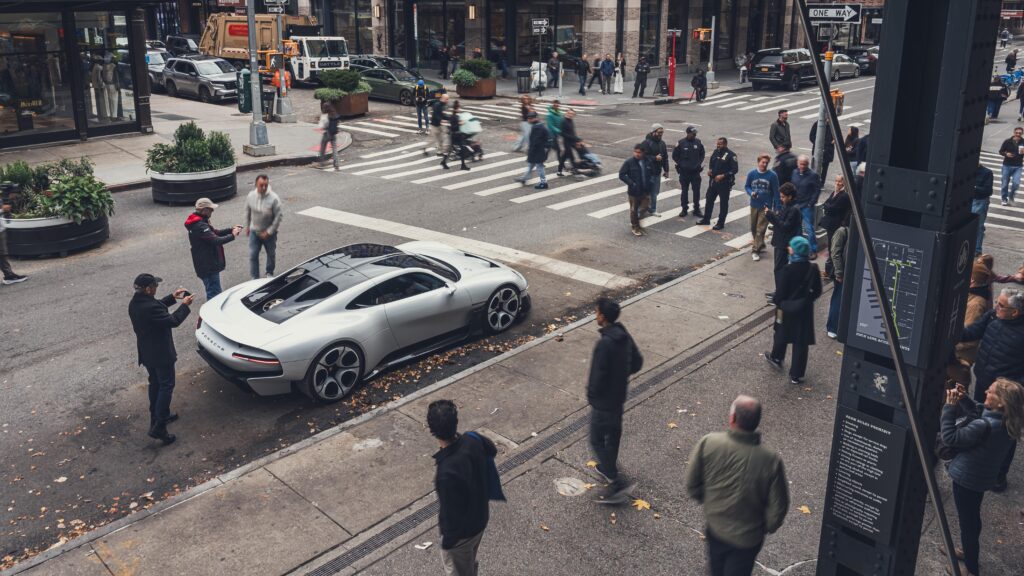
The architecture evokes the great names in Porsche history, most notably the 550 Spyder. The bodywork, too, pays homage to the past without being stuck in it. Round headlights, muscular fenders, and a flat front end meet a dynamic roofline and an integrated rear wing. References to the 911, 959, and GT1 are unmistakable. Nevertheless, the Mission S doesn’t feel like a “best-of” compilation from past decades.
That’s the real art: building a Porsche that looks familiar without being stuck in the past.
Analog is the new digital
Things get even more exciting in the cockpit. While screens are getting bigger elsewhere, Porsche is taking a step back with the Mission S—at least visually. Five round gauges form the centerpiece, and the tachometer features an analog needle. Depending on the driving mode, the gauges change their layout and, in some cases, even their position.
In addition, there are traditional switches and buttons that can be operated directly. A permanently installed central display? There isn’t one. Instead, a smartphone mount slides out when needed. Navigation and information are thus available, but don’t have to remain in your field of vision at all times.
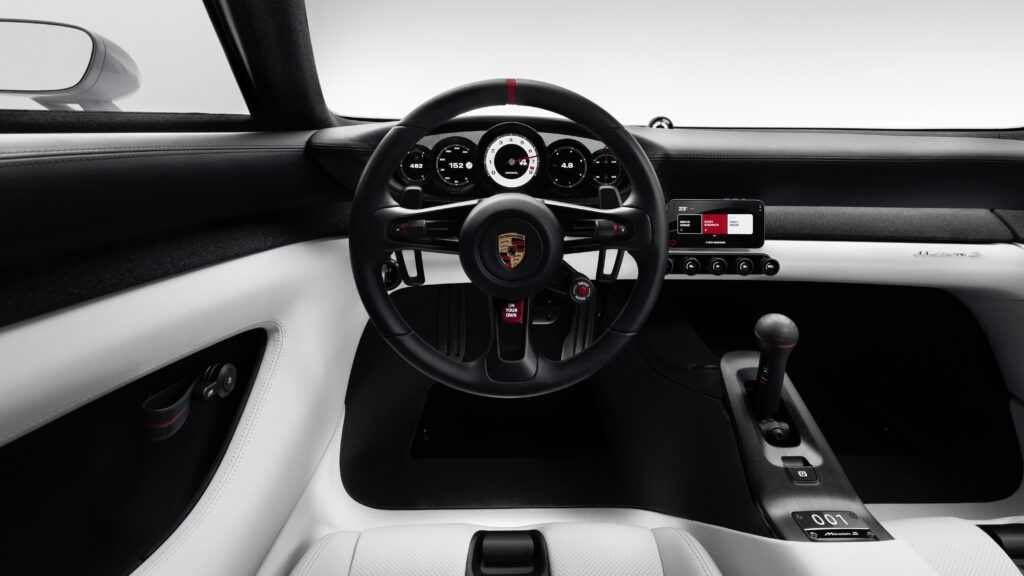
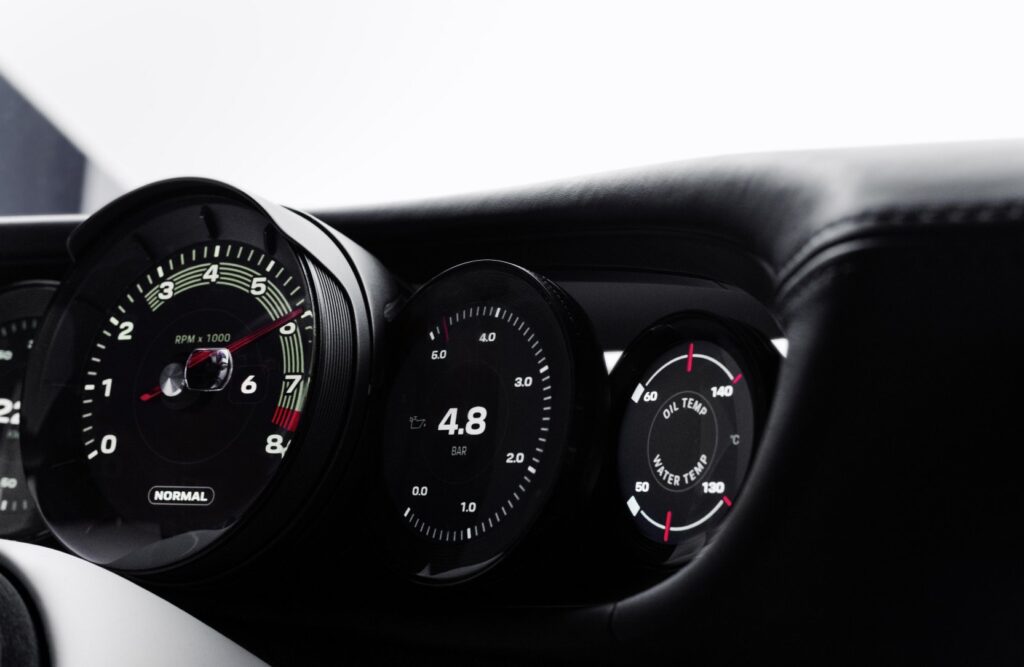
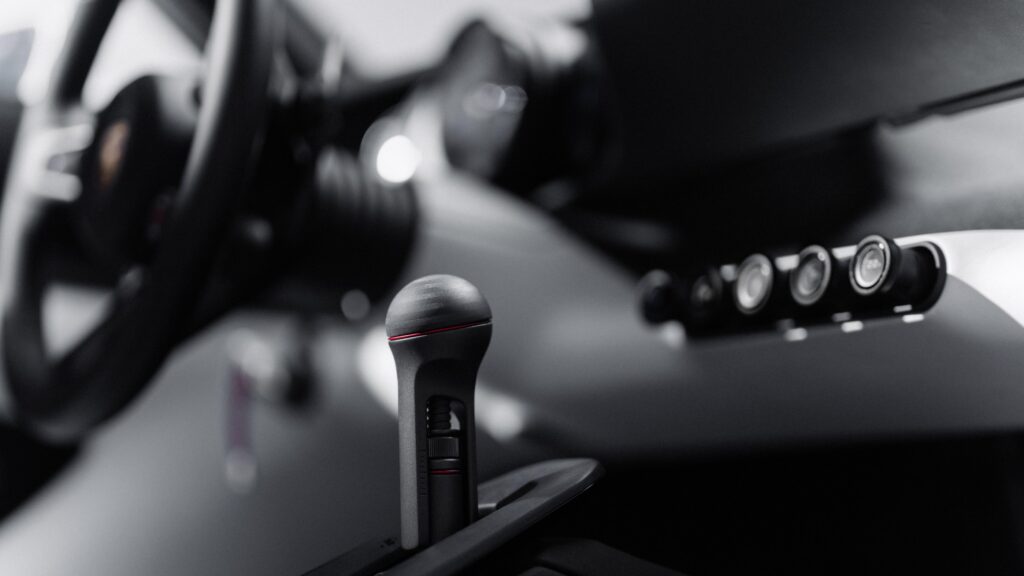
You might think this is just nostalgia. In fact, there’s a pretty modern question behind it: How much of a digital interface does a sports car need when it’s really all about the drive?
Everything is still up in the air
The Mission S is, for now, a concept car. Porsche has not yet released performance figures, specific powertrain details, or a production timeline. Too bad! But the direction is clear: Porsche wants to establish a new world of sports cars above the 911 while further developing its design identity. The fact that the world premiere is taking place on the very same pier in Queens where photos of the Porsche 550 Spyder were taken in 1953 fits right into the picture. At Porsche, history isn’t just window dressing. It’s part of the design.
The question remains: how much of this will make it into future production models? After all, a good concept isn’t judged solely by how impressive it looks in pictures, but by whether its ideas actually work on the road.
In any case, the Mission S certainly piques one’s curiosity. And for a sports car that isn’t even street-legal yet, that’s already a pretty good start.