Lancia Aurelia B20 GT Carrera Panamericana
The British classic car restoration company Thornley Kelham has already been the subject of our online magazine several times. This specialist for exceptional cases has earned a good reputation, especially in the field of classic Italian cars. This time they allow us an insight into the restoration of probably the most famous Lancia Aurelia B20 GT, in whose existence nobody had really believed anymore. Lancia’s business routine is one of the reasons for this. In the 1950s, the works team successfully participated in numerous motorsport events, but the racing and rally cars were mostly scrapped as soon as they were no longer competitive. Therefore brand experts assumed that this fate had not spared the Aurelia B20 GT, with which Giovanni Bracco achieved various racing successes in 1951.
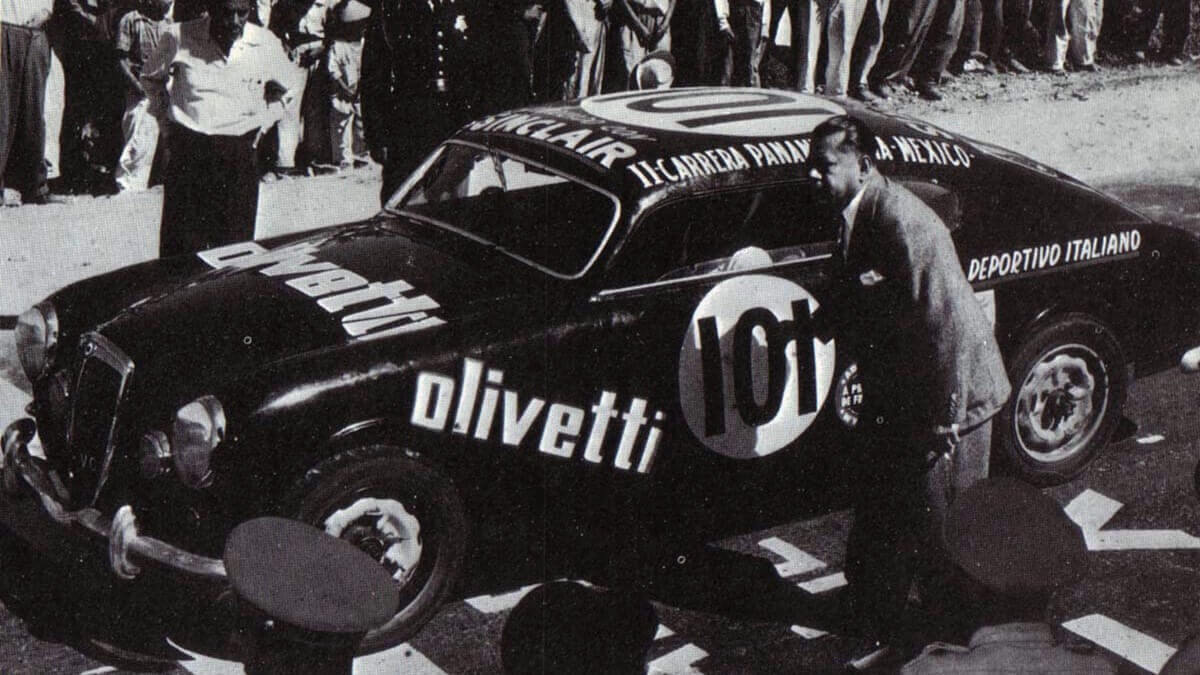
Bracco bought the Aurelia at the beginning of 1951 directly from his good friend Gianni Lancia, son of the company founder Vincenzo Lancia. Interestingly, according to various sources, this car was given a lowered roof ex works to improve the aerodynamics. It isn’t known whether this was done on order of Bracco or as a general project of the racing department. Within only three months, this sports car crossed the finish line of the Mille Miglia in second place, won the night race in Caracalla and achieved a class victory at the 24 Hours of Le Mans. Later in 1951, the overall victory at the 6 Hours of Pescara followed as well as a trip to the Carrera Panamericana in Mexico. However, Giovanni Bracco had an accident on the fourth day of the event, while driving in a promising position.
In 1952 this Lancia Aurelia B20 GT with the strikingly low roof returned to the starting grid of the Carrera Panamericana. But now a Mexican architect named Paredo sat behind the steering wheel, who had bought the car from Bracco. Under his direction, the accident damage from the previous year had also been repaired. At the end of the approximately 2,000-miles road race, Paredo finished 9th in his class. What exactly happened to the Lancia afterwards is lost in the fog of time. Many experts assumed that it would probably have ended up on scrap yard somewhere in Central America at some point in the course of years.
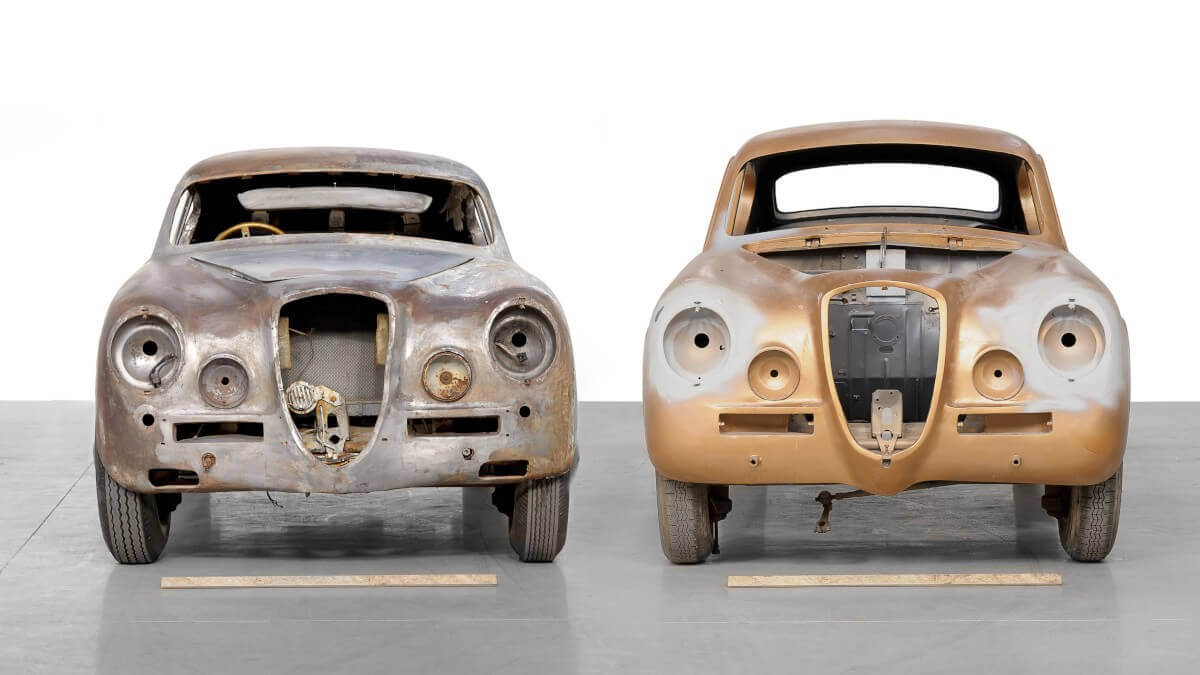

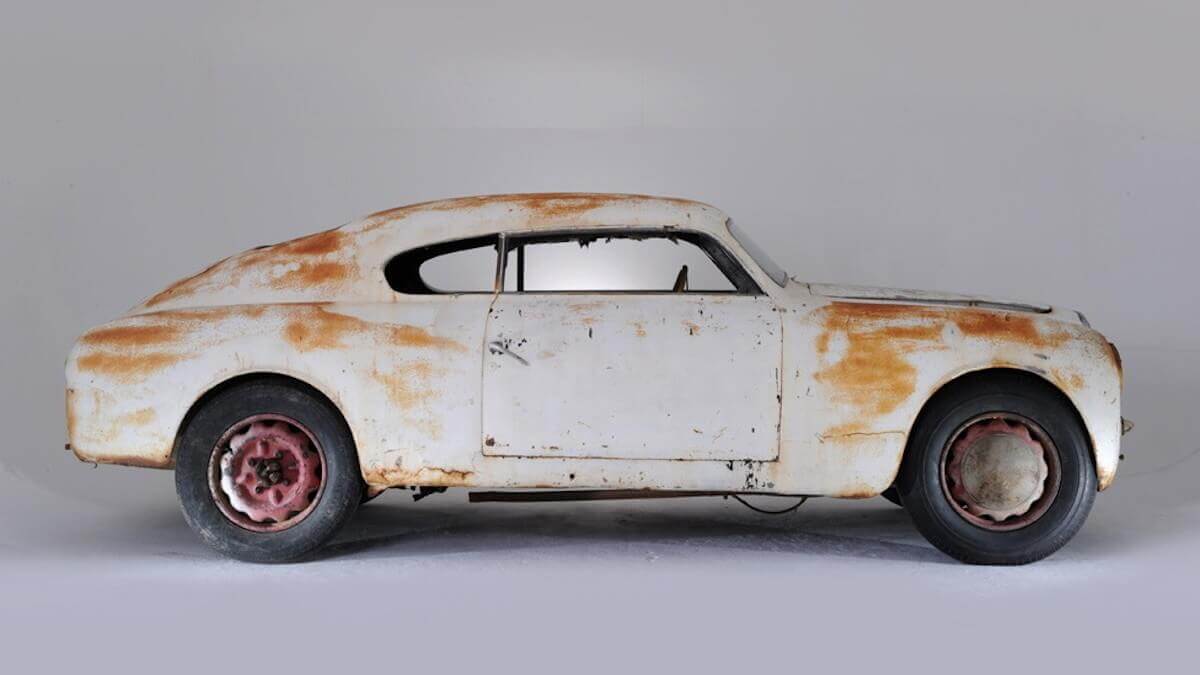
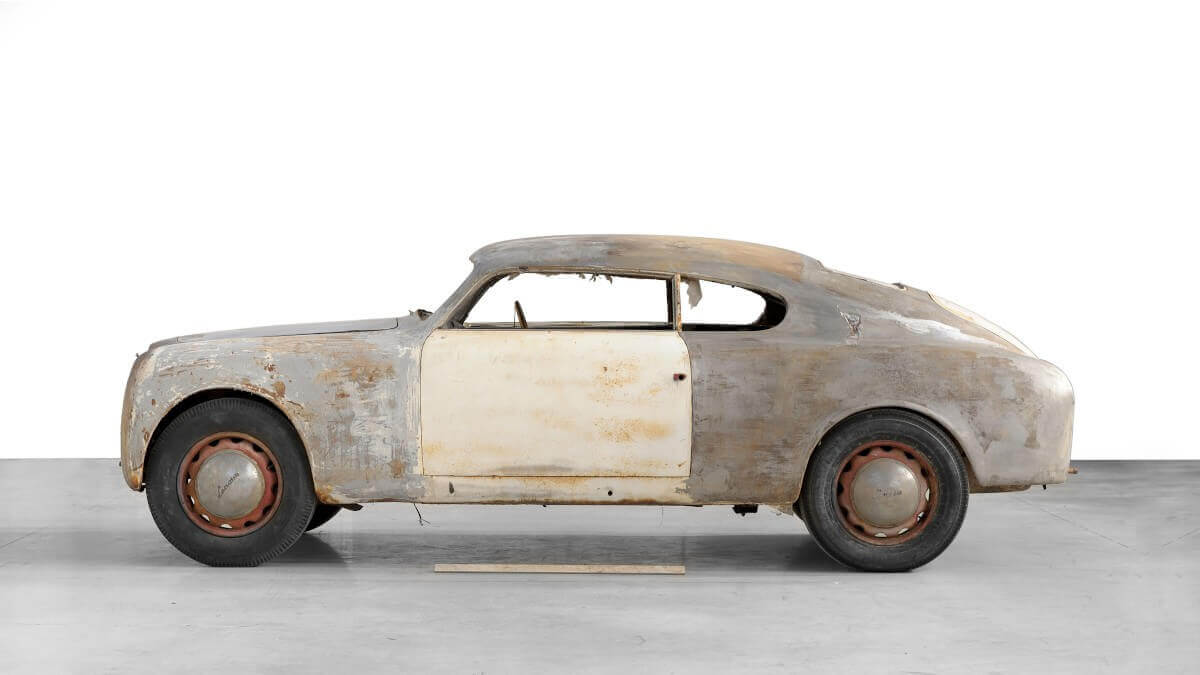




Finally, however, a few years ago the wreck of an unusual Aurelia B20 GT appeared in the USA. Simon Thornley of Thornley Kelham heard through a friend that the remains of the car were to be sent to Italy via Great Britain. Through good connections he managed to get a first glimpse of this Lancia in a bonded warehouse in Southend and to start his research on the history of this car. Due to some hints in advance and the lowered roof line he directly suspected to be standing in front of the Bracco car which was believed to be lost. With the chassis and engine numbers as well as various details such as some holes for the bonnet straps that had been filled up in the meantime or a lever next to the passenger seat to adjust the rear suspension from the cockpit, he could prove the authenticity. These were really the sad remains of B20-1010, only held together by little metal and several meters of string. At the rear, ideas of a previous owner had led to a modified trunk and rear window in American style.
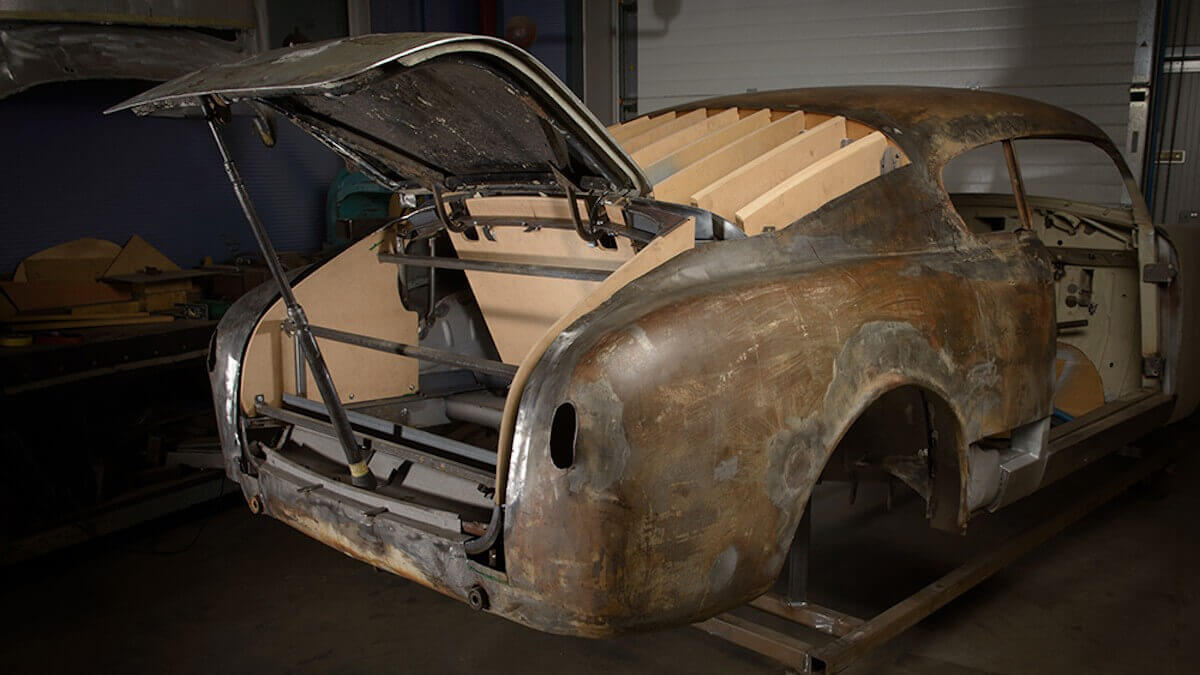
Now, in cooperation with the new owner of the car, the restoration work started to take the vehicle back to its condition in which it rolled to the start line of the Carrera Panamericana in 1951 with Giovanni Bracco at the wheel. On the way there the team tried to preserve as much original substance as possible. After the white paint applied sometime after 1952 had been removed, the Thornley Kelham team was able to start exploring the body modifications for the lowered roof. Lancia hadn’t only shortened the roof pillars and welded everything together again, but had also reshaped the C-pillars to improve the visual appearance. In addition some parts had to be replicated from scratch. A quite talented coachbuilder had welded parts of an unknown car to the back of the Aurelia for a new trunk design. Also any of the previous owners covered the whole interior with a thick layer of underseal. More than enough work for Thornley Kelham.
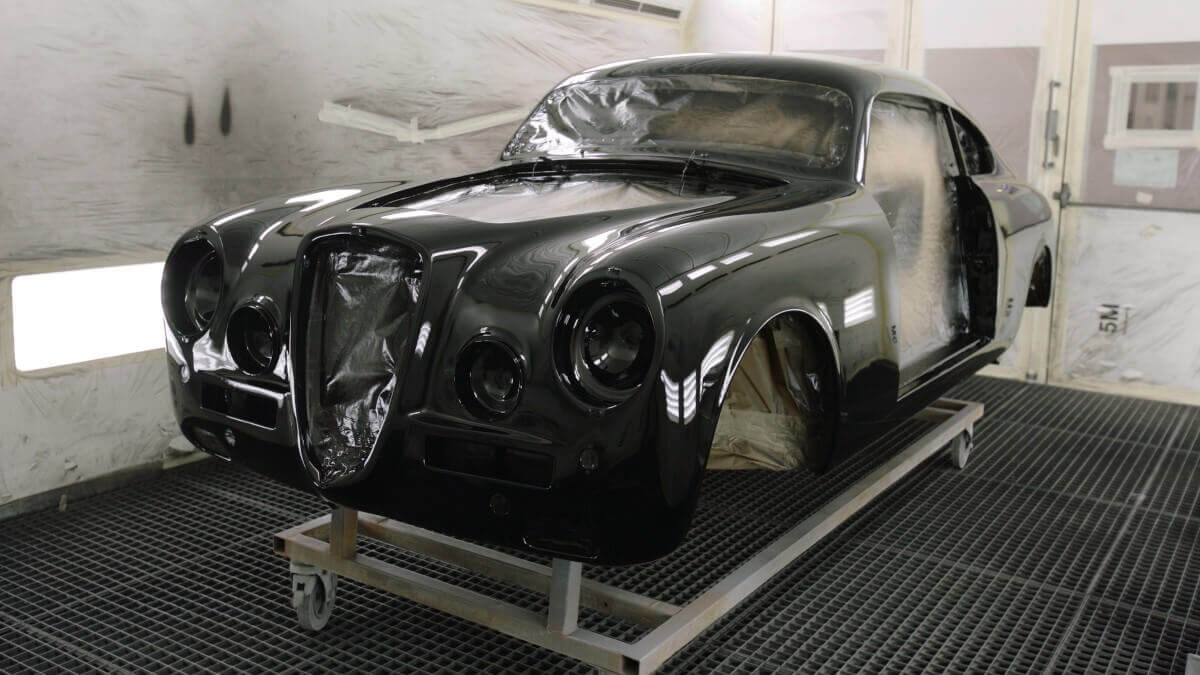
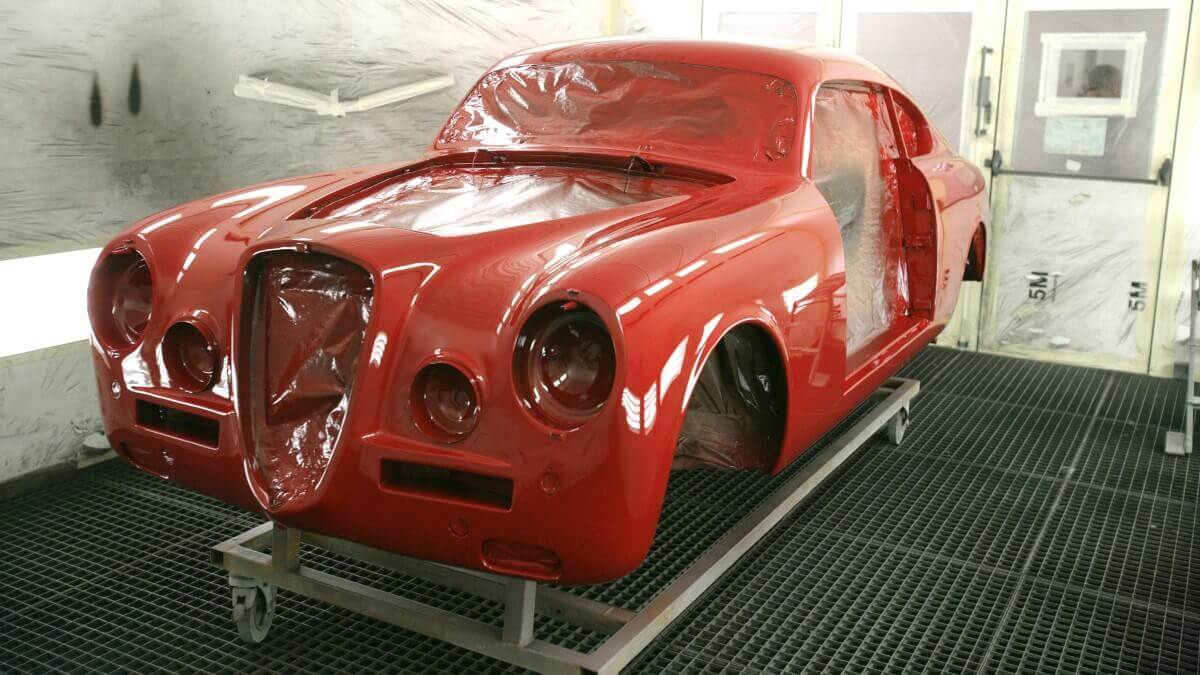
After the rear end had been restored to its correct shape on the basis of old pictures and a lot of work and had been given the blessing of a panel of Lancia experts, the painting process was started. Since together with the owner it was decided to give the Aurelia B20 GT its exact history back, they took an unusual step. Originally delivered in 1951, the car appeared in black, but for the Le Mans race it repainted in Italian red. At the Carrera Panamericana, the car started in black again, after another repaint. The restored bodyshell was therefore first painted in black, then in red and then again in black. Mark Amis then used old pictures to recreate the sponsor logos and starting numbers of the Carrera Panamericana on the bodywork by hand. These pictures also showed that the interior was originally equipped with seats from the Lancia Ardea, which can now be found in the cockpit again. The Thornley Kelham team put more than 4,000 working hours into the resurrection of this Lancia in around three years. Various findings from this process are currently being used to build nine units of their Lancia Aurelia ‘Outlaw’, an extraordinary project based on the B20 GT, where each customer can influence the color scheme and individual details of his or her car. A bored-out Flaminia engine with fuel injection is installed under the bonnet of these cars. Modern dampers and disc brakes are mounted on the chassis.
Images: Thornley Kelham