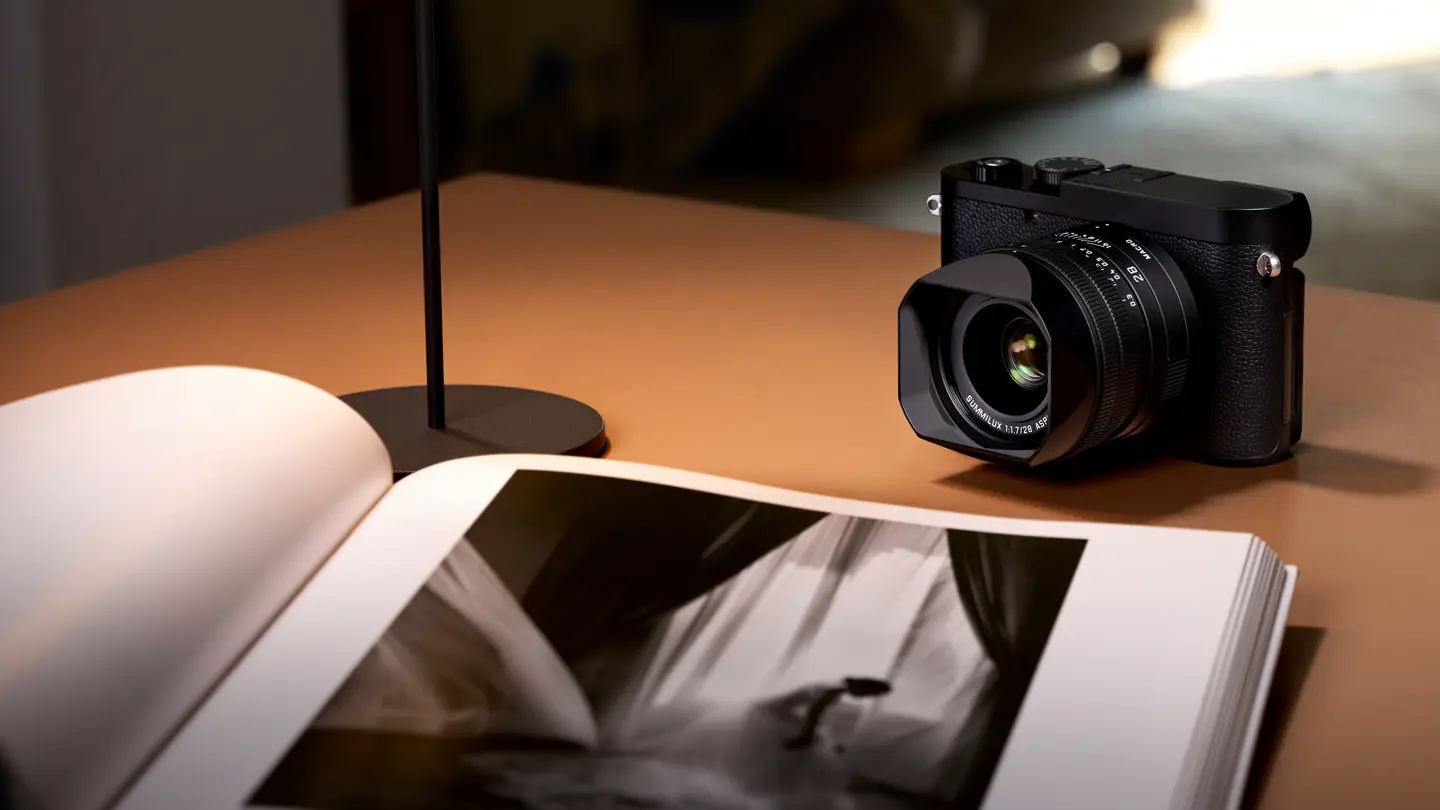
A reminiscence of analog in the digital age – Leica Q3 Monochrome
Nowadays, we are bombarded with countless images and videos from TikTok, Instagram, and other social media platforms. We constantly scroll through a flood of impressions, often without pausing to reflect on what we are seeing. The speed of consumption leaves little room for awareness or calm.
The Leica Q3 Monochrom invites you to escape this flow. It reduces the image to light and shadow, to form and structure. Without color, the eye focuses on the essentials. With its 60-megapixel sensor and fast 28-millimeter lens, it produces fine-grained, nuanced black-and-white images that make time and space consciously tangible. Holding the camera becomes a moment of deceleration, a small return to a form of photography that makes seeing tangible again.
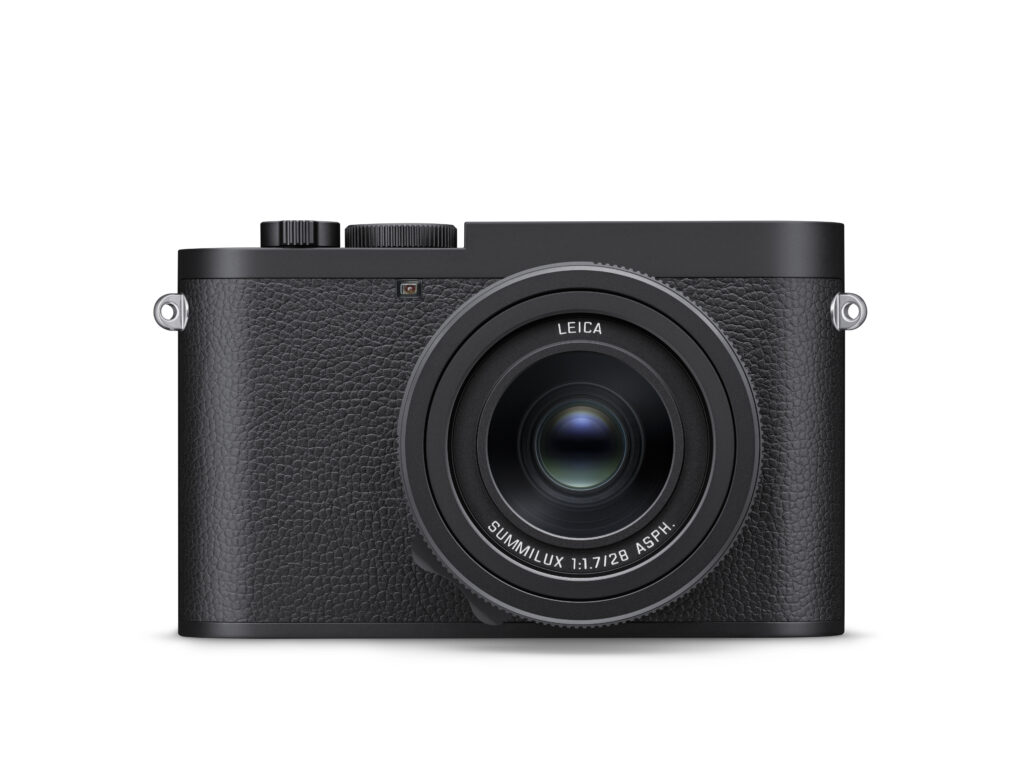
The specially developed sensor works without a color filter. Each image is created from brightness values, enabling fine detail and highly differentiated tonal gradation. This is supported by a permanently installed Summilux lens with high light intensity. This combination is particularly appealing when shooting indoors and at night, when the interplay of light and dark areas comes into its own.
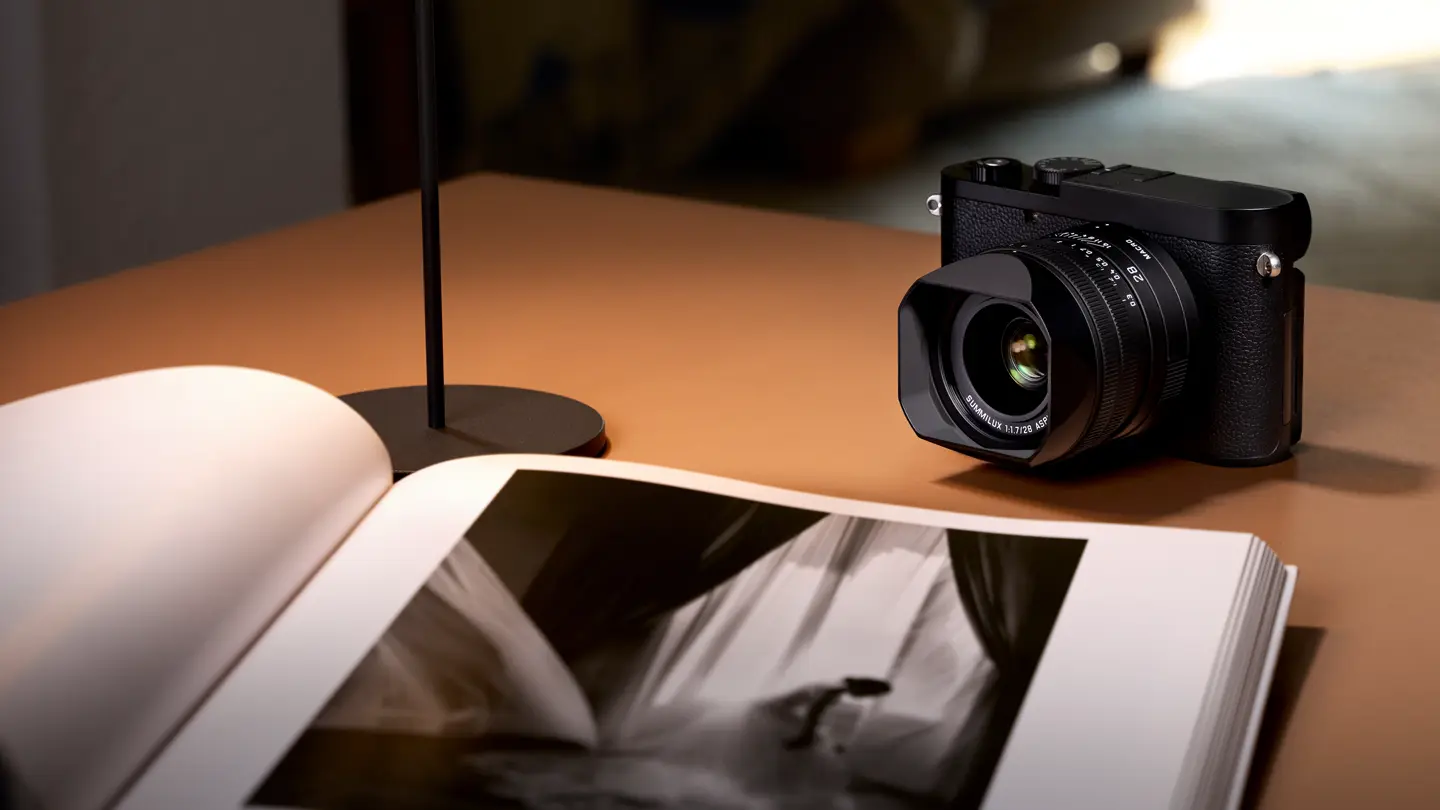
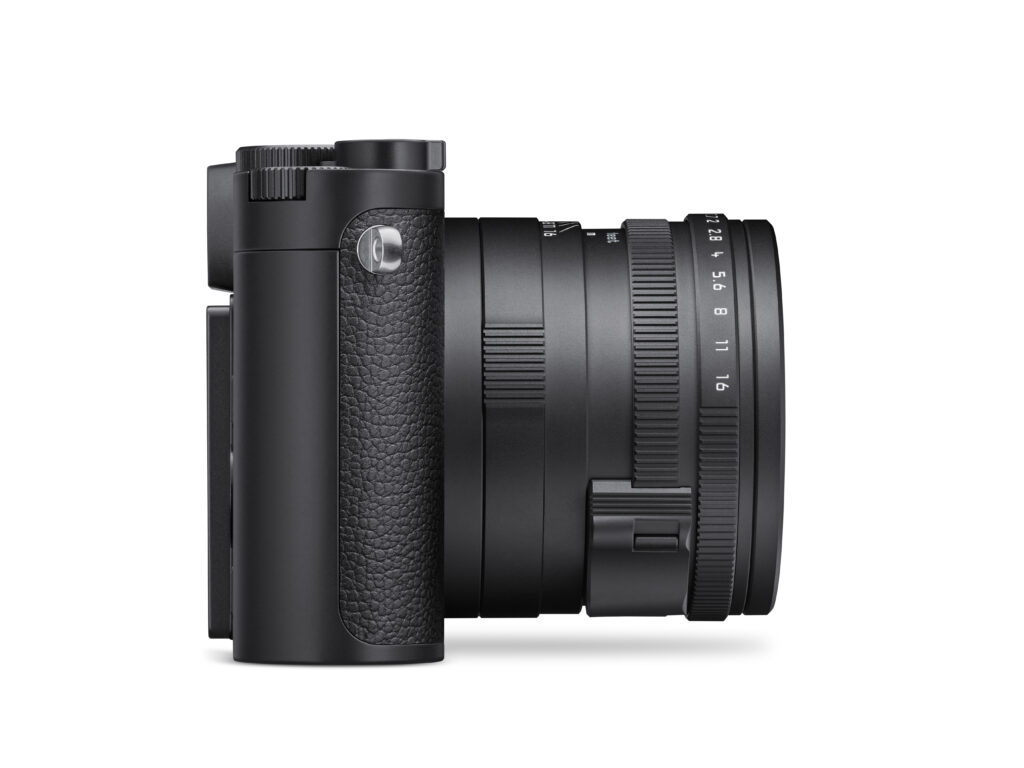
The appearance of the Q3 Monochrom also draws on historic Leica models. The body is dark and has no color accents. The design follows a restrained line that focuses entirely on function and ergonomics. This creates the impression of a tool that guides the user to see without distraction.
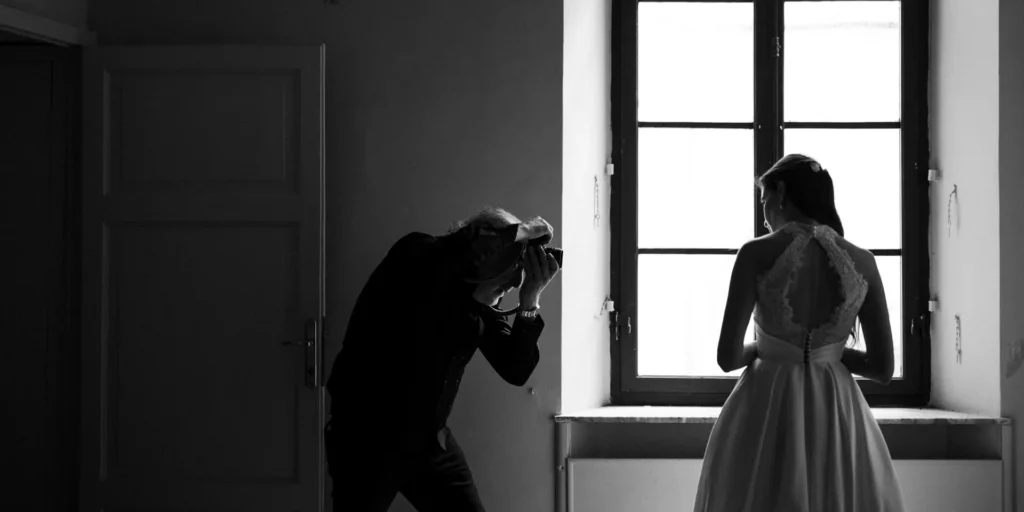
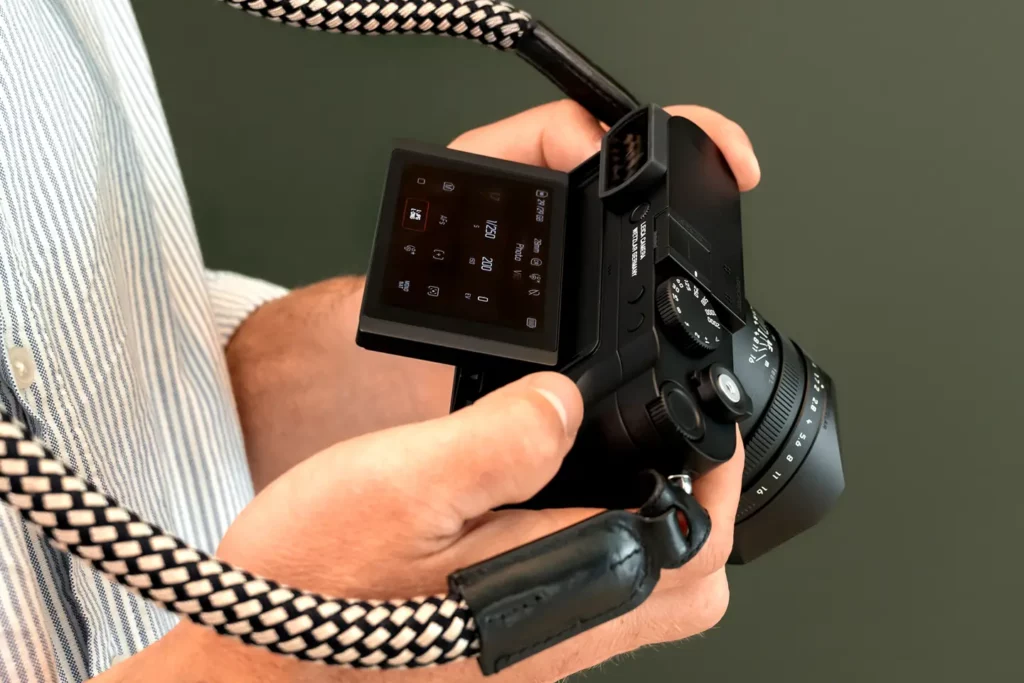
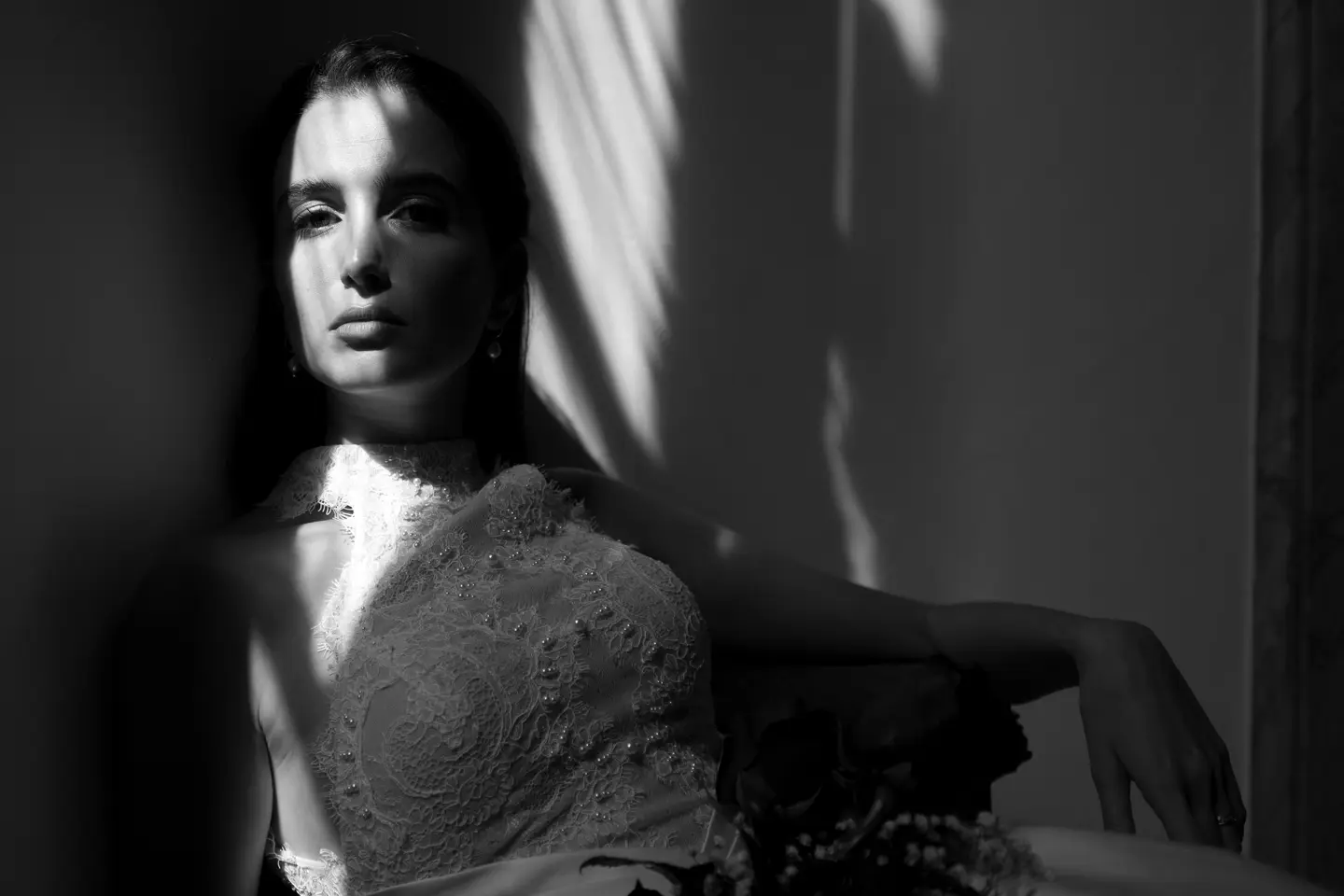
At the same time, the camera relies on the latest digital technology. The electronic viewfinder displays a precise image, the foldable display facilitates unusual perspectives, and the autofocus reacts quickly enough for everyday situations. However, the modern features do not change the character of the device. Rather, the technical aids complement a working method that thrives on quiet observation.
The Leica Q3 Monochrom invites you to explore the fundamental impact of your subjects. When you pick up the camera, you feel echoes of a photographic culture in which every shot was consciously composed and your own eye was the most important part of the process.


Photos: LEICA & Carlo Carletti for LEICA