50 Years of Seat 850 Sport Spider
Name a convertible model of the Spanish car manufacturer Seat. Don’t worry, until a few weeks ago, we probably had the same question mark on our faces, as you probably have on yours by now. In fact, the brand that today belongs to the VW Group only once listed such a model in their brochures for a short period of four years within their complete history from 1950 to today. At the Techno Classica in Essen/Germany, the Spaniards presented one copy of it to the stunned visitors, which often assumed to be confused. But let’s start at the beginning of the story.
Seat was founded on May 9, 1950 as a Spanish licensing company of Fiat in Barcelona. Interestingly, the Italian car manufacturer only participated in the new brand by seven percent, while 51 percent was held by the national authority ‘Instituto Nacional de Industria’ and 42 percent by Spanish banks. Starting from 1953 first automobiles ran of the newly built production lines, all visually and technically identical to Fiat models of the time. This license production continued until 1984, although the Seat engineers occasionally sprinkled their own bodywork variants in – mainly four-door versions. The above-mentioned and in the title of this text described convertible model, the Seat 850 Sport Spider, also came from the Fiat program and therefore is known to Central European carfans from the Italian production only. No wonder, as the Spanish brother was only available at its home market. Compared to the Fiat, Seat also only produced it in a homeopathic dose. While 103,622 copies left the production site in Grugliasco/Italy between 1967 and 1973 (some sources even speak of about 140,000 cars), Seat only built 1,746 open two-seaters from 1969 to 1972. So it isn’t surprising, that Fiat lovers rubbed their eyes when they discovered the Seat logo at the little blue car at Techno Classica.
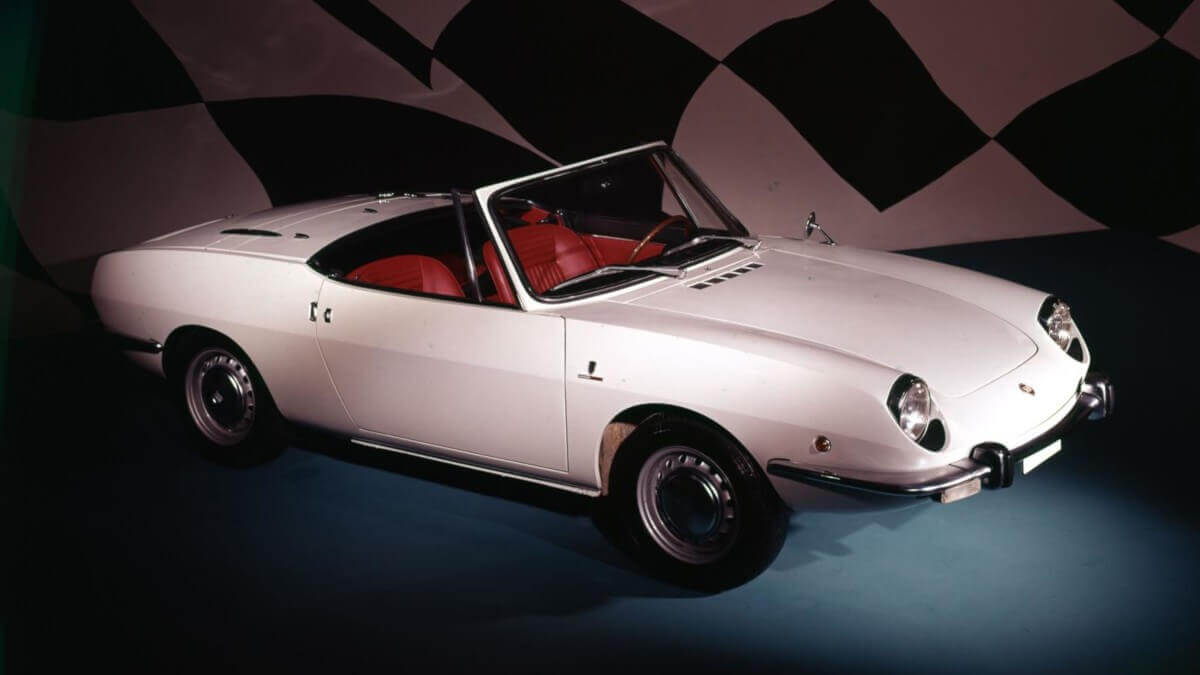


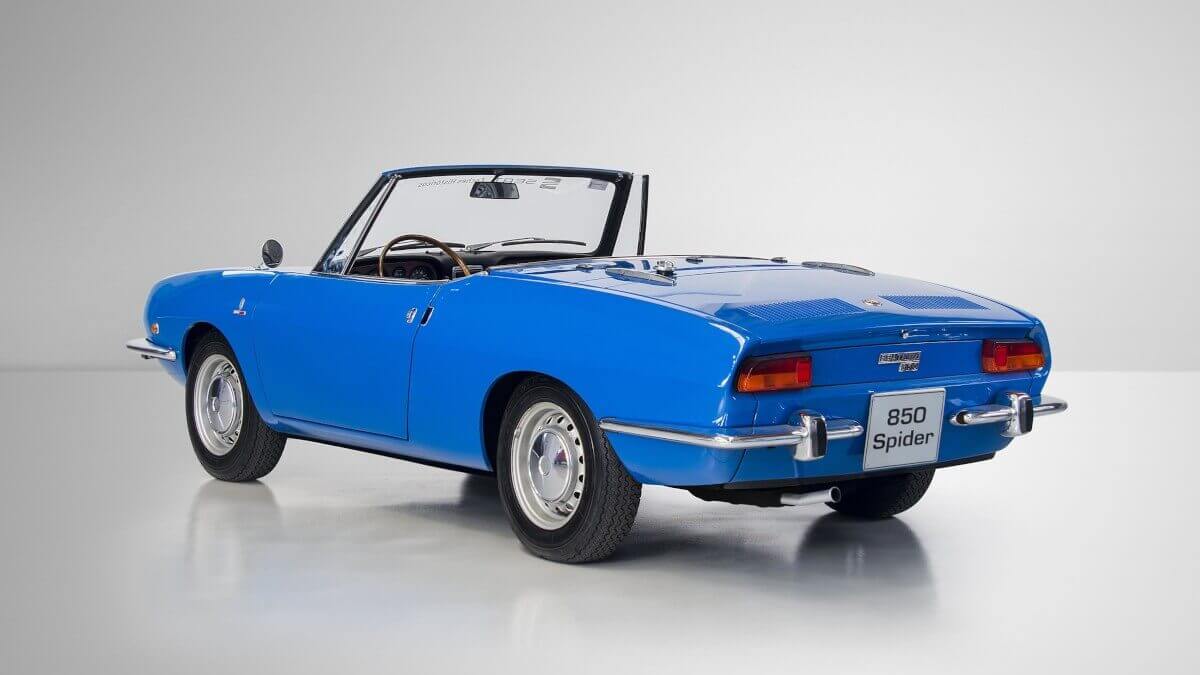
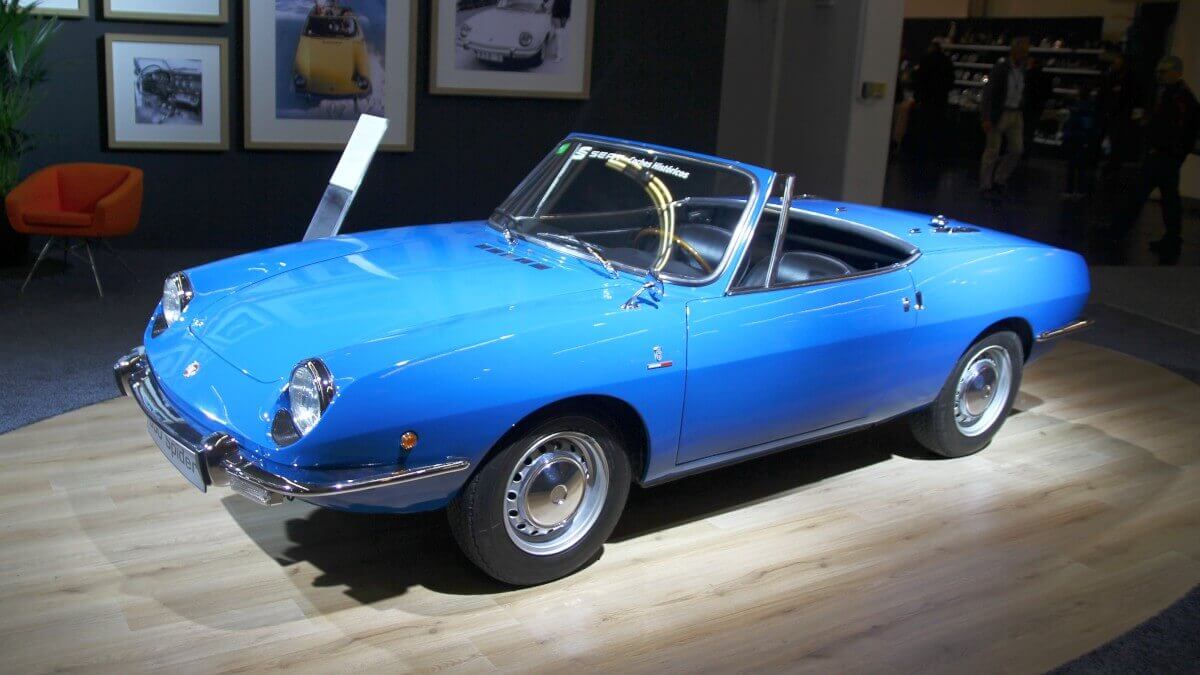


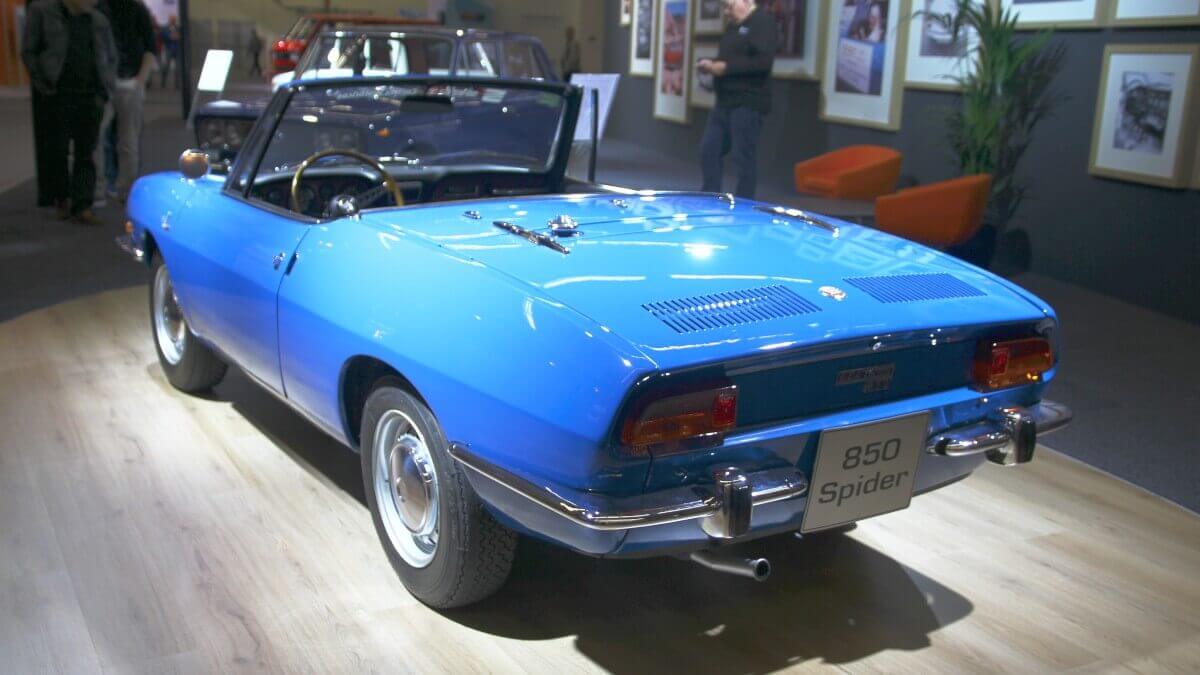
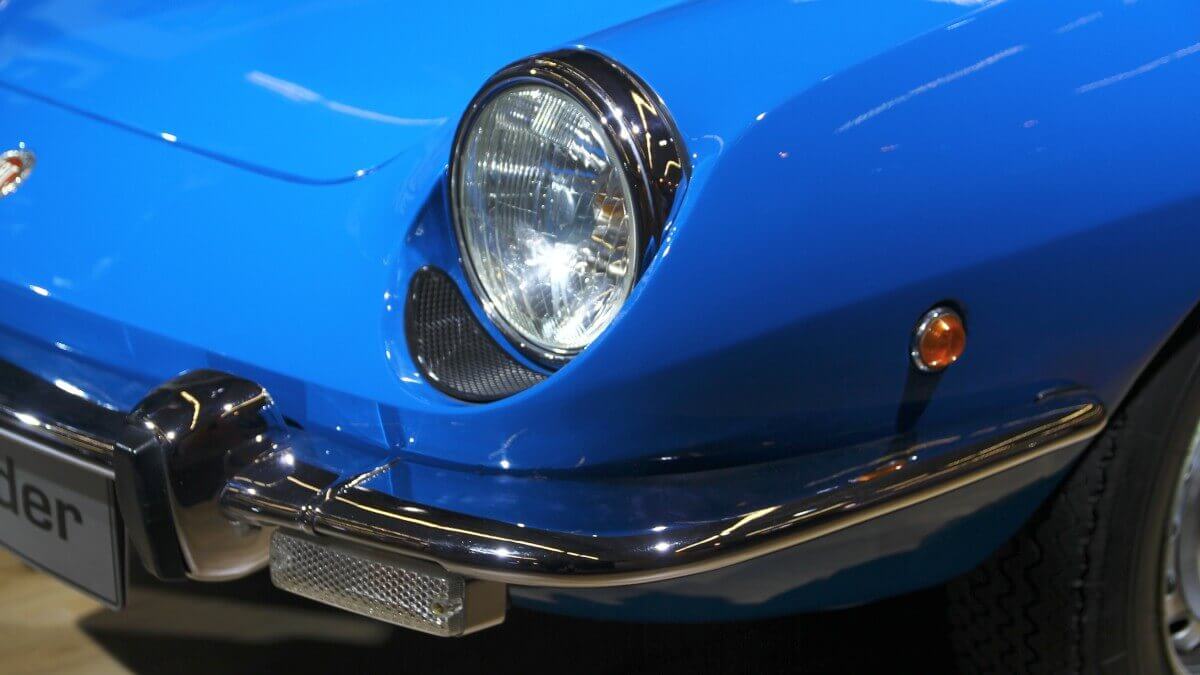


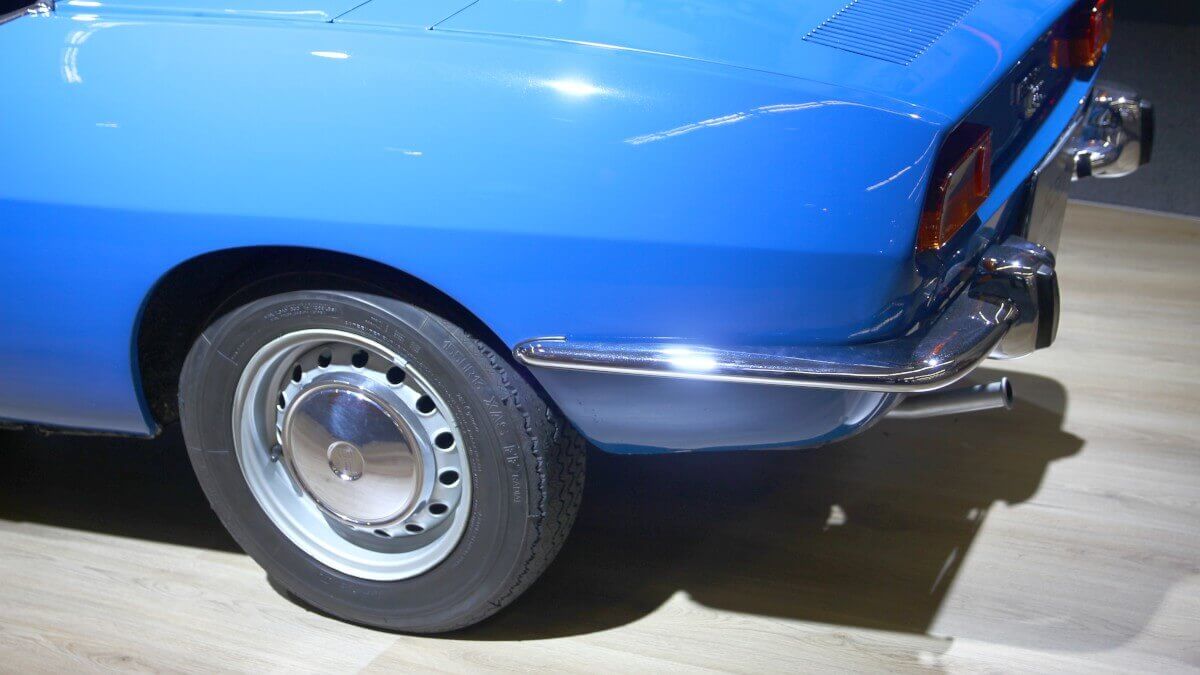
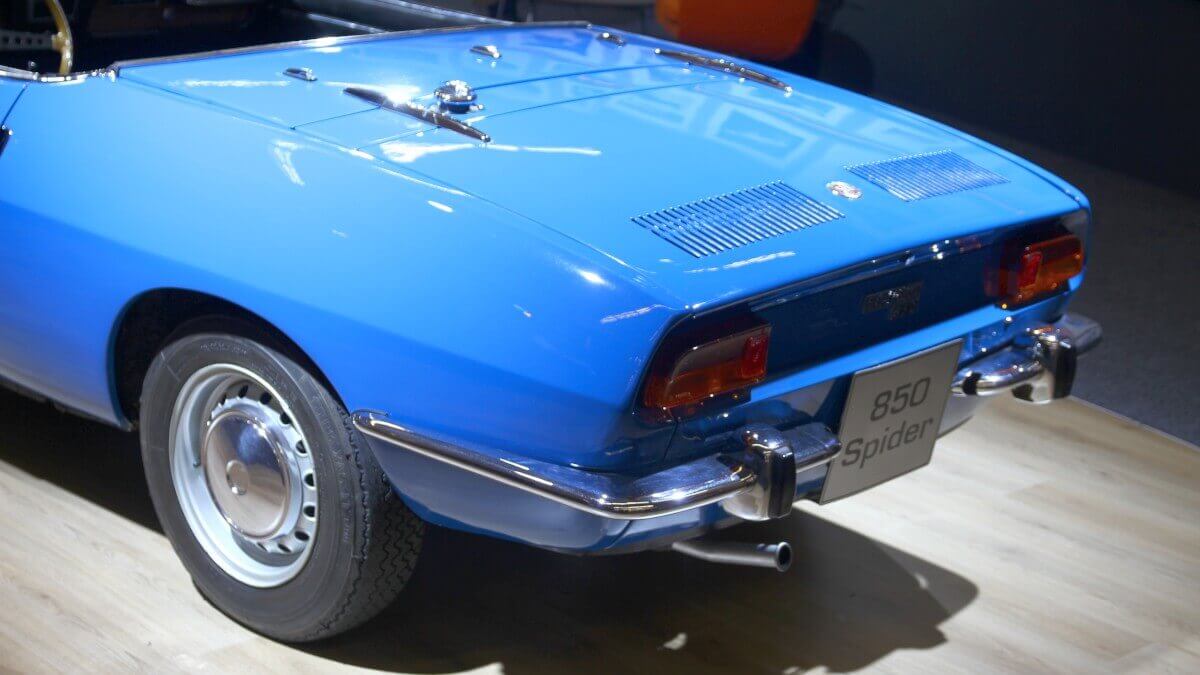


Looking at the Seat 850 Sport Spider, it’s amazing that it didn’t find more buyers in Spain back in the days. It shows nice design ideas from Bertone with round headlights and a compact tail end, can accomodate two people plus their luggage and is sufficiently motorized with its 38 kW/52 hp from 903 cubic centimeters displacement. It should’ve been a dream car for seaside promenades all around Spain. However, customers over there probably had other priorities in the late 1960s and also not necessarily the money to buy the 850 Sport Spider as their second car for the weekends.
How many copies of the only convertible model of Seat still exist today is unknown. As the high manufacturing quality and modern rust prevention hadn’t been known when the Sport Spider was in production, it has to be expected that only a small percentage has survived. For example, the stock of the Fiat 850 Sport Spider in Germany decreased to just 358 registered cars by 1 January 2018 – which is at least an increase of 11 vehicles compared to 2013 (values from KBA). Correspondingly rarely you might find one of these vehicles at classic car events – the Seat version most probably only when the ‘Coches Históricos’ department of the manufacturer is involved.
Images: Seat, Matthias Kierse